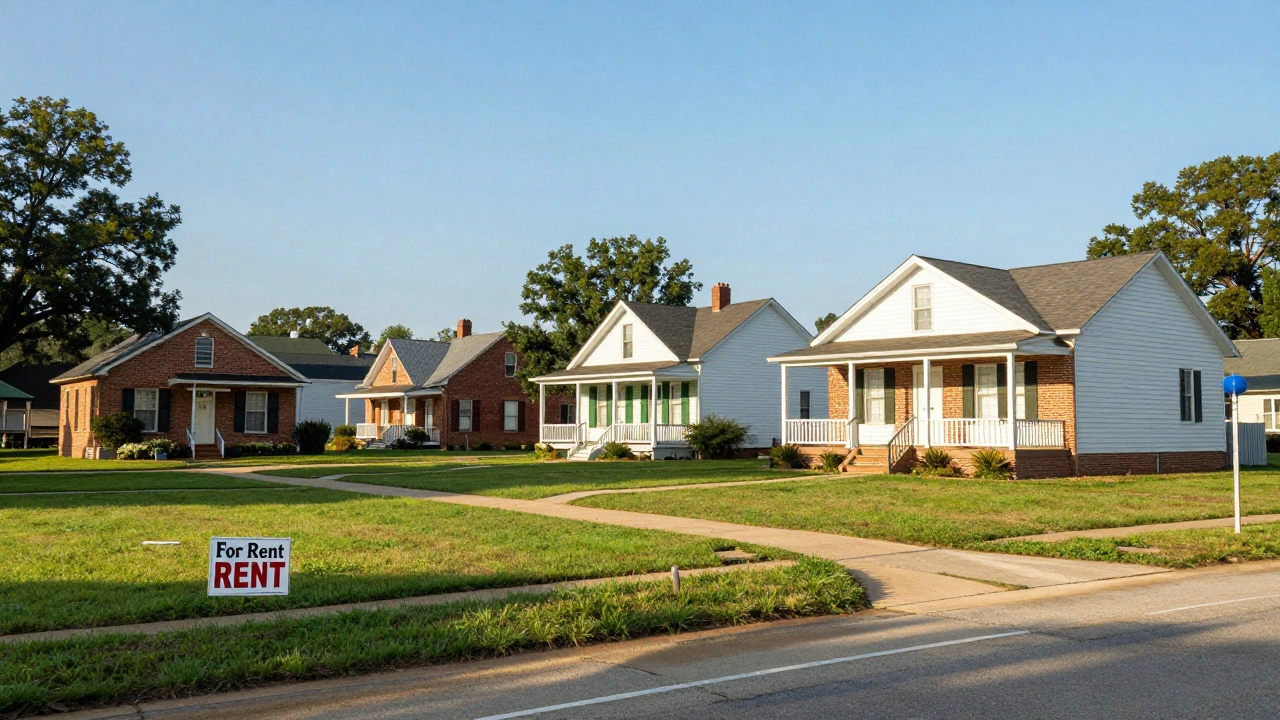
Housing Affordability Calculator (2026)
Use this tool to determine if a potential move to a low-rent state aligns with your financial goals. Financial experts recommend spending no more than 30% of your gross monthly income on rent.
You’ve probably heard that housing costs are skyrocketing. But if you’re looking for a place where your paycheck actually stretches, the answer isn’t just "move west" or "stay east." The landscape of affordable housing has shifted dramatically over the last few years. In 2026, the title of "lowest rent" doesn't belong to a single state in a vacuum; it depends on whether you're talking about absolute dollar amounts or affordability relative to income.
If we look at raw numbers, states like Mississippi, Arkansas, and West Virginia consistently offer the cheapest monthly rents in the country. However, "cheap" can be misleading if local wages are also low. This guide breaks down exactly which states offer the best value, what drives these prices, and how to find a home that fits your budget without sacrificing quality.
The Current Leaders: States with the Lowest Average Rent
When analyzing data from major real estate platforms and census bureaus for mid-2026, a clear pattern emerges. The southeastern and midwestern regions dominate the list of most affordable states. These areas have seen less speculative investment compared to coastal tech hubs, keeping inventory higher and competition lower.
| State | Average 1-Bedroom Rent | Average 3-Bedroom Rent | Key Cities |
|---|---|---|---|
| Mississippi | $750 - $850 | $950 - $1,100 | Jackson, Tupelo |
| Arkansas | $800 - $900 | $1,000 - $1,200 | Little Rock, Fayetteville |
| West Virginia | $780 - $880 | $980 - $1,150 | Charleston, Huntington |
| Oklahoma | $850 - $950 | $1,050 - $1,250 | Oklahoma City, Tulsa |
| Kansas | $900 - $1,000 | $1,100 - $1,300 | Wichita, Topeka |
Mississippi often takes the crown for the absolute lowest median rent. In cities like Jackson, you can still find decent two-bedroom apartments for under $1,000. Arkansas follows closely, particularly in smaller towns outside of Little Rock. West Virginia’s mountainous terrain limits dense urban development, which keeps supply steady and prices low in its few larger cities.
Oklahoma and Kansas represent the Midwest’s entry into this tier. Oklahoma City, in particular, has grown significantly but remains surprisingly affordable due to a strong local economy that hasn't yet driven up housing costs to national averages. Kansas offers similar stability, with Wichita providing a balance of job opportunities and low living expenses.
Affordability vs. Low Rent: Why Income Matters
Finding a $700 apartment sounds great until you realize the average local wage is $35,000 a year. This is where the concept of housing affordability ratio becomes critical. Financial experts generally recommend spending no more than 30% of your gross monthly income on rent.
In high-rent states like California or New York, salaries are often higher, which can sometimes make a $2,500 apartment feel more manageable than a $1,200 apartment in a state with stagnant wages. When evaluating "low rent," you must cross-reference it with the local median household income.
- High Rent / High Income: You pay more upfront, but your savings rate might remain stable.
- Low Rent / Low Income: Your monthly bill is small, but it consumes a larger percentage of your earnings, leaving little room for emergencies or investments.
- Low Rent / Moderate Income: This is the sweet spot. States like Tennessee and North Carolina are emerging here because they attract remote workers and new businesses while keeping housing costs relatively low.
For example, while Mississippi has lower rents than Texas, Texas often offers higher earning potential in sectors like energy and technology. Therefore, a move to Texas might result in greater financial flexibility despite higher nominal rents.

The Rise of Remote Work and Its Impact on Rural Rents
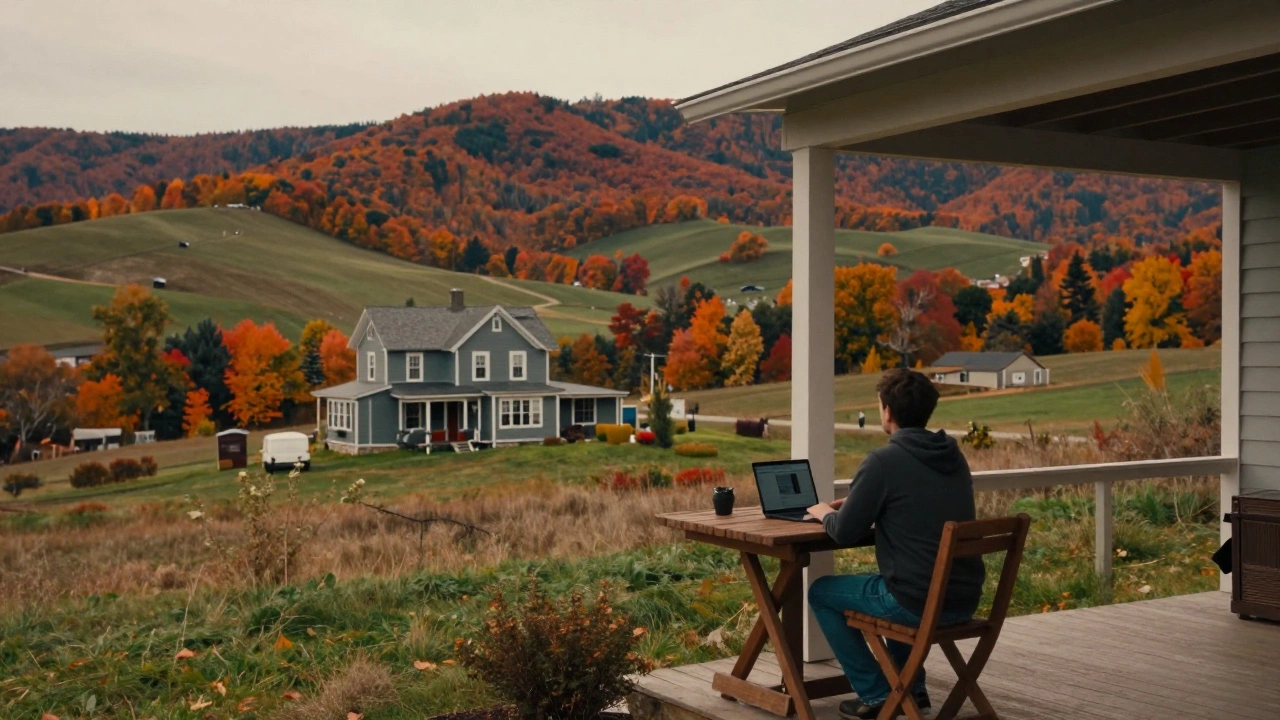
The shift to remote work, solidified by 2026 norms, has decoupled housing location from employment location. This has created a new category of "affordable": rural areas in traditionally expensive states.
You don’t necessarily need to move to the South to find cheap rent. Small towns in Idaho, Montana, or even upstate New York now offer significantly lower rates than their metropolitan counterparts. If you work remotely for a company based in San Francisco or New York, you can leverage that salary to secure luxury housing in places where the average rent is half the national median.
This trend has led to a slight increase in rents in scenic rural areas-often called "Zoom towns"-but they remain far cheaper than major cities. For instance, renting a farmhouse in rural Pennsylvania might cost $1,200, whereas a studio in Philadelphia could run $1,800. The trade-off is commute time versus lifestyle, but for remote workers, the commute is zero.
Hidden Costs of Living in Low-Rent States
Before packing your bags for the cheapest zip code, consider the total cost of living. Rent is only one line item. Other factors include property taxes, insurance, utilities, and transportation.
- Insurance Rates: Some low-rent states have higher homeowners or renters insurance premiums due to weather risks (like tornadoes in Oklahoma or hurricanes in the Gulf Coast).
- Property Taxes: While some southern states have low income tax, they may offset this with higher sales or property taxes. Always check the local tax burden.
- Healthcare Access: Rural areas with low rents may lack specialized medical facilities. If you have chronic health conditions, proximity to quality care should outweigh a $200 monthly rent saving.
- Transportation: Public transit is scarce in many low-rent states. You will likely need a car, adding fuel, maintenance, and insurance costs to your monthly budget.
For example, moving to a rural part of West Virginia saves money on rent, but if you need to drive 40 miles to the nearest grocery store or hospital, those gas and wear-and-tear costs add up quickly.
How to Find the Best Deal in Your Target State
Once you’ve identified a state or region, the search strategy matters. National listing sites often skew toward higher-priced markets. To find true bargains, use localized methods.
First, look beyond major metros. In states like Arkansas or Mississippi, the price difference between the capital city and surrounding counties can be significant. Second, consider older neighborhoods undergoing revitalization. These areas often have lower rents but higher appreciation potential.
Also, talk to locals. Join Facebook community groups or Nextdoor pages for specific towns. Many landlords in smaller markets prefer word-of-mouth referrals over online applications, allowing you to negotiate terms directly. Don’t hesitate to ask for a discount if you sign a longer lease or pay several months upfront.
Future Trends: Will Low Rents Stay Low?
Real estate markets are cyclical. States that are currently affordable may see increases as migration patterns continue. The Great Migration to the Sun Belt has slowed slightly in 2026 due to rising insurance costs in Florida and Texas, pushing demand back toward the Midwest and Southeast.
Experts predict that states with strong manufacturing bases and diverse economies-like Ohio, Indiana, and Michigan-will maintain stable, affordable rents. Conversely, popular vacation destinations that have become residential hubs may experience volatility. Keep an eye on interest rates and construction starts; new supply usually caps rent growth.
Which state has the absolute lowest rent in 2026?
Mississippi typically has the lowest average rent in the United States, with many one-bedroom apartments available for under $800 per month. Arkansas and West Virginia follow closely behind.
Is it better to live in a low-rent state or a high-income state?
It depends on your career field. If you work in tech or finance, a high-income state may allow you to save more despite higher rents. If you work in retail, healthcare, or education, a low-rent state with moderate wages often provides a better quality of life and higher disposable income.
Are there any hidden costs to living in cheap states?
Yes. Common hidden costs include higher vehicle maintenance due to lack of public transit, potentially higher insurance premiums for natural disasters, and limited access to specialized healthcare or entertainment options.
Can I find affordable housing in California or New York?
Yes, but not in major cities like Los Angeles or NYC. Rural areas in Northern California or Upstate New York offer significantly lower rents. Additionally, secondary cities like Fresno or Buffalo are much more affordable than their state capitals.
How does remote work affect rental prices?
Remote work has increased demand in rural and suburban areas, causing rents to rise slightly in previously overlooked towns. However, these areas remain far cheaper than urban centers, offering a high standard of living for those with city-level salaries.