Villa vs Mansion Classifier
Classify Your Property
Enter key details to see if this property qualifies as a villa or mansion based on industry standards.
Classification Result
Enter property details to see classification
Square Footage:
Land Size:
Key Features:
When you're looking at luxury homes for sale, you've probably seen the terms villa and mansion used interchangeably. But they're not the same thing. One isn't just a fancier version of the other-they're built for different reasons, with different rules, and in different parts of the world. So which is actually bigger? Let’s cut through the marketing noise and find out.
What Is a Villa, Really?
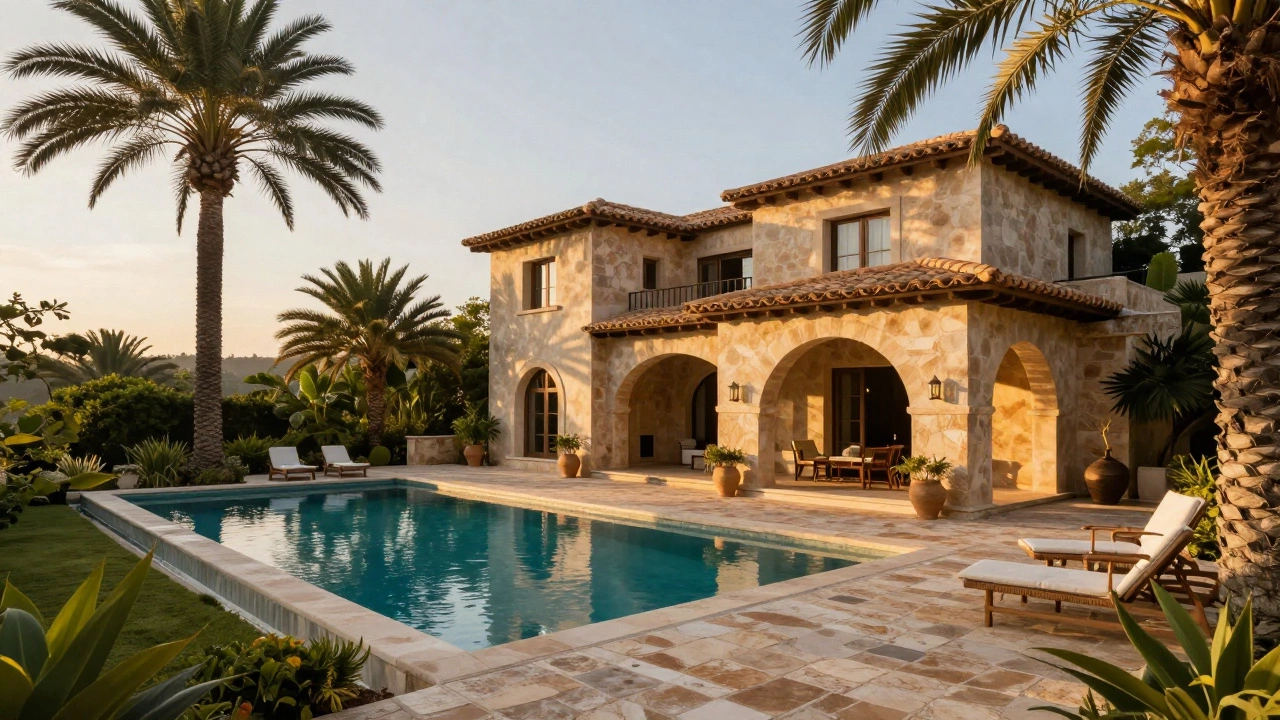
A villa isn’t just a big house with a pool. Historically, villas started as country estates in ancient Rome-places where wealthy families escaped the city for fresh air, gardens, and space. Today, that legacy lives on. A modern villa typically includes:
- Land: Usually 1 to 5 acres, often with private landscaping
- Layout: Single-story or two-story, designed for indoor-outdoor living
- Features: Private pool, outdoor dining, guest quarters, sometimes a courtyard
- Location: Common in Mediterranean, tropical, or suburban luxury zones
In places like Florida, Italy, or Bali, a villa is often a standalone home with a strong connection to nature. It’s not about square footage alone-it’s about how the space flows between inside and outside. A typical villa ranges from 3,000 to 8,000 square feet. Some luxury villas hit 10,000, but that’s rare.
What Makes a Mansion a Mansion?
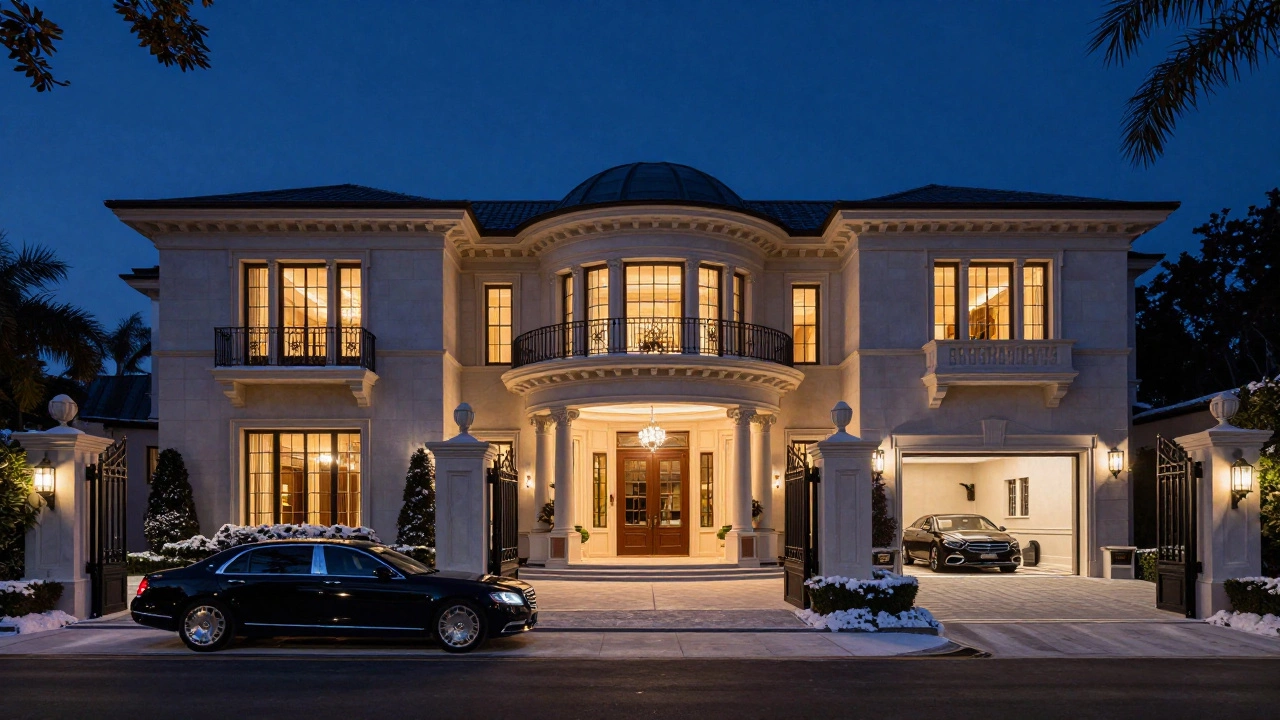
A mansion is defined by scale, not style. Real estate professionals and appraisers use a clear threshold: anything over 8,000 square feet is considered a mansion. That’s not a suggestion-it’s a standard used by the National Association of Realtors and major appraisal firms.
Here’s what you’ll find in most mansions:
- Minimum size: 8,000 square feet, often 12,000-20,000+
- Rooms: 6+ bedrooms, 8+ bathrooms, formal dining, library, home theater, gym, wine cellar
- Staff areas: Separate quarters for housekeepers, chefs, or security
- Land: Usually 1-10 acres, but sometimes much more
- Location: Urban enclaves like Beverly Hills, Palm Beach, or London’s Kensington
Mansions are designed for status and function. They’re not just big-they’re engineered for hosting, privacy, and control. Think elevators, climate-controlled art rooms, and underground garages for 10+ cars. The average mansion has more square footage than a small elementary school.
Size Comparison: Villa vs Mansion
Let’s get concrete. Here’s a real-world comparison based on current listings in top luxury markets as of 2026:
| Feature | Villa | Mansion |
|---|---|---|
| Average Size | 3,000-8,000 sq ft | 8,000-20,000+ sq ft |
| Minimum Size for Classification | Not defined | 8,000 sq ft |
| Typical Bedrooms | 3-5 | 6-12+ |
| Typical Bathrooms | 3-6 | 7-15+ |
| Land Size | 1-5 acres | 1-10+ acres |
| Common Features | Pool, garden, outdoor kitchen | Home theater, elevator, wine cellar, staff quarters |
| Primary Location | Tropical, coastal, countryside | Urban luxury districts |
So yes-on average, a mansion is significantly bigger. But there’s overlap. A 9,000-square-foot villa in Tuscany might technically meet the mansion size threshold, but it still wouldn’t be called a mansion. Why? Because it lacks the internal structure: no elevator, no staff wing, no ballroom. It’s still a villa in spirit.
It’s Not Just About Size-It’s About Intent
Here’s the key insight most people miss: a villa is designed for living. A mansion is designed for showing off.
Villas prioritize comfort, privacy, and connection to nature. You’ll find open terraces, shaded courtyards, and outdoor showers. The layout encourages family time, not entertaining crowds. Many villas are rented out for weeks at a time to vacationers who want space without formality.
Mansions, on the other hand, are built for events. Think grand staircases for entrances, ballrooms for 200 guests, and security systems that rival private banks. They’re often owned by CEOs, celebrities, or heirs to fortunes. The goal isn’t just comfort-it’s legacy.
In Miami Beach, a 7,500-square-foot villa might cost $12 million. A 15,000-square-foot mansion on the same street? $45 million. The difference isn’t just square footage-it’s the number of rooms, the quality of materials, and the level of automation.
Regional Differences Matter
Don’t assume these definitions are universal. In Europe, especially France and Italy, "villa" can mean a historic estate with centuries of history-even if it’s only 5,000 square feet. In the U.S., "mansion" is strictly a size-based term.
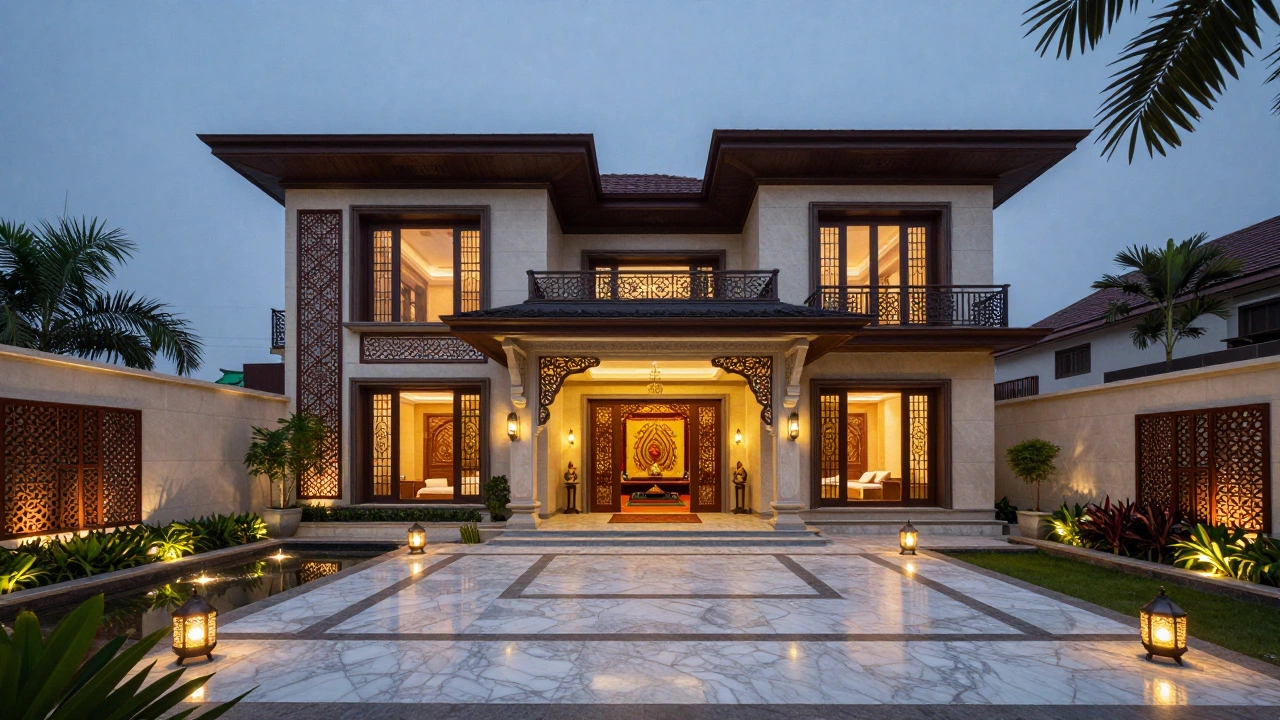
In India, a "villa" might be a 10,000-square-foot gated home with a temple and staff quarters. In Dubai, a villa can have a private cinema, indoor pool, and helipad. Meanwhile, in the U.S. Midwest, a mansion might be a 12,000-square-foot brick home with 10 bedrooms and a bowling alley-no pool required.
So if you’re comparing properties internationally, don’t rely on labels. Look at the floor plan. Count the rooms. Check the land size. Ask: "Does this have a staff entrance?" If yes, it’s likely a mansion.
What Should You Look For?
If you’re shopping for a luxury home, here’s how to cut through the hype:
- Check the square footage-not the marketing name
- Count the bedrooms and bathrooms
- Look for staff quarters or service elevators
- Ask if there’s a separate garage for more than 6 cars
- Review the land size and privacy buffers
A 7,000-square-foot home with a 2-acre lot and no guest house? That’s a large villa. A 9,000-square-foot home with a dedicated chef’s kitchen, wine cellar, and private security entrance? That’s a mansion, no matter what the listing says.
Final Answer: Which Is Bigger?
By definition, a mansion is bigger. It has to be-at least 8,000 square feet. Most villas fall below that mark. But size isn’t everything. A villa can feel more spacious because of its open design. A mansion can feel cold because it’s built for show, not comfort.
Choose based on how you live, not how you want to be seen. If you want to host parties, hire staff, and have room for a home gym, library, and movie theater-go mansion. If you want to relax by the pool, cook with friends, and enjoy quiet mornings with views-go villa.
There’s no winner here. Just two very different ways to live in luxury.
Is a villa always bigger than a house?
No. A villa is typically larger than a standard single-family home, which averages 2,300 square feet in the U.S. But a villa is not always bigger than a mansion. Most villas range from 3,000 to 8,000 square feet, while mansions start at 8,000 and often exceed 15,000. So while a villa is bigger than an average house, it’s usually smaller than a mansion.
Can a mansion be a villa?
Technically, yes-but only if it meets the size threshold and has the architectural character of a villa. For example, a 12,000-square-foot home in the south of France with a courtyard, terraces, and Mediterranean design might be called a "mansion-villa." But in the U.S., it would just be called a mansion. The term "villa" is more about style and location than size.
Do all villas have pools?
Most luxury villas do, especially in resort areas like the Caribbean, Bali, or Florida. But not all. In colder climates or urban luxury zones, a villa might prioritize gardens, patios, or indoor spas instead. A pool is common, but not required by definition.
Are mansions always in cities?
No. While many mansions are in urban luxury districts like Beverly Hills or London’s Mayfair, others sit on large rural estates-think horse farms in Kentucky or wooded estates in upstate New York. The key isn’t location-it’s size and features. A 15,000-square-foot home on 50 acres is still a mansion.
Why do real estate agents call big houses "villas"?
It’s often marketing. "Villa" sounds more exotic, relaxed, and vacation-ready. "Mansion" feels cold and intimidating. Agents use "villa" to make large homes seem more appealing for lifestyle buyers, especially those from Europe or tropical regions. Always check the square footage and floor plan before assuming what you’re seeing.