Recession-Proof Investment Analyzer
Select a commercial real estate asset type to analyze its resilience, demand drivers, and risk level during a recession.
Asset Analysis
Select an asset to see the analysis.
- Prioritize "essential" services over discretionary spending assets.
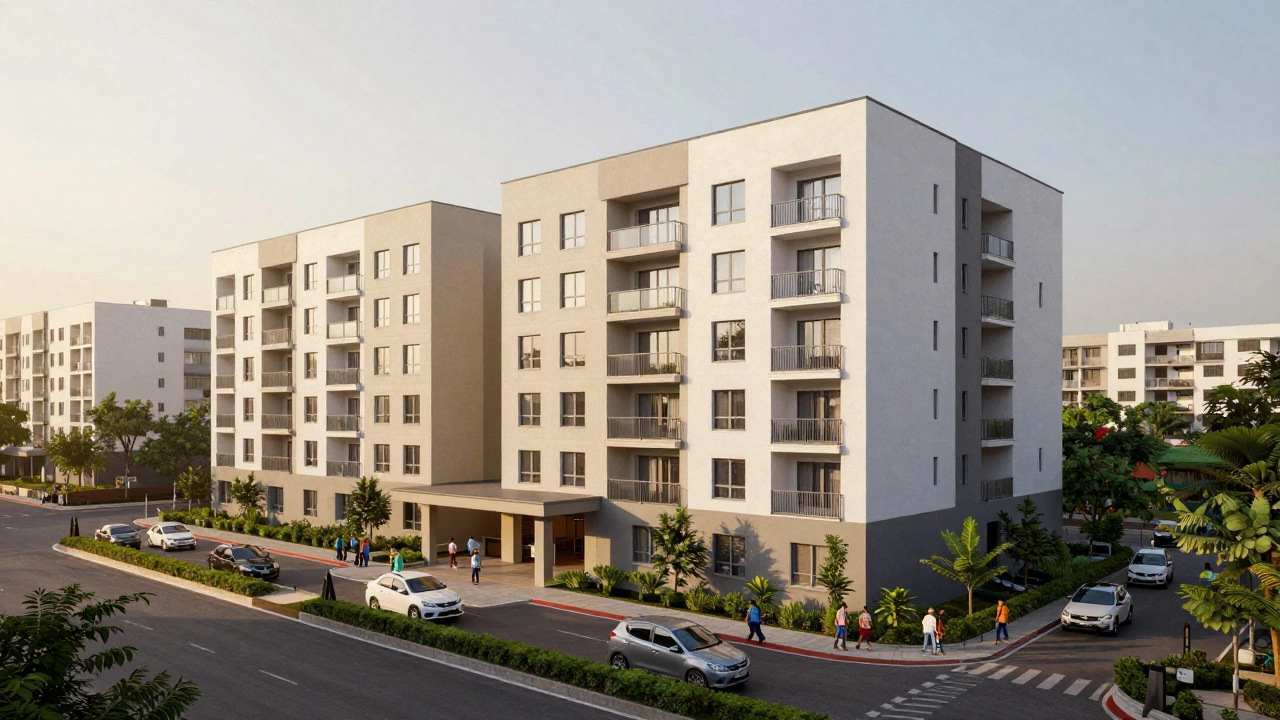
- Multifamily housing stays strong because people always need a place to live.
- Industrial spaces, especially logistics, benefit from the shift to e-commerce.
- Medical offices are shielded by the consistent demand for healthcare.
- Triple Net Leases shift the risk of rising costs to the tenant.
The Safety Net of Multifamily Housing
When the stock market crashes or corporate layoffs hit, people might stop buying new cars or fancy watches, but they still need a roof over their heads. This makes Multifamily Housing is a residential property type consisting of multiple housing units, such as apartment complexes or duplexes, under one ownership one of the most resilient assets in any portfolio. During a recession, we often see a "rental surge." This happens because homeowners who can't afford their mortgages move into rentals, and young professionals delay buying their first home. Think about the 2008 financial crisis. While luxury condos sat empty, mid-range apartment complexes in stable neighborhoods maintained high occupancy rates. If you focus on "Class B" or "Class C" properties-the ones that are clean and functional but not opulent-you capture the bulk of the market that is downsizing. The key is to avoid the ultra-luxury tier, where tenants have the most volatility in their income.Industrial Real Estate and the E-commerce Backbone
If you want an asset that actually grows while the retail sector struggles, look at Industrial Real Estate is land and buildings used for the production, storage, and distribution of goods, including warehouses and cold storage . We've moved away from a world where every town needs a massive shopping mall to a world where every town needs a distribution center. Recessions often accelerate the shift toward online shopping because consumers hunt for better deals online. This puts immense pressure on the "last mile" of delivery. Cold storage facilities are particularly strong here because food is a non-negotiable expense. Whether the economy is booming or busting, people still need frozen vegetables and medicine delivered. When you own the warehouse that stores these goods, you aren't betting on the luxury market; you're betting on the logistics of survival.Medical Offices: The Ultimate Essential Service
Healthcare doesn't follow the business cycle. You don't stop going to the doctor just because the GDP is shrinking. This is why Medical Office Buildings (MOBs) are highly prized during downturns. These properties typically feature specialized build-outs-like exam rooms and heavy-duty plumbing-which make it expensive for a tenant to move. Once a medical practice settles into a space, they tend to stay for decades. This creates an incredibly low vacancy risk. Furthermore, the aging population in developed nations ensures a steady stream of patients, regardless of the interest rate. If you're comparing a retail strip mall to a medical clinic, the clinic wins every time during a recession because its revenue is driven by biological needs, not consumer confidence.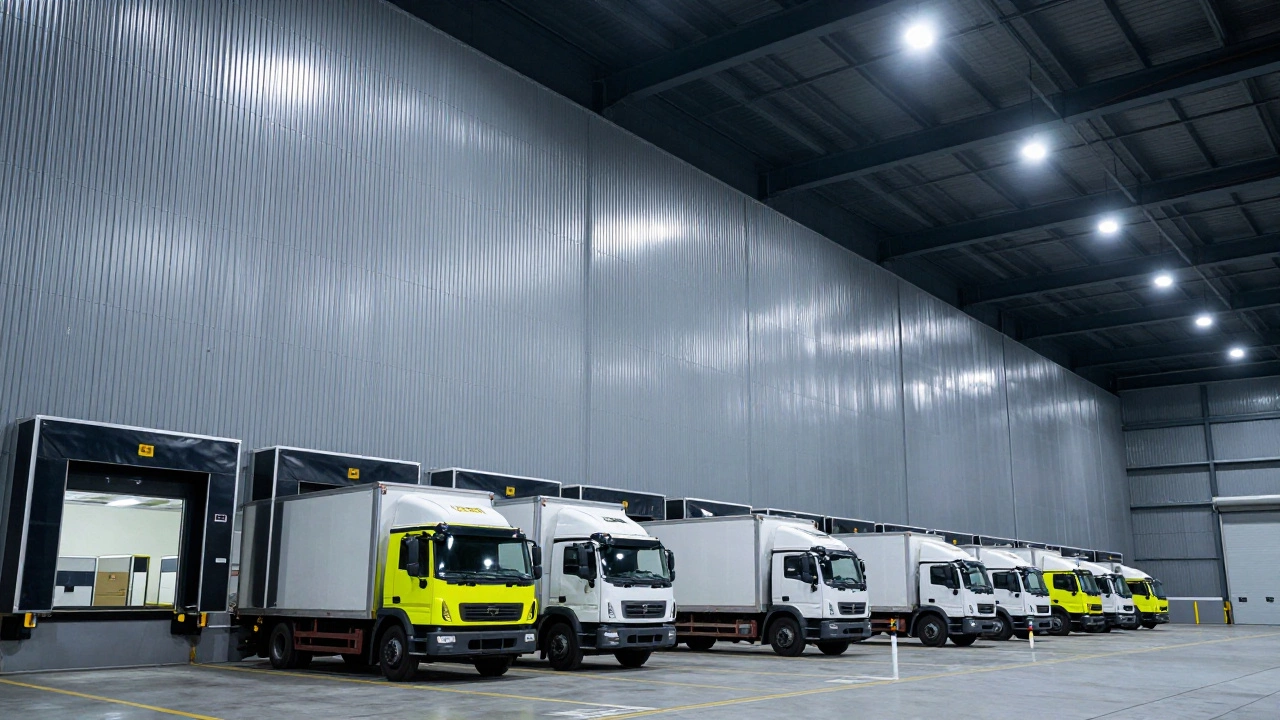
Understanding the Power of the Triple Net Lease
It's not just *what* you own, but *how* you lease it. In a standard lease, the landlord pays for taxes, insurance, and maintenance. In a recession, these costs can spike while your income stays flat, eating your profit. To avoid this, look for properties with a Triple Net Lease (NNN) is a lease agreement where the tenant agrees to pay all operating expenses, including real estate taxes, building insurance, and maintenance costs . With an NNN lease, the tenant handles everything. This turns the property into a passive income stream with almost no overhead. This is common in pharmacy stores or dollar stores. Why dollar stores? Because they are counter-cyclical; they actually do *better* when people have less money. Pairing a recession-proof tenant (like a discount retailer) with a recession-proof lease structure (NNN) is the gold standard for risk mitigation.| Asset Type | Demand Driver | Risk Level | Recession Performance |
|---|---|---|---|
| Multifamily | Basic Shelter | Low to Medium | Strong (Increased Demand) |
| Industrial/Logistics | E-commerce/Shipping | Low | Very Strong |
| Medical Office | Healthcare Needs | Very Low | Stable |
| Retail (Luxury) | Disposable Income | High | Poor |
| Office (Corporate) | Employment/White Collar | Medium to High | Volatile |
The Danger Zone: What to Avoid
To know what to buy, you have to know what to run away from. Traditional Office Space is currently in a precarious spot, even outside of a recession, due to the rise of remote work. During a downturn, companies slash their footprints to save on rent. Investing in a massive corporate high-rise right now is a gamble on a lifestyle that is disappearing. Similarly, avoid highly specialized retail. A boutique high-end clothing store depends entirely on the "feeling" of wealth. When the market dips, that feeling vanishes instantly. If you must invest in retail, stick to "necessity retail"-think grocery-anchored centers or pharmacies. If the anchor tenant is a supermarket, the smaller shops around it will still get foot traffic because people still need to buy milk and eggs.
Strategic Timing and Acquisition
Buying during a recession requires a different mindset than buying in a bull market. You aren't looking for the fastest growth; you're looking for the most durable cash flow. This is the time to focus on Cap Rate is the ratio of net operating income to the property asset value, used to estimate the investor's potential return on investment . In a recession, you can often negotiate lower purchase prices, which effectively raises your cap rate and increases your long-term yield. Don't be afraid of a bit of vacancy if the asset class is strong. If you find a multifamily building with 10% vacancy during a crash, that's actually an opportunity to renovate slightly and raise rents as the market recovers. The goal is to acquire assets that are fundamentally sound but temporarily undervalued due to market fear.Is industrial real estate better than residential during a recession?
It depends on your goals. Residential (multifamily) is more stable because shelter is a primary need. Industrial is often more profitable and scalable because of the e-commerce boom. If you want maximum safety, go residential; if you want a hedge against the decline of traditional retail, go industrial.
Why are medical offices considered safe?
Medical services are non-discretionary. Patients do not cancel chronic care or emergency visits because the economy is bad. Additionally, the high cost of specializing medical spaces means doctors rarely move, leading to very long lease terms and low vacancy rates.
What is a "counter-cyclical" tenant?
A counter-cyclical tenant is a business that performs better when the economy is doing poorly. Examples include discount stores like Dollar General or thrift shops. These businesses attract more customers when people are cutting budgets, making them ideal tenants for a recession-proof portfolio.
Should I avoid all retail properties in a recession?
Not all of them. You should avoid luxury and discretionary retail. However, "necessity retail"-grocery stores, pharmacies, and hardware stores-remains strong because they provide essential goods that people cannot live without.
How does a Triple Net Lease protect the landlord?
In a Triple Net (NNN) lease, the tenant pays for the property taxes, insurance, and maintenance. This protects the landlord from inflation or unexpected spikes in operating costs, ensuring the monthly rent check remains a predictable profit margin.