Villa Lifestyle Compatibility Quiz
Discover if the freedom, privacy, and responsibility of villa living match your current life stage. Answer these questions honestly to see your compatibility score.
Your Villa Compatibility Score
You’ve seen them in movies. You’ve scrolled past their photos on Instagram while doom-scrolling at 2 AM. Villas represent something more than just square footage; they are a tangible symbol of freedom, privacy, and status. But why does this specific type of housing captivate so many people? It’s not just about the price tag or the marble floors. There is a deep psychological pull toward the villa lifestyle that separates it from living in a sleek city apartment or a suburban semi-detached house.
If you are considering buying a villa, or simply curious about why these properties command such attention in the real estate market, you need to understand the core drivers behind the desire. It’s rarely just about having a bigger kitchen. It’s about control over your environment, the ability to host without apology, and the quiet luxury of space. Let’s break down exactly what makes villas so appealing to buyers today.
The Ultimate Privacy and Autonomy
In an era where we are constantly connected, true privacy has become the ultimate luxury. Most residential developments, especially apartments, force you into close proximity with neighbors. You hear footsteps above you. You share walls. You wait for elevators. A villa, by definition, offers detachment. Whether it is a standalone detached villa or a cluster home with generous setbacks, the physical separation creates a buffer zone that feels rare in modern urban planning.
This autonomy extends beyond noise. When you own a villa, you aren’t subject to the whims of a homeowners’ association (HOA) regarding every minor renovation detail. Want to paint your front door bright yellow? In many villa communities, you can. Want to install a solar panel system or change the landscaping to native drought-resistant plants? You have the agency to do so. This sense of ownership over your immediate environment reduces friction in daily life. You stop negotiating with neighbors about parking spots or shared garden maintenance. The result is a mental load that is significantly lighter than what many multi-unit dwellers experience.
Indoor-Outdoor Living Redefined
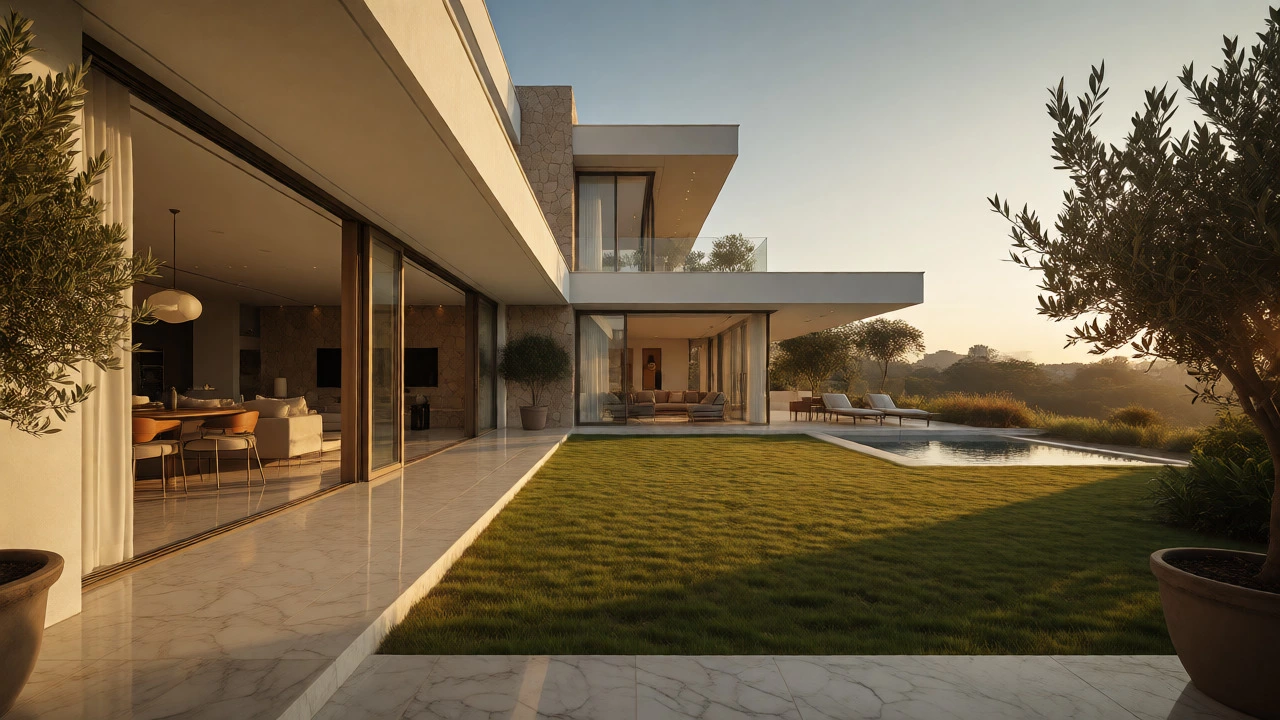
One of the most compelling reasons people gravitate toward villas is the seamless integration of indoor and outdoor spaces. Architects design villas to blur the lines between the interior living area and the exterior grounds. Large sliding glass doors, covered terraces, and open-plan layouts allow air and light to flow freely. This isn’t just an aesthetic choice; it impacts well-being. Studies in environmental psychology suggest that access to natural light and greenery lowers cortisol levels and improves mood.
Think about the difference between stepping onto a small balcony versus walking out onto a private lawn. A balcony might hold two chairs and a plant. A villa garden holds a dining table for ten, a barbecue station, a swing set for kids, and perhaps a plunge pool. This extension of living space effectively doubles the usable area of the home without increasing the indoor footprint. For families, this means children can play outside safely within sightlines from the kitchen. For adults, it provides a sanctuary for yoga, gardening, or simply reading in the sun. The villa transforms the outdoors from a view into a functional part of the home.
Social Status and Hosting Capabilities
Let’s be honest: there is a social component to villa ownership. Hosting a dinner party in a cramped apartment requires logistical gymnastics. You move furniture, borrow chairs, and worry about noise complaints. In a villa, hosting becomes effortless. You have dedicated spaces for different activities-a formal dining room, a casual lounge, an outdoor patio, and often a separate guest suite.
This capacity to entertain comfortably reinforces social bonds. You can invite extended family for a weekend stay without everyone sleeping on sofas. You can host corporate retreats or community gatherings in a setting that feels professional yet personal. The architecture itself signals hospitality. Wide entryways, grand staircases, and expansive kitchens invite interaction rather than restricting it. For many professionals, the villa serves as a backdrop for their social identity, allowing them to curate experiences that align with their values of generosity and connection.

Architectural Freedom and Personalization
Standardized apartments offer limited customization. You can paint the walls, maybe swap out cabinet handles, but the structural skeleton remains fixed. Villas, particularly those available for sale in developing markets, often come with options for significant customization during the construction phase. Buyers can choose floor plans, select premium finishes, and even alter room dimensions.
This level of personalization allows owners to tailor the home to their specific lifestyle needs. If you work from home, you can designate a soundproofed office wing. If you love cooking, you can opt for a chef-grade kitchen with a walk-in pantry. If fitness is a priority, you might carve out space for a home gym or a sauna. The villa becomes a bespoke product rather than a commodity. This emotional investment-knowing the home was shaped around your habits-creates a deeper attachment to the property than one typically feels with a mass-produced unit.
Investment Potential and Asset Value
Beyond the lifestyle perks, villas often present a distinct investment profile compared to apartments. While apartments benefit from density and location convenience, villas benefit from land value. Land is a finite resource. As cities expand, the scarcity of large plots drives up the value of properties that sit on substantial acreage. Even if the building depreciates, the land appreciates.
Furthermore, villas tend to have lower turnover rates. Owners who invest in customizing their homes are less likely to sell frequently. This stability can lead to stronger long-term capital appreciation. In prime locations, such as coastal areas in Spain or gated communities in Florida, villas maintain their desirability across economic cycles because the demand for exclusive, spacious living rarely dries up. Investors also note that rental yields for high-end villas can be lucrative, particularly in tourist-heavy regions where short-term luxury rentals command premium nightly rates.

Comparison: Villa vs. Apartment Lifestyle
To clarify the distinctions, here is a breakdown of key attributes. Note that these are generalizations; exceptions exist based on location and development quality.
| Feature | Villa | Apartment |
|---|---|---|
| Privacy Level | High (standalone or buffered) | Moderate to Low (shared walls/ceilings) |
| Outdoor Space | Private garden/pool (large) | Balcony/terrace (limited) |
| Maintenance Responsibility | Owner-managed (higher effort/cost) | Shared via HOA fees (lower effort) |
| Customization | Extensive (structural changes possible) | Limited (cosmetic changes only) |
| Community Feel | Exclusive, smaller network | Dense, diverse, convenient |
The Hidden Costs of the Dream
It would be dishonest to discuss the appeal of villas without addressing the trade-offs. The very features that make them desirable-space, privacy, customization-come with responsibilities. Maintenance is the biggest factor. A garden needs mowing, a pool needs chemicals and cleaning, and a larger roof needs more frequent inspection. Unlike apartment residents who pay a monthly fee for someone else to handle these tasks, villa owners must budget time and money for upkeep.
Additionally, villas are often located further from city centers, requiring reliance on cars. This adds commuting time and transportation costs. Security is another consideration; while many villas are in gated communities, a standalone property requires robust security systems to protect against intrusion. Understanding these practicalities helps prospective buyers decide if the lifestyle fit is worth the operational burden.
Who Should Buy a Villa?
Villas are not for everyone. They suit individuals or families who prioritize space and privacy over convenience. They are ideal for those who enjoy hosting, working from home, or raising children in a controlled environment. Conversely, young professionals who crave nightlife, minimal maintenance, and walkable amenities might find apartments more aligned with their current stage of life.
Consider your daily routine. Do you spend weekends indoors watching TV, or do you prefer grilling outside? Do you value silence over accessibility? Your answers will determine if the villa lifestyle truly resonates with you, beyond the initial allure of luxury marketing.
Are villas always more expensive than apartments?
Generally, yes, due to larger land plots and construction costs. However, per square foot, some high-end apartments in city centers can exceed the price of suburban villas. Total cost includes higher utility bills and maintenance expenses for villas.
Do villas appreciate faster than apartments?
Land value drives villa appreciation, which tends to be stable and strong over long periods. Apartments rely more on building condition and location trends. In land-scarce markets, villas often see steady capital growth.
Is maintaining a villa difficult?
It requires more effort than an apartment. You manage landscaping, pool care, and exterior repairs. Many owners hire services, but coordinating them takes time. Budget 1-2% of the property value annually for maintenance.
Can I rent out my villa?
Yes, villas are popular for short-term luxury rentals and long-term leases for expatriates or executives. Rental income can offset costs, but management is more complex than renting an apartment due to larger size and amenities.
What is the main drawback of villa living?
Distance from urban conveniences and higher ongoing costs. You may face longer commutes and need to drive for basic errands unless the villa is in a mixed-use development.