
UK Mortgage Affordability & Market Impact Calculator
Adjust Your Parameters
Your Buying Power
Market Context: At 5.5%, high borrowing costs significantly reduce purchasing power compared to the post-pandemic boom. This compression is a primary driver of current price corrections in many UK regions.
Seeing the estimated value of your home dip on a valuation website can feel like a punch to the gut. You did everything right: you kept the garden tidy, painted the walls neutral colors, and maybe even installed new kitchen counters. So why does the number keep dropping? It is frustrating, but it is rarely because you did something wrong with the property itself.
In the United Kingdom during early 2026, many homeowners are watching their equity shrink. The UK housing market has shifted significantly since the post-pandemic boom. If your valuation has gone down, it is likely due to a combination of macroeconomic factors, interest rate adjustments, and local supply dynamics rather than a flaw in your specific house. Let's break down exactly what is happening to your wallet and your property value.
The Interest Rate Effect on Property Prices
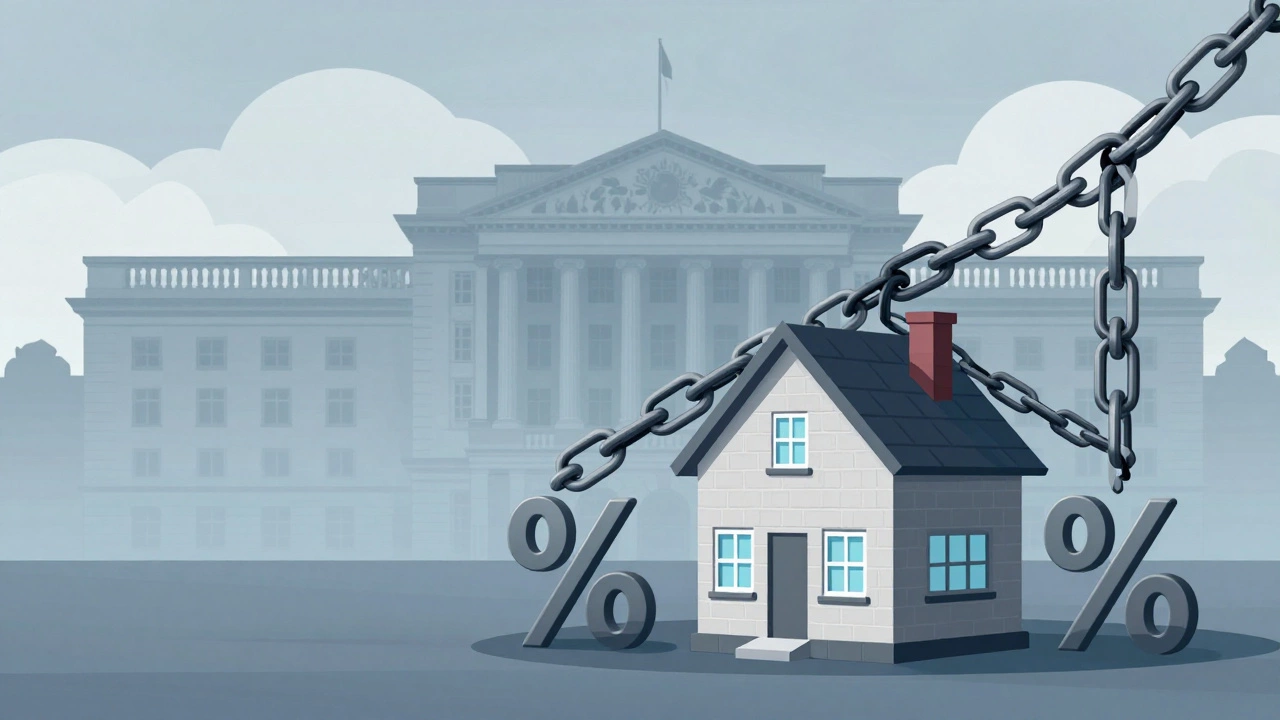
The biggest driver of falling home values in recent years has been the cost of borrowing. For several years after 2020, mortgage rates were historically low. Buyers could borrow large sums for cheap, which drove prices up. In 2023 and 2024, the Bank of England raised base rates to combat inflation. By 2025, these higher rates had fully filtered through to consumer mortgages.
When monthly mortgage payments rise, buyers have less purchasing power. A buyer who could afford a £300,000 house when rates were at 2% might only afford a £240,000 house when rates sit near 5%. Sellers eventually have to lower their asking prices to match this new reality. Your home’s value is not fixed; it is defined by what the highest willing buyer can pay. When borrowing costs go up, that ceiling drops.
| Average Interest Rate | Max Affordable Price (Example) | Market Sentiment |
|---|---|---|
| 2.5% | £350,000 | High demand, bidding wars |
| 4.0% | £280,000 | Stable, balanced market |
| 5.5% | £230,000 | Low demand, price corrections |
Oversupply in Your Local Area
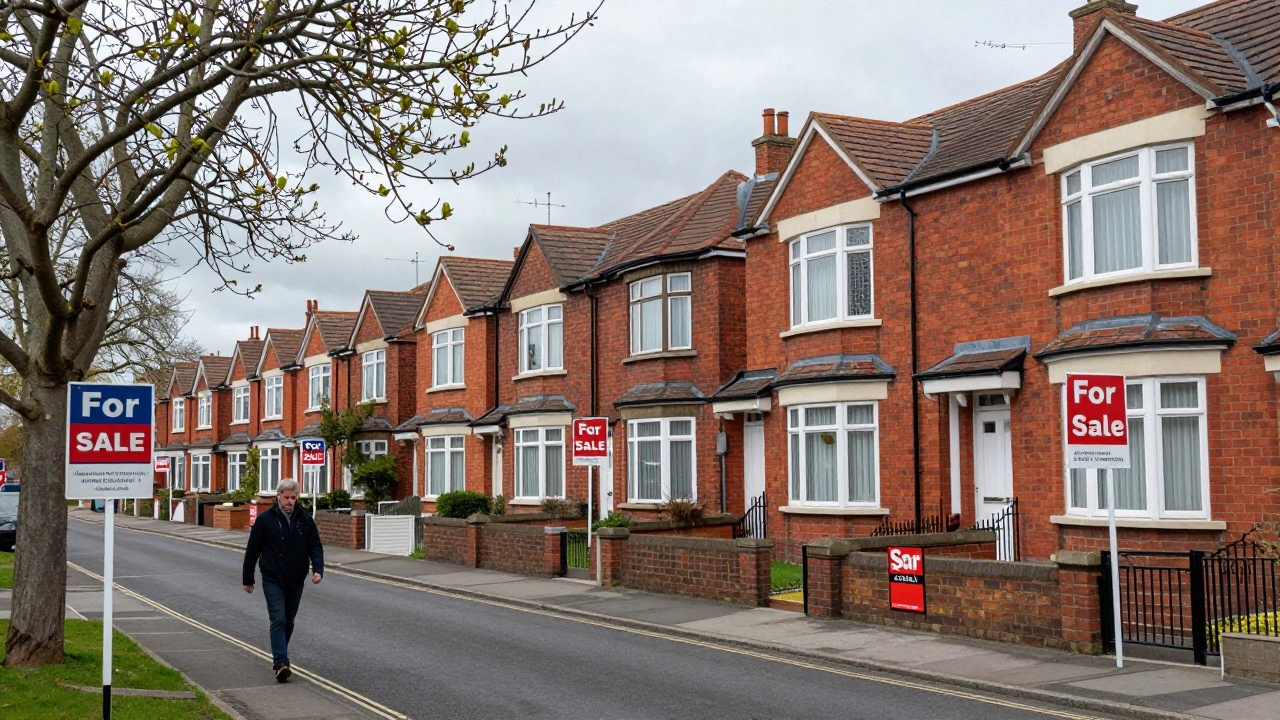
Even if national trends were stable, your specific street or neighborhood might be experiencing an oversupply. This happens when more houses come onto the market than there are buyers looking to purchase. In London and other major cities, we saw a surge in listings in 2024 as people who bought during the pandemic decided to move, upgrade, or downsize.
If five houses on your road are for sale and only two buyers are interested, those sellers will compete against each other. They might slash prices to secure a quick sale. Automated Valuation Models (AVMs) used by sites like Rightmove or Zoopla pick up on these transactional data points. If similar homes nearby sold for less than they listed for, the algorithm lowers the estimated value of all comparable properties, including yours.
Economic Uncertainty and Buyer Confidence
Housing is not just about bricks and mortar; it is about confidence. In 2025 and 2026, concerns about job security, wage growth, and general economic stability made potential buyers hesitant. People tend to delay big purchases like buying a home when they are unsure about their future income.
This hesitation creates a "cold" market. Transactions slow down. When sales volumes drop, prices often follow. It is a self-fulfilling prophecy: buyers wait for prices to fall, so sellers don't get offers, so sellers lower prices to attract attention. This cycle can drag down valuations across entire regions, even if the physical condition of the homes remains excellent.
How Accurate Are Online Valuations?
It is crucial to understand that online estimates are just that-estimates. They rely on algorithms that look at past sales data, public records, and basic property features. They cannot see that you just replaced the boiler, nor do they know that the house next door has a damp problem that isn't publicly recorded.
These tools are useful for getting a rough range, but they are often lagging indicators. They reflect what happened three to six months ago. If the market is moving quickly downward, an online tool might still show a high value based on old data, or conversely, it might over-correct based on a few distressed sales in your area. Never treat an online figure as a definitive appraisal.
What Can You Do About It?
If you are not planning to sell immediately, the best strategy is often patience. Real estate is generally a long-term investment. Short-term fluctuations are normal. Historically, UK house prices have risen over any ten-year period despite occasional dips.
If you need to sell, focus on what you can control. Improve the presentation of your home. Ensure it is clean, decluttered, and well-lit. Sometimes, staging a home properly can help it stand out in a crowded market, allowing you to achieve a better price than the average. Also, consider working with a local estate agent who understands the nuances of your specific neighborhood. They can provide a realistic marketing plan and negotiate effectively on your behalf.
Regional Differences Matter
Not all areas are affected equally. In some parts of the North of England, prices remained relatively resilient due to affordability constraints being less severe than in the South East. Conversely, prime central London locations saw sharper corrections as international buyers pulled back. Understanding your local context is key. Check recent sold prices in your immediate vicinity rather than relying solely on national headlines.
Will my home value go back up?
Historically, yes. While short-term dips are common due to interest rate changes and economic cycles, long-term trends in the UK favor appreciation. However, timing the exact bottom of the market is difficult. Most experts suggest holding property for at least five to ten years to smooth out volatility.
Does a lower home value affect my mortgage?
No. Your mortgage is a fixed contract. The amount you owe does not change just because the market value of your home drops. You still make the same monthly payments. However, it may affect your ability to remortgage or take out additional equity if you need cash later.
Should I stop paying my mortgage if my home is underwater?
Absolutely not. Being "underwater" means you owe more than the house is worth, but you still live there and benefit from it. Defaulting on your mortgage will damage your credit score severely and could lead to repossession. Continue making payments as agreed.
How do I get an accurate valuation of my home?
The most accurate method is a formal valuation from a qualified surveyor or a detailed market appraisal from a reputable local estate agent. They physically inspect the property, assess its condition, and compare it to recent actual sales (not just listings) in your immediate area.
Can renovations increase my home's value in a down market?
Yes, but be careful not to over-improve. Minor updates like fresh paint, new flooring, and modernizing kitchens and bathrooms usually offer a good return on investment. Major structural extensions may not recoup their full cost if the overall market is declining, as buyers are more price-sensitive.