
UK Non-Resident Landlord Tax Calculator
Rental Income Details
Results Summary
You own a flat in London, but you live in Paris. Or maybe you bought a holiday home in Cornwall while your permanent address is in Dubai. When the first tenant pays rent, does the money go straight to your bank account? Not necessarily. If you are not a UK resident for tax purposes, you fall under a specific legal category that changes how you handle your rental income.
This status is known as being a non-resident landlord. It is not just a label; it triggers a set of rules enforced by HM Revenue and Customs (HMRC), the UK's tax authority. Understanding this status is critical because failing to register or comply can lead to withheld income, penalties, and significant administrative headaches down the line.
The Definition: What Makes You a Non-Resident Landlord?
To be classified as a non-resident landlord, two conditions must be met simultaneously. First, you must receive rental income from a property located in the United Kingdom. Second, you must not be resident in the UK for tax purposes during the tax year in which the income is received.
Residency is determined by the Statutory Residence Test (SRT). This test looks at factors like how many days you spend in the UK, your ties to the country (family, accommodation, work), and your residency status in other countries. If the SRT determines you are non-UK resident, and you earn money from UK property, you are subject to the Non-Resident Landlord Scheme (NRLS).
It is important to distinguish between physical presence and tax residency. You might visit your UK property every weekend, but if you spend fewer than 183 days in the UK and have stronger economic ties elsewhere, you may still be considered non-resident for tax purposes. Conversely, if you move back to the UK permanently, your status changes, and so do your obligations.
How the Non-Resident Landlord Scheme Works
The core mechanism of the NRLS is withholding tax. Under this scheme, your agent (letting agent) or your tenants are required to deduct basic rate income tax from your rental payments before passing the rest to you. Currently, the basic rate is 20%.
If you earn £1,000 in monthly rent, your tenant or agent will keep £200 and send it directly to HMRC, while paying you the remaining £800. This ensures that the UK government collects its share of tax on income generated within its borders, even if the earner lives abroad.
This process applies regardless of whether you actually owe tax. Even if your total income is below the personal allowance threshold, the deduction happens automatically unless you have applied for an exemption. The system is designed to prevent tax evasion by ensuring funds are captured at the source.
Registration Process with HMRC
Being a non-resident landlord does not mean you are stuck paying 20% tax forever. You can apply to change how your tax is handled. To do this, you must register with HMRC using specific forms.
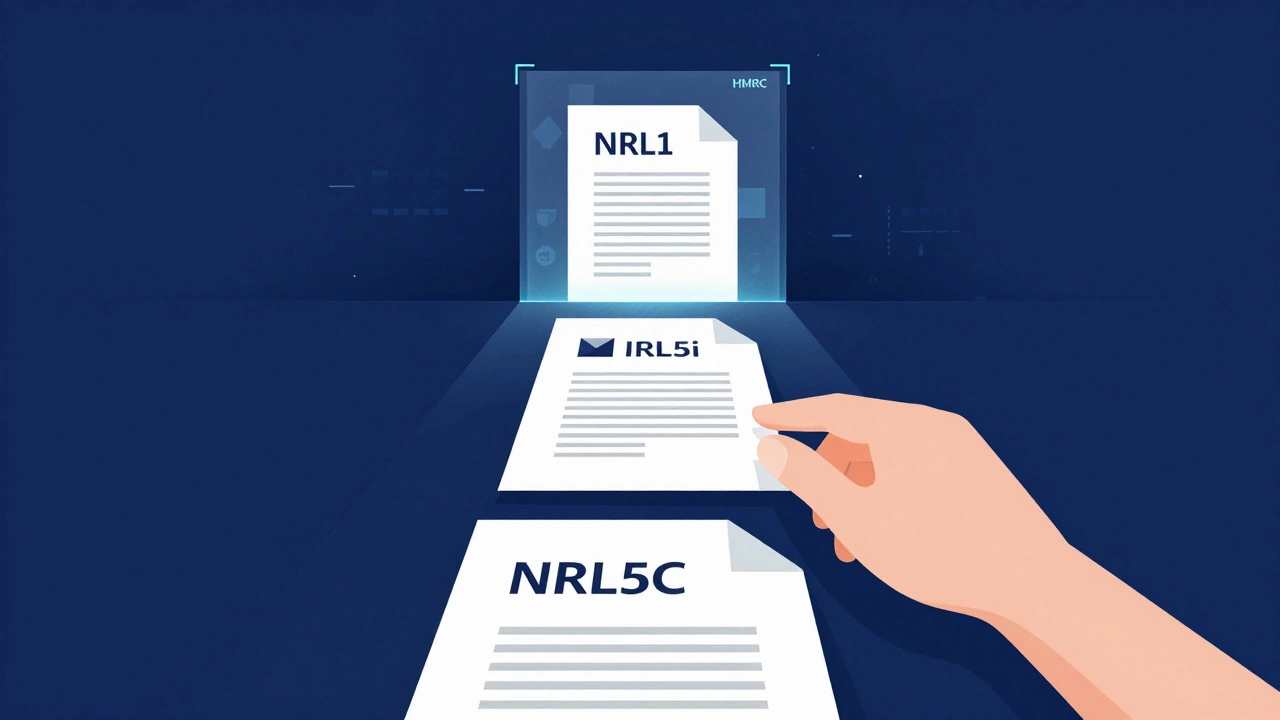
- Form NRL1: This form is used by agents or tenants to notify HMRC that they are making payments to a non-resident landlord. They should submit this within three months of starting to make payments.
- Form NRL5i: This is the key form for landlords. You use it to provide your details to HMRC and declare your tax residency status.
- Form NRL5C: Use this if you want to apply for clearance. Clearance means you can receive your full rental income without the 20% deduction, provided you agree to pay any due tax through your Self Assessment tax return.
You can submit these forms online via the HMRC website or by post. Once registered, HMRC will review your application. If approved, they will issue a clearance certificate to your agent or tenant, instructing them to stop withholding tax.

Applying for Clearance: Receiving Full Rent
Most non-resident landlords prefer to receive their full rental income and manage their tax liability themselves. This is done by obtaining clearance from HMRC. There are different levels of clearance available depending on your circumstances.
- Clearance for all properties: You receive full rent from all UK properties. You must file a Self Assessment tax return annually to report your worldwide income and pay any tax owed.
- Clearance for specific properties: You receive full rent only from certain properties, while others remain subject to withholding.
- No clearance: Your agent or tenant continues to withhold 20% tax.
To qualify for clearance, you generally need to show that you will comply with UK tax laws. This often means registering for Self Assessment if you haven't already. HMRC may ask for evidence of your overseas residence and details of your other income sources.
Tax Obligations and Double Taxation Agreements
Earning income in the UK while living abroad raises questions about double taxation. Fortunately, the UK has Double Taxation Agreements (DTAs) with over 130 countries. These treaties determine which country has the right to tax your rental income.
In most cases, the UK has the primary right to tax rental income from UK-sourced property. However, your country of residence may also claim taxing rights. DTAs usually provide mechanisms to avoid paying tax twice. For example, you might pay tax in the UK and then claim a credit for that amount against your tax bill in your home country.
If you are a resident of a country with no DTA with the UK, you may face higher tax burdens. In such cases, consulting a tax advisor specializing in international property law is crucial. They can help structure your affairs to minimize liabilities legally.
Common Pitfalls and Penalties
Failing to register as a non-resident landlord or providing incorrect information can result in penalties. HMRC takes compliance seriously. Common mistakes include:
- Not notifying HMRC: If you start receiving rent and don't register, you risk backdated penalties.
- Incorrect residency claims: Claiming non-resident status when you are actually UK resident (or vice versa) can lead to investigations.
- Misreporting income: Understating rental income or overstating expenses in your tax return.
Penalties can range from fixed amounts to percentages of the unpaid tax. In severe cases, criminal prosecution is possible. Always keep accurate records of your rental income, expenses, and correspondence with HMRC.
Comparison: Resident vs. Non-Resident Landlords
| Feature | Resident Landlord | Non-Resident Landlord |
|---|---|---|
| Tax Withholding | No automatic withholding | 20% withheld by default |
| Registration | Self Assessment only if taxable | Mandatory NRL scheme registration |
| Tax Filing | UK Self Assessment | UK Self Assessment + Potential Home Country Return |
| Credit for Foreign Tax | N/A | Possible under Double Taxation Agreements |
| Complexity | Standard | Higher due to cross-border rules |
Next Steps for New Non-Resident Landlords
If you have just purchased a UK property and live abroad, take these steps immediately:
- Determine your residency status: Use the Statutory Residence Test to confirm if you are non-UK resident.
- Contact your letting agent: Inform them of your status so they can withhold tax correctly.
- Register with HMRC: Submit Form NLR5i and consider applying for clearance via Form NLR5C.
- Set up accounting systems: Track all rental income and allowable expenses meticulously.
- Consult a tax professional: Especially if you have complex assets or live in a country with a weak DTA framework.
Managing a UK property from abroad is entirely feasible, but it requires proactive compliance. By understanding the Non-Resident Landlord Scheme, you protect yourself from unexpected tax bills and ensure smooth operations for your investment.
Do I need to pay UK tax if I live abroad?
Yes, if you earn rental income from a UK property, you are liable for UK tax on that income, regardless of where you live. The Non-Resident Landlord Scheme ensures this tax is collected, either through withholding or direct payment via Self Assessment.
Can I get my withheld tax back?
Yes. If the 20% withholding exceeds your actual tax liability, you can claim a refund through your annual Self Assessment tax return. Ensure you report all income and expenses accurately to maximize your refund.
What happens if I become a UK resident again?
If your residency status changes, you must inform HMRC immediately. You will no longer be subject to the Non-Resident Landlord Scheme, and your agent or tenant should stop withholding tax. Update your tax records to reflect your new status.
Is there a deadline for registering as a non-resident landlord?
While there is no strict statutory deadline for initial registration, you should register as soon as you start receiving rental income. Delaying registration can lead to penalties and complicate your tax affairs. Agents are required to notify HMRC within three months of starting payments.
Does the NRL scheme apply to corporate landlords?
The Non-Resident Landlord Scheme primarily applies to individuals. Corporate entities are taxed differently, typically under Corporation Tax rules. However, if a company is non-UK resident and earns UK rental income, specific provisions may apply. Consult a tax advisor for corporate structures.