
Real Estate Agent Dress Code Calculator
You walk into a listing presentation or an open house, and the first thing a client notices isn't your pitch. It’s your appearance. In real estate, you are the brand. Your clothes signal trustworthiness, competence, and attention to detail before you even shake hands. But what exactly should you wear? The answer depends on where you live, who you’re meeting, and what kind of property you’re selling.
Gone are the days when a stiff suit was mandatory for every interaction. Today’s real estate agent is a professional who facilitates property transactions while adapting to modern client expectations needs versatility. You might be touring a luxury penthouse in the morning and inspecting a fixer-upper basement by noon. This guide breaks down exactly what to wear in every scenario so you look polished without feeling uncomfortable.
The Core Principle: Business Casual with a Twist
For most daily activities-showings, paperwork, and casual meetings-business casual is the standard dress code that balances professionalism with comfort is your best friend. It says you take your job seriously but aren’t trying too hard. Think dark jeans or chinos paired with a crisp button-down shirt or a high-quality blouse. Add a blazer if the weather permits or if you want to elevate the look slightly.
Avoid anything too tight, too short, or too revealing. Your goal is to keep the focus on the property, not your outfit. Also, steer clear of loud patterns or neon colors that might clash with the decor of the homes you’re showing. Neutral tones like navy, grey, beige, and white work well because they blend into any environment.
Dressing for Listing Presentations
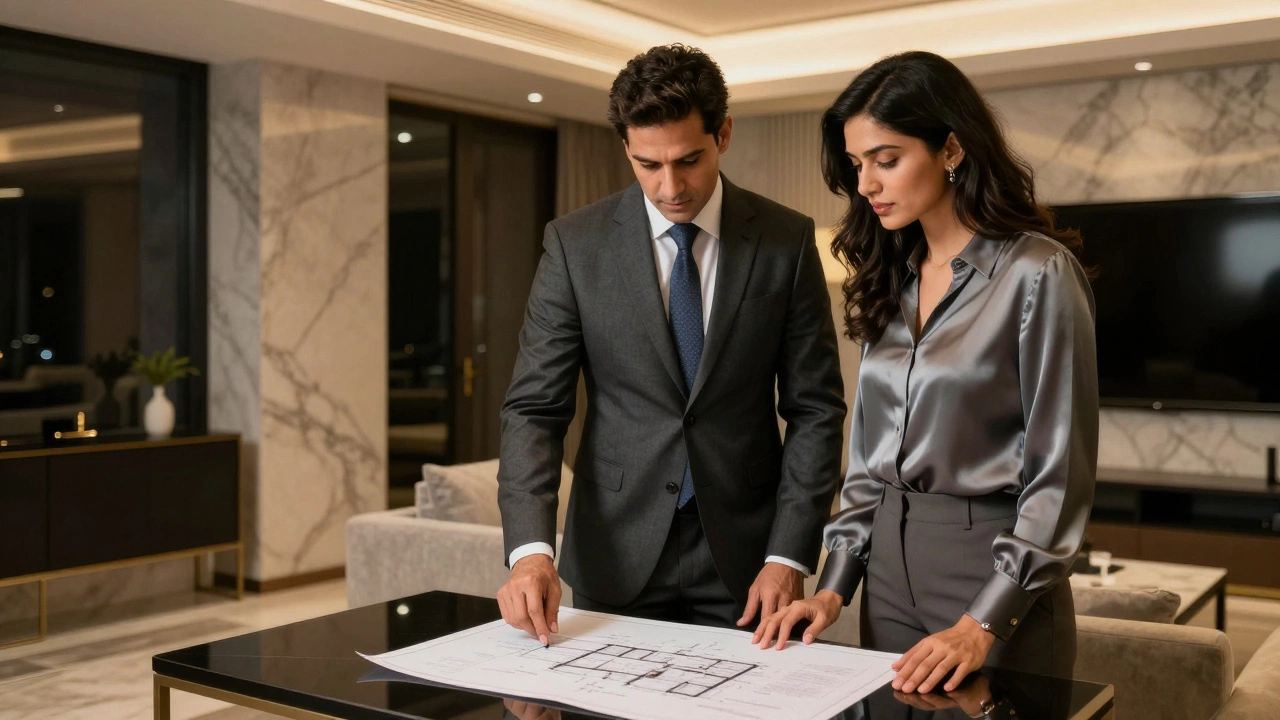
When you’re pitching to sell a home, you need to command respect. This is one of the few times when dressing up pays off. A tailored suit or a structured dress with a blazer signals authority and reliability. Sellers want to know you can handle their biggest asset, and looking sharp helps build that initial confidence.
- Men: A navy or charcoal suit with a solid-color tie. Keep the shoes polished leather oxfords or loafers.
- Women: A pencil skirt suit or trousers with a silk blouse. Closed-toe heels or elegant flats complete the look.
If you’re in a more relaxed market like California or Florida, you can tone it down slightly. A blazer over a nice top with tailored pants still works. The key is to look put-together. Wrinkled clothes or scuffed shoes send the wrong message about your attention to detail.
Open House Attire: Approachable Yet Professional
Open houses require a different vibe. You want to be approachable so strangers feel comfortable walking in and chatting with you. Too formal, and you’ll seem intimidating. Too casual, and you might look unprofessional. Aim for "smart casual."
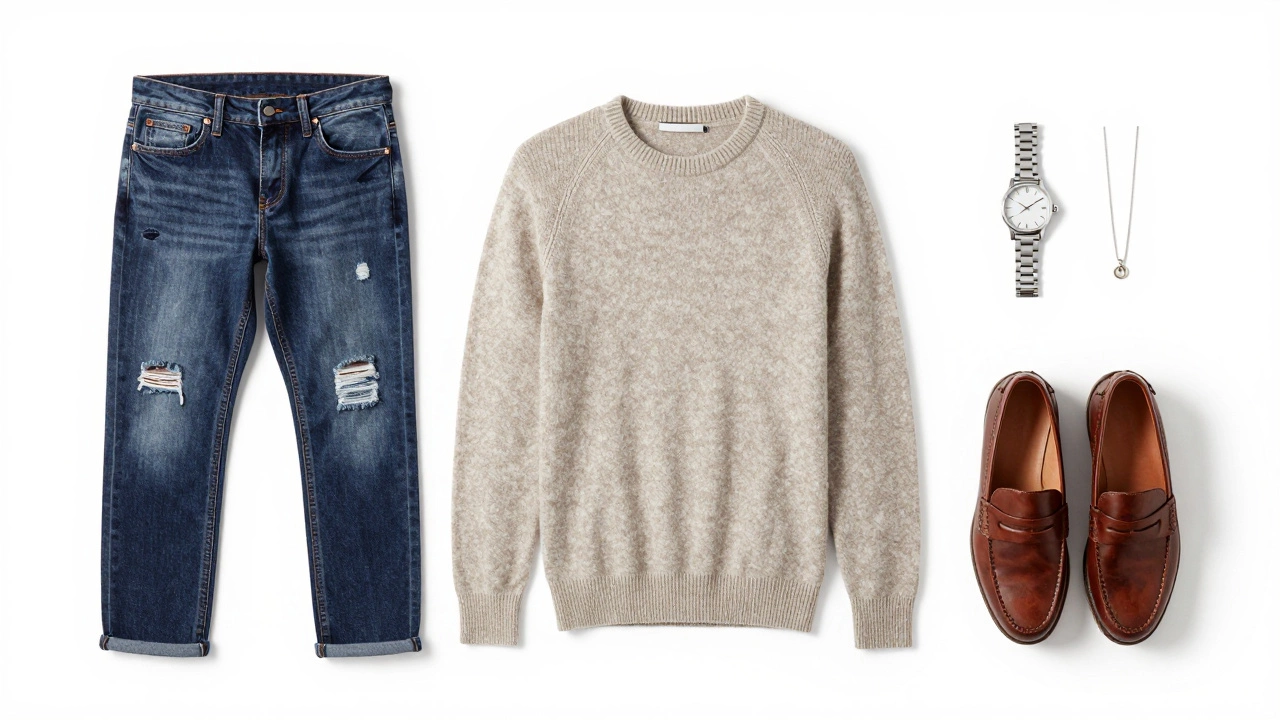
Jeans are acceptable here, but they must be dark-wash and free of rips. Pair them with a neat sweater or a collared shirt. Comfortable shoes are crucial since you’ll be standing all day. Avoid sneakers unless they are clean, minimalist leather ones. Canvas sneakers can look too sloppy for some buyers.
Accessories matter too. A simple watch or subtle jewelry adds polish without distraction. Make sure your hair is tidy and your makeup (if worn) is natural. You want people to remember your smile and knowledge, not your outfit.
Property Inspections and Construction Sites
Sometimes you’ll accompany clients to rough properties, new builds, or inspection sites. Here, practicality beats style. You don’t want to ruin expensive clothes in dusty basements or muddy yards. Wear durable fabrics like cotton twill or denim that can handle dirt.
Closed-toe shoes with good grip are non-negotiable. Safety boots or sturdy sneakers protect your feet from debris. Avoid long skirts or loose sleeves that could get caught on equipment. Layering is smart because temperatures can vary wildly between indoors and outdoors.
Even in these rugged settings, maintain a level of neatness. Clean, plain t-shirts under a flannel or jacket look intentional rather than lazy. Show clients you’re ready to work alongside them regardless of conditions.
Seasonal Adjustments and Weather Considerations
Weather plays a huge role in what you wear. In winter, layering allows you to adjust as you move between cold exteriors and heated interiors. A wool coat over your business casual outfit keeps you warm without adding bulk. Scarves should be neutral-colored to avoid looking messy.
Summer brings its own challenges. Light fabrics like linen or breathable cotton help prevent sweating during hot showings. Dark colors absorb heat, so opt for lighter shades when possible. However, ensure your clothes don’t wrinkle easily. Linen looks great but creases quickly, which can undermine your polished image.
Rainy days call for waterproof outerwear and umbrellas. Keep a spare pair of socks in your car in case your shoes get wet. Wet feet distract from your performance and make you uncomfortable.
Footwear: The Foundation of Your Look
Your shoes say a lot about you. They should be comfortable enough for miles of walking yet stylish enough for photos. For men, brown or black leather loafers or derbies work well. Women can choose block heels, ankle boots, or chic flats. Avoid stilettos-they sink into grass and hurt your feet after hours of standing.
Keep your shoes clean. Scuffed toes or dirty soles suggest neglect. Polish them regularly and wipe off mud immediately after outdoor visits. If you’re touring multiple properties, carry a small brush in your bag for quick touch-ups.
Accessories and Grooming Details
Small details elevate your appearance. A quality watch implies punctuality and organization. Minimalist jewelry avoids noise when handling keys or documents. Perfume or cologne should be subtle; strong scents can trigger allergies or overwhelm sensitive noses in enclosed spaces.
Grooming matters just as much as clothing. Trimmed nails, fresh breath, and neat hair show self-respect. Carry mints or gum discreetly. Bad hygiene overshadows even the best-tailored suit.
| Scenario | Top | Bottom | Shoes | Notes |
|---|---|---|---|---|
| Listing Presentation | Blazer + Shirt | Trousers/Skirt | Leather Loafers/Heels | Formal & Authoritative |
| Open House | Smart Sweater | Dark Jeans | Clean Sneakers/Flats | Approachable & Comfortable |
| Property Inspection | T-shirt + Jacket | Chinos/Denim | Sturdy Boots | Durable & Practical |
| Client Meeting (Coffee) | Blouse/Polo | Chinos | Casual Leather Shoes | Relaxed but Polished |
Common Mistakes to Avoid
Many agents sabotage their image with minor errors. Wearing overly casual gym clothes to a meeting suggests laziness. Showing up in flip-flops signals disrespect. Even if you’re driving straight from the gym, change before meeting clients.
Another mistake is ignoring local norms. In New York City, a suit might be expected for high-end condos. In Austin, Texas, a blazer might seem out of place. Observe what successful agents in your area wear. Adapt to your community’s culture while maintaining professionalism.
Don’t forget laundry care. Wrinkled shirts look cheap. Iron your clothes or use steamers. Stains are unacceptable. Carry stain-removal wipes in your car for emergencies. A coffee spill can ruin your credibility if not handled quickly.
Building a Capsule Wardrobe for Agents
You don’t need a closet full of outfits. A capsule wardrobe reduces decision fatigue and ensures everything matches. Invest in five core pieces: two pairs of trousers, two tops, one blazer, and versatile shoes. Mix and match these items to create multiple looks.
Quality over quantity matters. Buy fewer items but choose durable fabrics that withstand frequent washing. Natural fibers like cotton and wool breathe better and last longer than synthetics. Tailoring is worth the cost. Off-the-rack clothes rarely fit perfectly. A hemmed pant or adjusted sleeve makes a massive difference.
Can I wear jeans as a real estate agent?
Yes, but only dark-wash, rip-free jeans paired with a polished top and blazer. Reserve jeans for open houses or casual meetings, not formal listing presentations.
Is it okay to wear sneakers?
Clean, minimalist leather sneakers are acceptable for open houses and inspections. Avoid athletic running shoes or canvas sneakers for client meetings.
How do I dress for summer showings?
Choose light-colored, breathable fabrics like cotton or linen blends. Opt for short-sleeved button-downs or blouses with tailored shorts or skirts that hit above the knee.
Should I wear a suit to every appointment?
No. Suits are best for listing presentations and high-stakes negotiations. For routine showings, business casual is more appropriate and comfortable.
What accessories should I avoid?
Avoid large, noisy jewelry, heavy perfumes, or distracting hats. Keep accessories minimal and professional to maintain focus on the conversation.