Rambler Style House Suitability Quiz
Loading...
Description goes here.
Result Headline
Subtitle
Compatibility Score
0%
Key Matches:
Why this fits you:
Explanation text goes here.
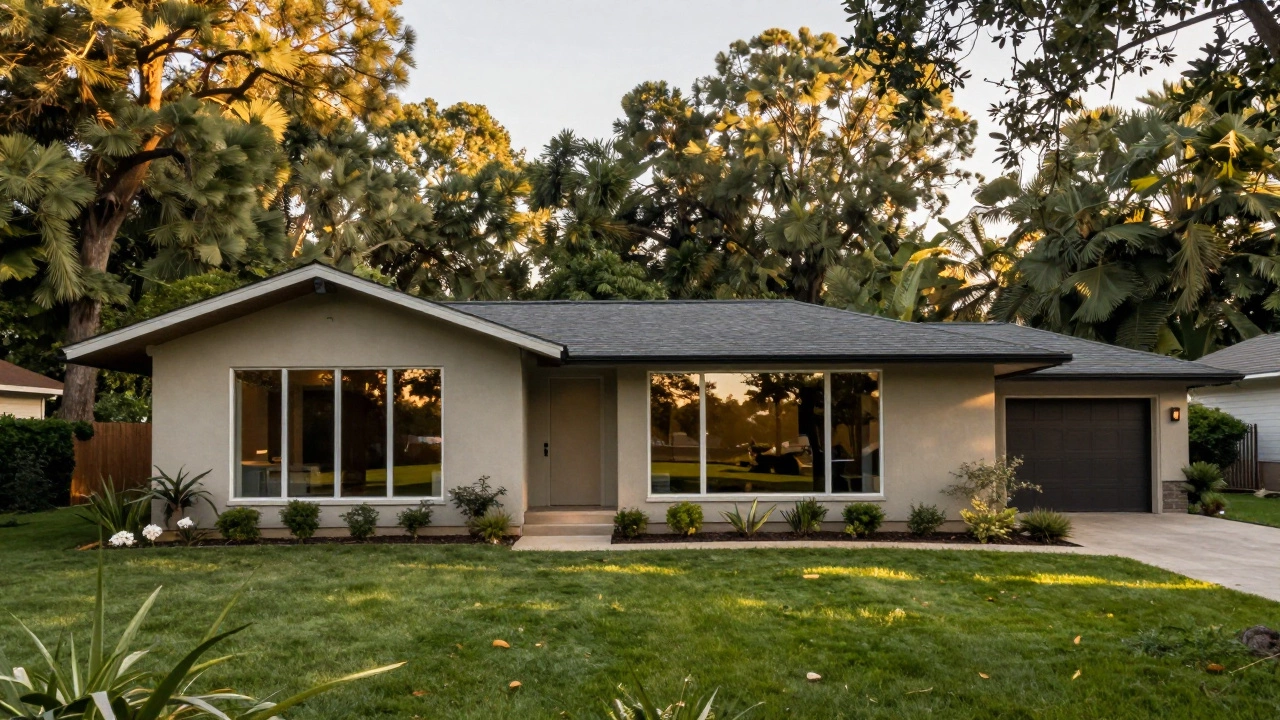
Picture this: you walk up to a house that hugs the ground like it’s trying to blend into the landscape. There are no stairs to climb, no upper floors looming overhead. Just one level of living space spreading out wide rather than stacking high. This is the essence of a Rambler style house, also known as a ranch style home. It’s a design that prioritizes ease, flow, and a deep connection to the outdoors.
If you’ve been scrolling through listings for villas or family homes, you might have seen this term pop up. But what exactly makes a rambler different from a standard bungalow or a split-level? Why did this style become so iconic in the mid-20th century, and does it still make sense for modern buyers today?
In this guide, we’ll break down the anatomy of a rambler, explore its pros and cons, and help you decide if this low-slung aesthetic fits your lifestyle. Whether you’re looking for accessibility, simplicity, or just a vibe that feels grounded, understanding this architectural style is key.
The Anatomy of a Rambler: What Defines the Style?
To spot a true rambler, you need to look beyond just the number of stories. While it is strictly single-story, not every single-story house is a rambler. The style has specific DNA that sets it apart from other architectural forms.
Rambler houses typically feature an elongated, horizontal footprint. Think long rectangles or L-shapes that stretch across a lot. This horizontal emphasis is deliberate-it’s meant to mimic the natural horizon line, making the house feel less intrusive on the land.
Here are the core characteristics that define the style:
- Single-Story Layout: Everything is on one level. No stairs between the kitchen, bedrooms, and living areas.
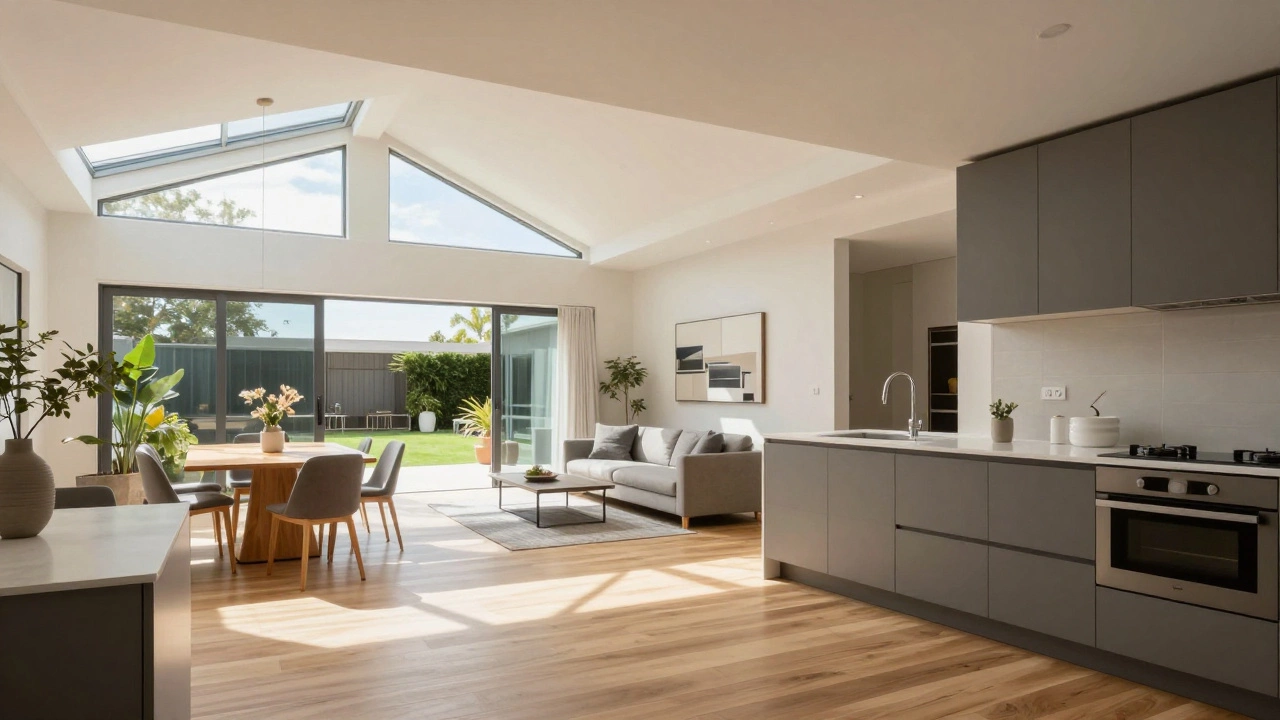
- Open Floor Plan: Unlike older Victorian homes with boxed-in rooms, ramblers often feature flowing spaces where the living room merges into the dining area and kitchen.
- Low-Pitched Roof: The rooflines are usually shallow, often with wide eaves. You might see gable roofs or flat roofs, but they rarely soar high into the sky.
- Attached Garage: Most ramblers include an attached garage, reflecting the post-war boom in car ownership.
- Large Windows and Sliding Doors: Glass plays a huge role. Large picture windows and sliding glass doors blur the line between inside and outside, inviting natural light and views of the backyard.
This design was popularized in the United States after World War II, particularly by architects like Richard Neutra and Calvin Straub. They wanted affordable, efficient housing that utilized modern materials like steel and glass. The result was a home that felt spacious despite being modest in square footage.
Rambler vs. Bungalow vs. Ranch: Clearing Up the Confusion
Real estate terminology can be messy. You’ll hear “rambler,” “ranch,” and “bungalow” used interchangeably, but there are subtle differences. Knowing these distinctions helps you search more effectively and understand what you’re actually buying.
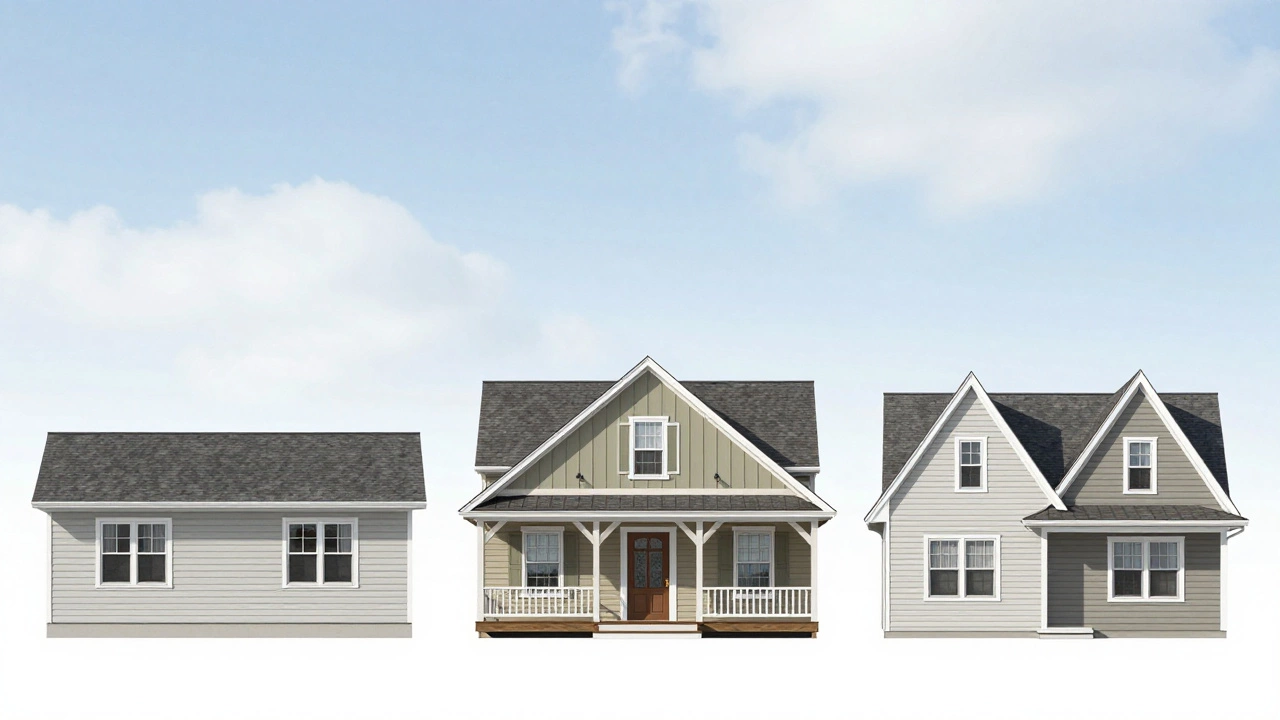
| Feature | Rambler / Ranch | Bungalow | Cape Cod |
|---|---|---|---|
| Stories | Strictly one story | One or one-and-a-half stories | Two stories (usually) |
| Roof Pitch | Low to flat | Steep, gabled | Steep, symmetrical gables |
| Layout | Open, linear flow | More compartmentalized rooms | Compact, vertical stack |
| Porch | Often minimal or covered entry | Full-width front porch is common | Small entry porch |
| Era of Peak Popularity | 1950s-1970s | 1900-1930s | 1920s-1950s |
A Bungalow often has a more craftsman feel, with exposed beams, decorative trim, and sometimes a second floor tucked under the roofline. A rambler is sleeker, more modern, and focused on horizontal lines. If you’re looking for that mid-century modern vibe, you want a rambler, not a traditional bungalow.
Why Choose a Rambler? The Benefits of Single-Story Living
So, why do people still buy ramblers today? It’s not just nostalgia. There are practical, lifestyle-driven reasons why this style remains attractive, especially for certain demographics.
Accessibility is King For aging-in-place buyers or anyone with mobility issues, a rambler is a dream. No stairs means no barriers. If you use a wheelchair, a walker, or just don’t want to haul laundry up and down flights of steps, this layout simplifies daily life. It’s also great for families with young children who are prone to falling-or running-downstairs.
Indoor-Outdoor Flow The large windows and sliding doors mentioned earlier aren’t just for looks. They create a seamless transition to the garden or patio. In warmer climates, this extends your living space outdoors. You can host barbecues, read a book, or watch the kids play while feeling connected to them from the kitchen.
Maintenance Simplicity With only one story, exterior maintenance is easier. You don’t need scaffolding to clean gutters or repaint siding. Roof repairs are also generally simpler since the pitch is lower and the surface area is often smaller compared to a two-story home of similar square footage.
Energy Efficiency Potential While older ramblers might have poor insulation, the compact, single-story shape can be energy-efficient when updated. Heating and cooling air in one continuous volume is often more efficient than managing multiple floors with temperature stratification.
The Downsides: What to Watch Out For
No home style is perfect. Before you fall in love with that low-slung aesthetic, consider the potential drawbacks. These factors could impact your resale value or daily comfort.
Limited Space Perception Because the house spreads out horizontally, it can feel cramped if the ceiling height is low. Older ramblers often have 8-foot ceilings, which can feel boxy by today’s standards. Without high ceilings or large windows, the interior might lack grandeur.
Land Usage A rambler requires a larger lot than a two-story home of the same square footage. If you live in a dense urban area where land is expensive, a rambler might eat up too much of your yard. You’re trading vertical space for horizontal space, which isn’t always feasible.
Privacy Concerns With large windows and an open plan, noise and visibility travel easily. If you have teenagers who crave privacy, a rambler might require strategic furniture placement or room dividers to create separate zones. Soundproofing between bedrooms and living areas can also be a challenge in older builds.
Resale Market Niche While ramblers are popular with retirees and small families, they might not appeal to growing families who need more bedrooms. In markets where multi-generational living is common, a two-story home might offer better flexibility for extended family members.
Modern Updates: Reviving the Classic Rambler
If you’re considering buying an older rambler, don’t let the age scare you off. Many of these homes are prime candidates for renovation. Here’s how modern homeowners are updating the style:
- Removing Walls: Knocking down non-load-bearing walls to create a truly open-concept kitchen and living area.
- Adding Skylights: Since you can’t add a second floor, skylights bring in natural light without compromising the roofline.
- Updating Flooring: Replacing original carpet or linoleum with hardwood or large-format tiles to enhance the flow of space.
- Smart Home Integration: Adding smart thermostats, lighting, and security systems to improve efficiency and convenience.
- Expanding the Footprint: Some owners add a sunroom or bump-out to increase square footage while maintaining the single-story profile.
These updates can breathe new life into a rambler, making it feel contemporary while preserving its classic charm. The key is to respect the original horizontal lines while improving functionality.
Is a Rambler Right for You?
Deciding whether a rambler fits your needs comes down to your lifestyle, budget, and long-term plans. Ask yourself these questions:
- Do I prioritize easy access over vertical space?
- Am I looking for a low-maintenance exterior?
- Do I value indoor-outdoor living?
- Is my lot size sufficient for a horizontal spread?
If you answered yes to most of these, a rambler might be your ideal home. It’s a style that offers simplicity, comfort, and a strong connection to nature. While it may not suit everyone, for those who appreciate grounded, accessible living, the rambler remains a timeless choice.
What is the difference between a rambler and a ranch house?
In most real estate contexts, "rambler" and "ranch" are used interchangeably. Both refer to single-story homes with a horizontal layout. However, some purists argue that "ranch" implies a more rural, sprawling setting, while "rambler" can apply to suburban lots. Practically speaking, they are the same architectural style.
Are rambler style houses good for resale?
Yes, especially in markets with aging populations or families seeking accessibility. Ramblers appeal to retirees, people with disabilities, and young families with small children. However, their resale value depends heavily on condition, location, and lot size. Updated ramblers with modern kitchens and bathrooms tend to sell quickly.
Can you add a second story to a rambler?
Technically, yes, but it’s complex and expensive. Adding a second story changes the fundamental character of the home and may require reinforcing the foundation. It’s often more cost-effective to expand horizontally or build a detached accessory dwelling unit (ADU) instead.
What are the best neighborhoods for rambler style homes?
Ramblers thrive in suburban neighborhoods with larger lots, such as those developed in the 1950s-1970s. Look for established communities with mature trees and wider streets. In cities like London or New York, ramblers are rare due to land constraints, but they are common in suburbs and rural areas.
How much does it cost to renovate a rambler?
Renovation costs vary widely based on scope. A basic cosmetic update (paint, flooring, fixtures) might cost £10,000-£30,000. Major structural changes, like removing walls or adding skylights, can range from £50,000 to £100,000+. Always get multiple quotes and check local building regulations before starting work.