4-Bedroom Apartment Cost & Value Estimator
Property Details
$0
Based on current market rate per square foot.
- Gross Yield: 0% / year
- Space Efficiency: Calculating...
Ready to Calculate
Enter property details to see cost breakdowns and investment potential.
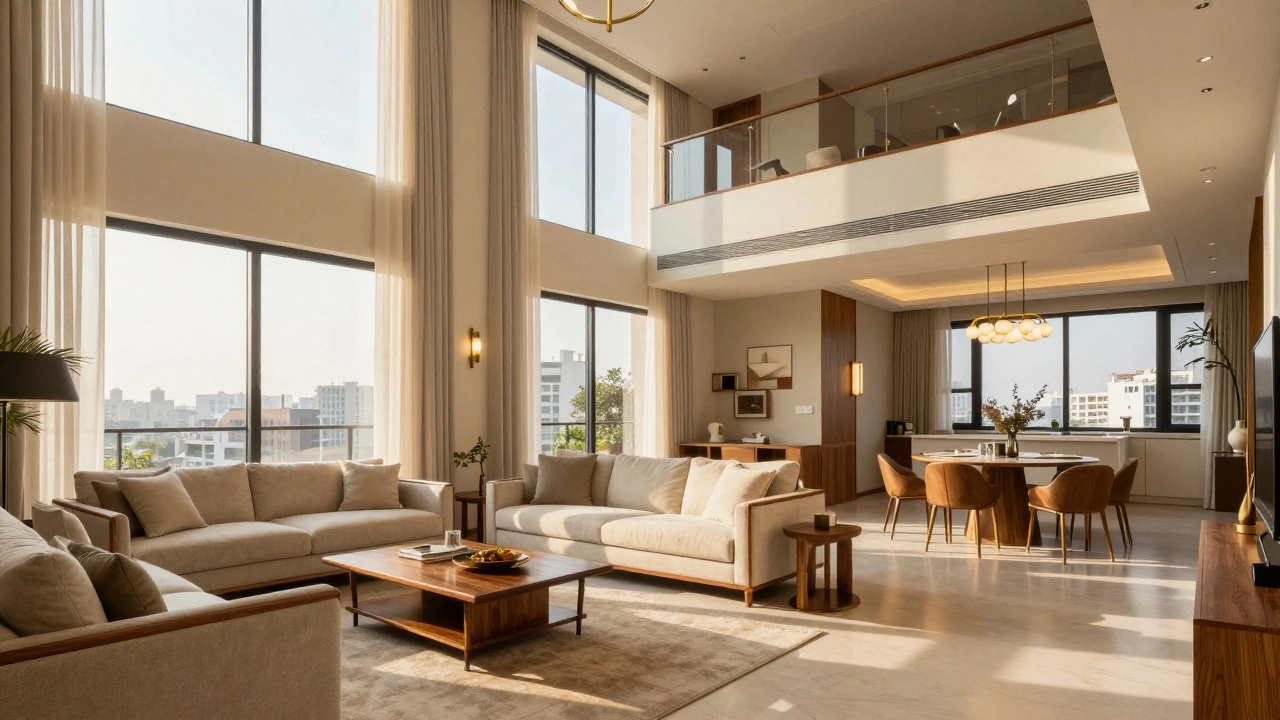
Picture this: you’re scrolling through property listings, and suddenly you see a listing for a "4 apartment." It sounds spacious, maybe even luxurious. But what does it actually mean? Is it four separate units? A massive mansion disguised as a flat? Or just a fancy way of saying "four bedrooms"?
In the world of real estate, terminology can be tricky. A 4 apartment isn’t a legal classification or a specific architectural style. It’s simply shorthand for an apartment with four bedrooms. While a 1BHK (one bedroom, hall, kitchen) is perfect for singles or couples, and a 2BHK fits small families, a 4-bedroom unit caters to a very different lifestyle. It’s about space, flexibility, and often, status.
Is a 4 apartment the same as a 4BHK?
Yes, in most contexts, a "4 apartment" refers to a 4BHK (Four Bedroom, Hall, Kitchen) layout. The term "apartment" describes the building type, while the number indicates the primary living spaces.
The Anatomy of a 4-Bedroom Apartment
To understand why someone would choose a 4-bedroom unit over a smaller one, you have to look at the layout. These apartments are not just bigger; they are structured differently to accommodate more people without feeling cramped.
A standard 4-bedroom apartment typically includes:
- Four Bedrooms: Usually, one is a master suite with an attached bathroom and walk-in closet. The other three vary in size but are designed for children, guests, or home offices.
- Multiple Living Areas: Unlike a 2BHK which might have one main hall, a 4-apartment often features a formal living room, a family lounge, and sometimes a den or study area.
- Expanded Kitchen and Dining: These units often include a utility area for laundry and storage, plus a larger dining space that can seat eight to ten people comfortably.
- Bathroom Configuration: Expect at least three bathrooms. The master has one, there’s usually a shared guest bath, and often a third half-bath or powder room near the entrance.
The square footage varies wildly by location. In dense urban centers like New York or Mumbai, a 4-bedroom might be around 2,500 to 3,000 square feet. In suburban areas or cities with lower land costs, these units can easily exceed 4,000 square feet, including balconies and terraces.
Who Actually Needs Four Bedrooms?
You might wonder if anyone really needs that much space. The answer is yes, but the demographics are shifting. It’s no longer just for large nuclear families.
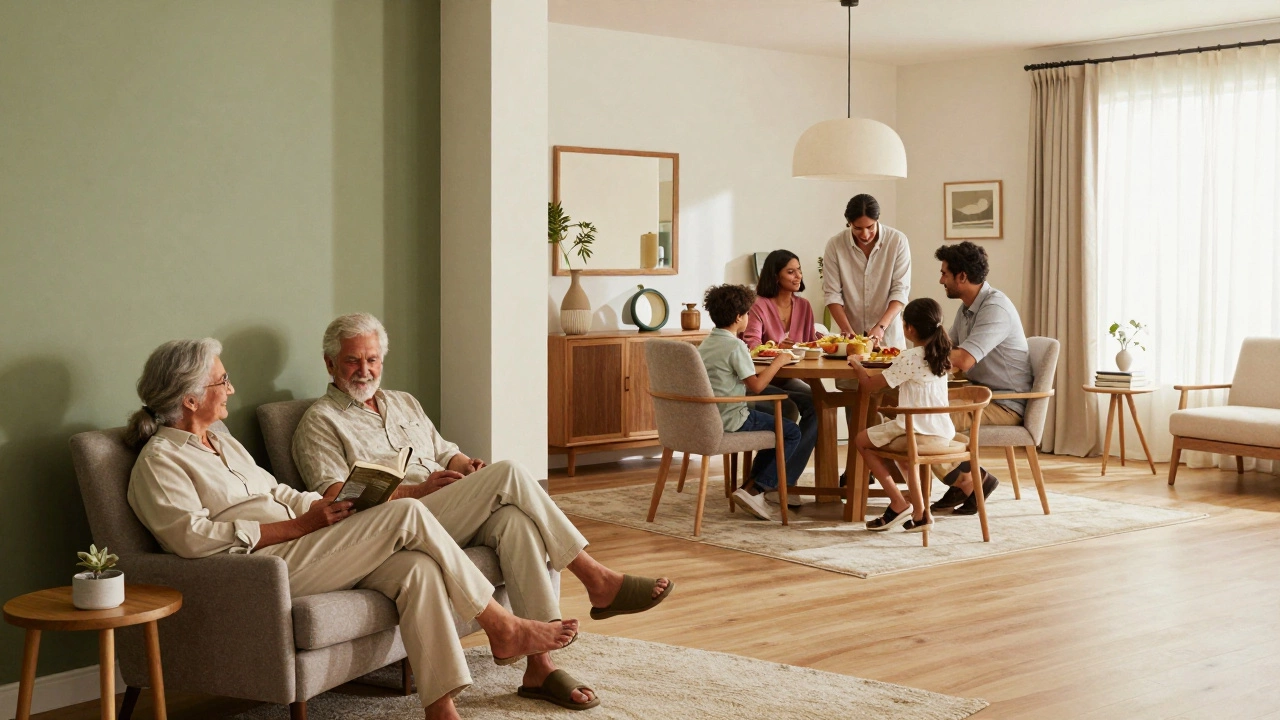
Multi-Generational Living: With rising housing costs and cultural shifts, many families are opting to live together. A 4-apartment allows grandparents to have their own private wing while sharing common spaces with parents and grandchildren. This setup supports independence while maintaining family bonds.
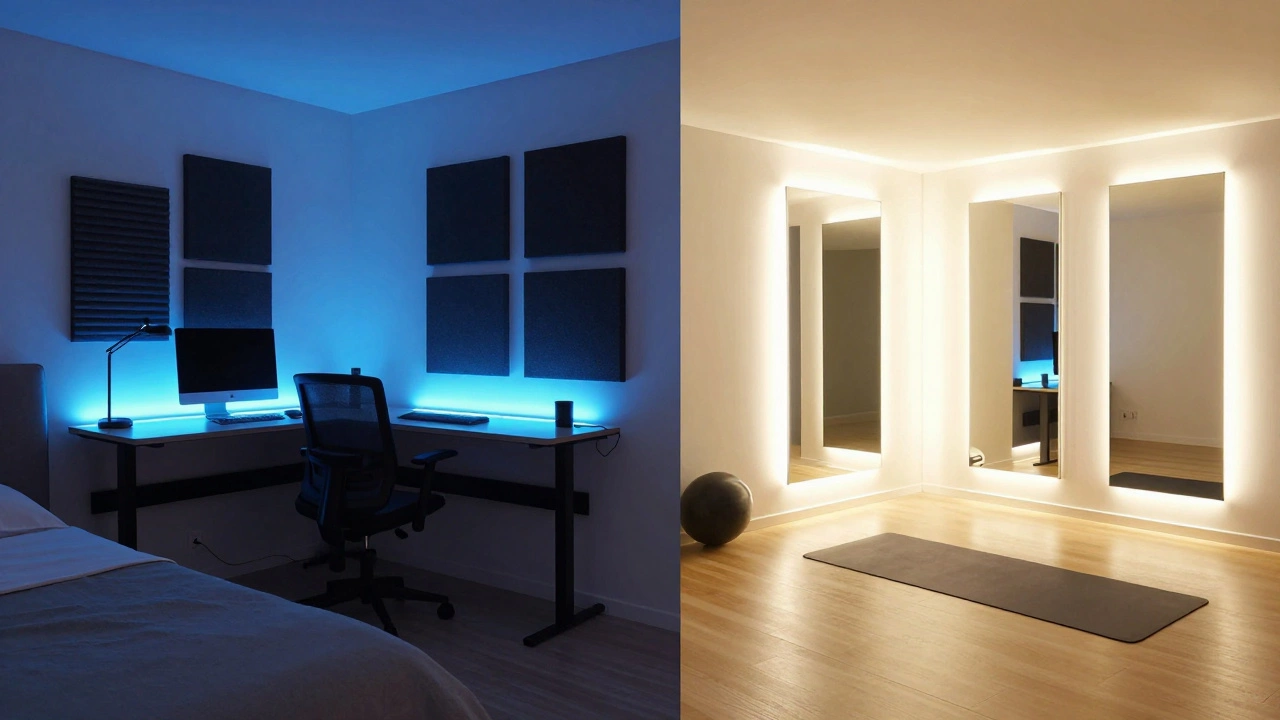
The Remote Work Revolution: Since the pandemic, the concept of a "spare room" has changed. One bedroom becomes a dedicated office, another a gym or media room, and the remaining two serve as sleeping quarters. For professionals who work from home full-time, having a separate workspace is non-negotiable for mental health and productivity.
Hosts and Entertainers: Some buyers prioritize hospitality. If you frequently host relatives, friends, or business associates, a 4-bedroom unit ensures everyone has a place to sleep without resorting to hotel bookings.
Cost vs. Value: Is It Worth the Premium?
Buying a 4-bedroom apartment comes with a significant price tag. Not only is the purchase price higher, but the ongoing costs-maintenance, utilities, and property taxes-scale up too. So, is it a good investment?
From a resale perspective, 4-bedroom units sit in a niche market. They don’t sell as quickly as 2BHKs because the buyer pool is smaller. However, when they do sell, they often command a higher price per square foot due to their scarcity in high-demand urban areas. Luxury developers often design these units with premium finishes, elevating their market value.
Rentally, they perform well in markets with strong demand for family housing or expatriate accommodations. Companies relocating senior executives often lease entire floors or large units, providing stable, long-term rental income.
| Feature | 2BHK Apartment | 4-Bedroom Apartment |
|---|---|---|
| Target Audience | Couples, Small Families | Large Families, Multi-Gen, Investors |
| Avg. Size (Sq Ft) | 800 - 1,200 | 2,500 - 4,500+ |
| Resale Speed | Fast (High Demand) | Slower (Niche Market) |
| Maintenance Cost | Low to Moderate | High |
| Flexibility | Limited | High (Office, Guest, Gym) |
Design Challenges in Large Apartments
Living in a 4-apartment isn’t all smooth sailing. Designing and furnishing such a large space presents unique challenges. Without careful planning, the unit can feel disjointed or cold.
Zoning is Critical: You need to create distinct zones. The sleeping quarters should be separated from the entertainment areas to ensure privacy. Soundproofing between bedrooms becomes essential, especially if children are involved.
Furniture Scale: Standard furniture might look tiny in a vast living room. You’ll need oversized sofas, large dining tables, and statement pieces to fill the space appropriately. This increases initial furnishing costs significantly.
Lighting Layers: Large rooms require layered lighting. Relying on a single ceiling fixture will leave corners dark. You’ll need ambient, task, and accent lighting to make the space feel warm and inviting.
Legal and Structural Considerations
Before signing any papers, verify the structural integrity and legal status of the building. Large apartments often occupy entire floors or corner units, which can affect load-bearing walls and ventilation.
Check the building’s bylaws regarding modifications. Some societies restrict external changes or noise levels, which could impact your ability to convert a bedroom into a home theater or gym. Additionally, ensure the property has adequate parking slots. A 4-bedroom household likely owns multiple vehicles, and insufficient parking can be a major headache.
Future-Proofing Your Home
If you’re buying a 4-apartment, think long-term. Will your family grow? Will you age in place? These units offer excellent future-proofing potential. As children move out, those extra rooms can transform into hobby spaces, libraries, or guest suites. The flexibility to adapt the space to changing life stages is one of the biggest advantages of owning a larger apartment.
However, consider the energy efficiency. Larger homes consume more electricity for heating and cooling. Look for units with double-glazed windows, good insulation, and smart home systems that optimize energy use. This can mitigate some of the higher utility bills associated with larger spaces.
Can I convert a 4-bedroom apartment into two smaller units?
In most cases, no. Converting a single residential unit into two separate legal units requires significant structural changes, additional plumbing, and approval from local zoning authorities and the building society. It is often prohibited in residential complexes.
Are 4-bedroom apartments harder to sell?
They can take longer to sell than 2BHKs because the buyer pool is smaller. However, in prime locations with limited inventory, they can attract serious buyers quickly due to their exclusivity.
What is the typical maintenance cost for a 4-apartment?
Maintenance fees are usually calculated based on square footage. A 4-bedroom unit might pay 2.5 to 3 times the maintenance fee of a standard 2BHK in the same building, covering amenities, security, and common area upkeep.
Is a 4-apartment better for renting out?
It depends on the market. In areas with high demand for family housing or corporate leases, yes. In student-heavy areas, it might be better to rent it as a single unit to a large group rather than trying to sublet individual rooms.
Do 4-bedroom apartments have better views?
Often, yes. Developers tend to place larger units on higher floors or in corner positions to maximize natural light and views, making them more desirable for luxury buyers.