Villa vs. Apartment Lifestyle & Cost Estimator
Enter your property details below to estimate the annual maintenance reserve required for a villa compared to typical apartment HOA fees, and review key lifestyle differences.
Enter values and click Calculate to see estimated annual maintenance reserves.
Lifestyle & Feature Comparison
| Feature | Villa | Apartment |
|---|---|---|
| Privacy | High Structural separation from neighbors. | Moderate Shared walls/floors; noise transfer possible. |
| Outdoor Space | Large Private garden/yard usable for dining, pets, gardening. | Limited Balcony/patio primarily for storage or small seating. |
| Maintenance Responsibility | Owner You manage roof, landscaping, exterior repairs. | HOA Community manages common areas and exterior. |
| Liquidity (Ease of Sale) | Lower Smaller buyer pool; longer time on market. | Higher Broader appeal; faster sales cycle typically. |
| Asset Appreciation | Strong Land component appreciates over time. | Variable Dependent on building age and amenities. |
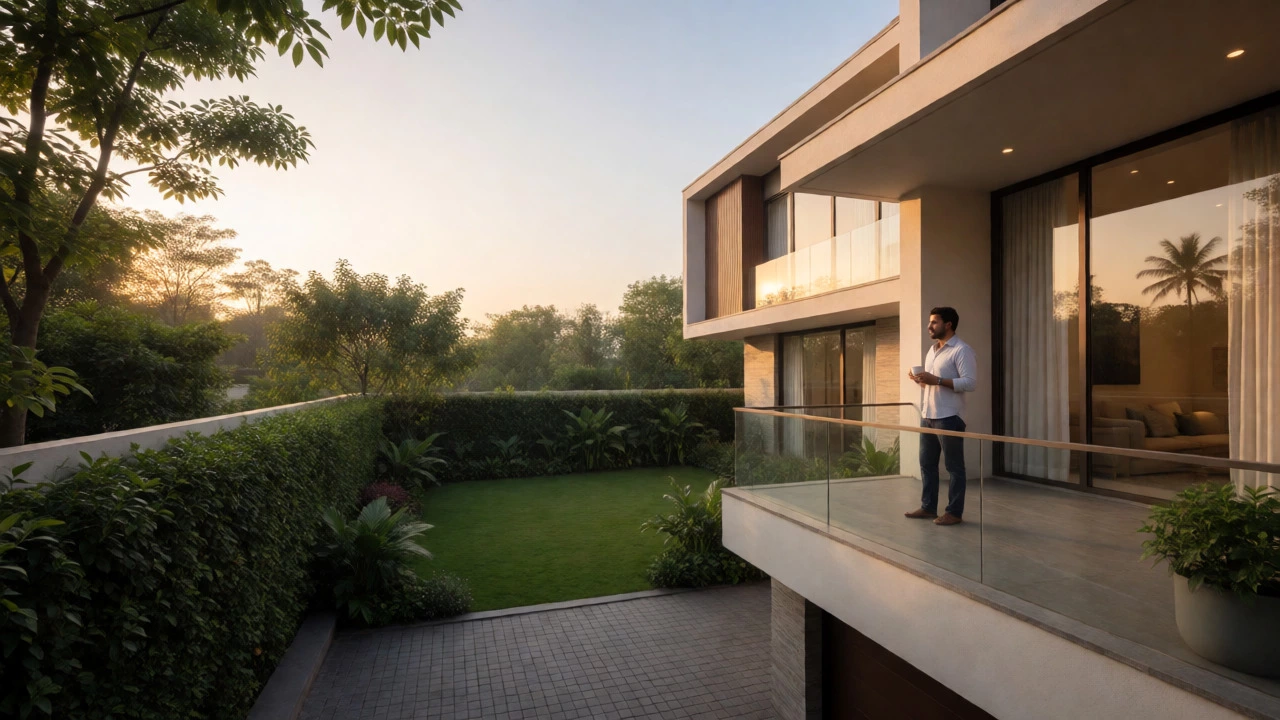
You’re standing in your kitchen. It’s 7 AM. No elevator ding. No neighbor’s dog barking through the drywall. No shared hallway smell of someone else’s burnt toast. Just you, the coffee maker, and a view of your own garden. This isn’t a fantasy; it’s a Tuesday morning for a villa owner.
A villa is a detached or semi-detached residential property that typically features multiple floors, private outdoor space, and distinct living zones. But defining it by architecture misses the point. People don’t buy villas because they like stairs. They buy them because apartments feel like waiting rooms. So, what do villas actually provide? Is it just square footage, or is there something deeper about control, privacy, and asset value that makes the higher price tag worth it?
The Privacy Premium: Why Walls Matter More Than Square Footage
In an apartment complex, privacy is a negotiation. You share walls, ceilings, and floors with strangers. In a villa, privacy is structural. The physical separation from neighbors means sound travels differently. You can play music at 10 PM without checking if the unit above you has sensitive ears. You can host a barbecue on your terrace without worrying about smoke drifting into someone’s open window.
This isn’t just about noise reduction. It’s about psychological space. Studies in environmental psychology suggest that perceived lack of control over one’s environment increases stress. When you live in a villa, you control the boundaries. You decide when to open the windows, where to plant the hedges, and whether the gate stays open or closed. That autonomy reduces cognitive load. You stop tracking other people’s habits and start focusing on your own routine.
Consider the entryway. In a high-rise, you walk down a communal corridor, often lined with shoes and bikes. In a villa, your driveway leads directly to your door. There’s no transitional public space. You move from the street to your private domain instantly. For families with young children or pets, this immediate transition from public to private is invaluable. It creates a clear mental switch between “outward mode” and “home mode.”
Outdoor Living: The Garden as a Functional Room
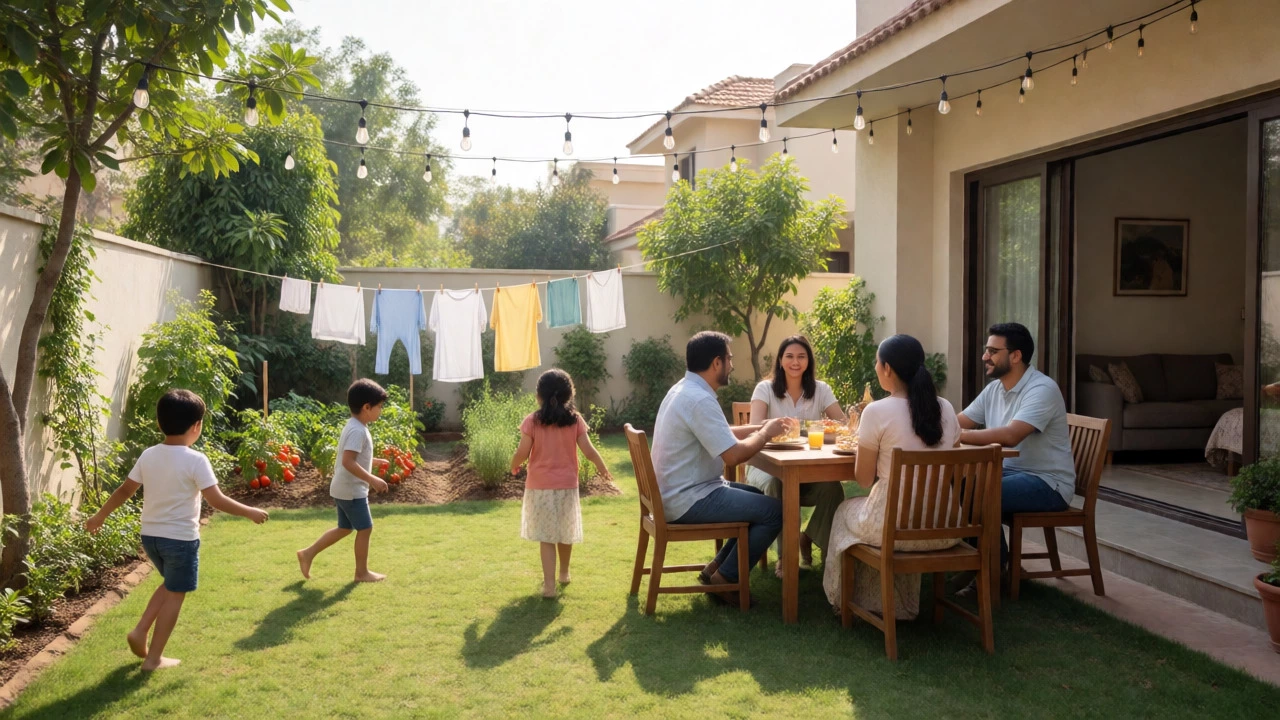
Most apartments offer a balcony. Some offer a small patio. A villa offers land. This distinction changes how you use your home. Outdoor space in a villa isn’t just decoration; it’s an extension of your living area. You can treat the garden as a third bedroom, a gym, or a dining room.
Let’s look at utility. In a city apartment, drying clothes might mean buying a dehumidifier or using a dryer that spikes your electric bill. In a villa, you hang laundry on a line in the sun. It costs nothing, smells better, and extends the life of your fabrics. You can store bicycles, gardening tools, or seasonal decorations in a shed rather than cluttering your garage or closet.
For those interested in wellness, the ability to grow food is a tangible benefit. Even a modest 20x20 foot plot can yield tomatoes, herbs, and peppers. This isn’t just hobby farming; it’s access to fresh produce without the markup of organic grocery stores. Plus, the act of gardening itself lowers cortisol levels. You’re not just maintaining a lawn; you’re engaging in daily therapy.
| Feature | Apartment Balcony | Villa Garden/Yard |
|---|---|---|
| Average Area | 50-150 sq ft | 1,000-5,000+ sq ft |
| Primary Use | Storage, occasional seating | Dining, recreation, gardening, storage |
| Pet Freedom | Limited (requires walks) | High (off-leash potential) |
| Maintenance Responsibility | Community managed (often) | Owner managed (full control) |
Space Configuration: Designing Your Own Flow
Villas rarely come with the rigid floor plans of modern condos. Because they are often built on larger plots, they allow for vertical expansion and horizontal spread. This flexibility lets you design spaces around your actual life, not a developer’s guesswork.
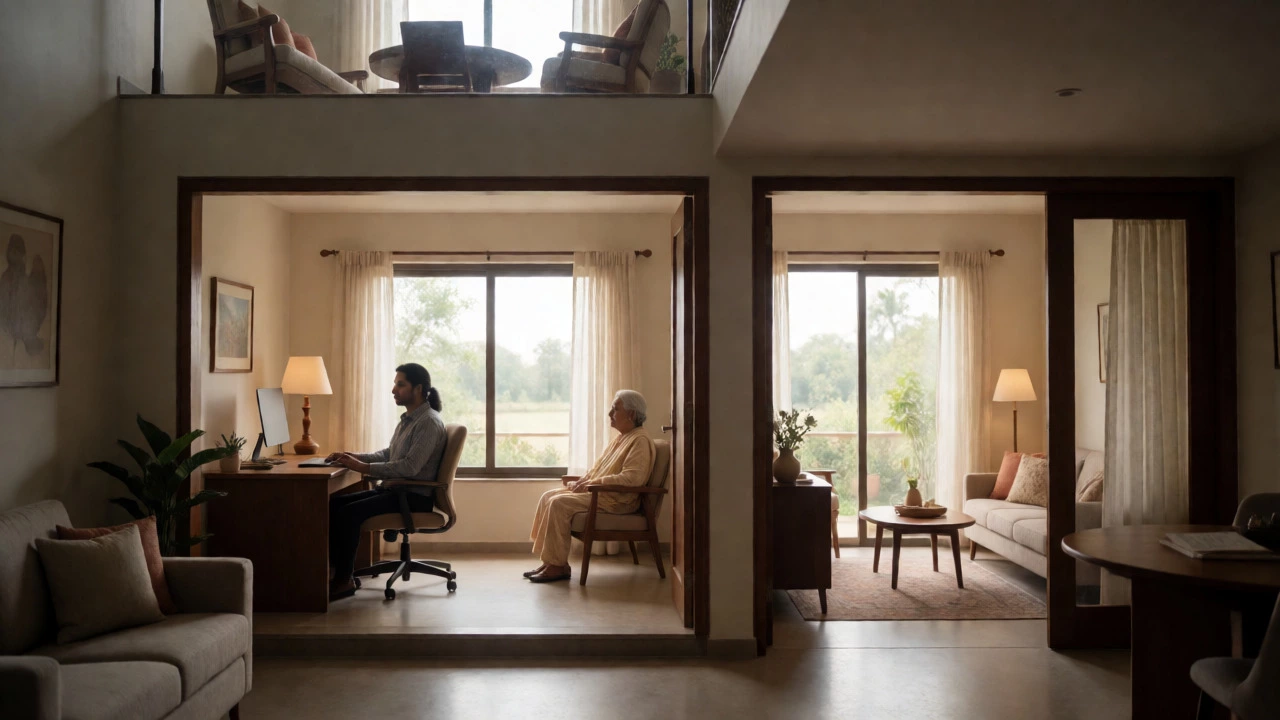
Do you work from home? In an apartment, your office might be a corner of the bedroom or a converted closet. In a villa, you can dedicate an entire wing or a ground-floor annex to work. This physical separation helps maintain work-life balance. When you close the office door, you leave work behind. You don’t have to mentally compartmentalize while sitting on the same couch where you relax.
Multi-generational living is another strong suit. Villas often feature separate entrances or self-contained guest suites. This allows elderly parents or adult children to live independently within the family compound. You get proximity without the friction of shared bathrooms or kitchen schedules. It’s a practical solution to rising housing costs and aging populations, turning a single asset into a multi-household income source or support system.
Investment Potential: Appreciation and Rental Yields
Real estate investors often debate land versus structure. Villas usually offer a better balance. While apartments depreciate faster due to building wear and tear, the land component of a villa tends to appreciate steadily. Land is finite. As cities expand outward, plots become scarcer, driving up value.
Rental demand for villas differs from apartments too. Tenants renting villas are often expatriates, large families, or corporate executives who prioritize privacy and space over location convenience. These tenants tend to stay longer. Turnover rates for villas are generally lower than for short-term rental apartments. Less turnover means less vacancy loss and fewer costs for cleaning and repainting between leases.
However, liquidity is a trade-off. Selling a villa takes longer than selling a two-bedroom apartment. The buyer pool is smaller because the price point is higher. If you need quick cash access, a villa might not be the best choice. But if you’re playing the long game-holding for five to ten years-the capital gains on prime villa locations often outperform urban apartments.
Maintenance Reality: The Cost of Ownership
Here’s the catch: freedom comes with chores. In an apartment, the Homeowners Association (HOA) handles roof repairs, exterior painting, and landscaping. In a villa, you are the HOA. If the roof leaks, you call the contractor. If the fence breaks, you fix it. If the trees grow too tall, you trim them.
Budget accordingly. Experts recommend setting aside 1% to 3% of the property’s value annually for maintenance. For a $500,000 villa, that’s $5,000 to $15,000 a year. This covers HVAC servicing, pest control, gutter cleaning, and unexpected repairs. It’s not optional money; it’s essential. Ignoring it leads to compounding problems. A small leak ignored today becomes a mold remediation project next year.
Utilities also differ. Heating and cooling a multi-story home costs more than a compact apartment. Insulation quality matters significantly here. Older villas may need upgrades to double-glazed windows or attic insulation to keep energy bills manageable. Newer builds often include smart thermostats and zoning systems to optimize efficiency, but retrofitting older properties requires upfront capital.
Lifestyle Impact: Community vs. Exclusivity
Villa communities vary widely. Gated developments offer security and shared amenities like pools or gyms, blending some apartment conveniences with villa privacy. Standalone villas offer total isolation but require you to build your own community network.
For families, the neighborhood dynamic shifts. Kids can ride bikes safely on quiet streets rather than navigating busy sidewalks. Neighbors know each other better because interactions happen naturally over fences or during yard work. This fosters a sense of belonging that high-rises struggle to replicate. However, it also means less anonymity. Everyone knows when you’re away on vacation. Security systems become crucial not just for theft prevention, but for peace of mind.
Socially, villas facilitate hosting. You can invite twenty people for dinner without squeezing everyone onto a sectional sofa. You can set up tables outside. You can let kids run wild in the yard. This capacity to gather easily strengthens social bonds. Friendships deepen when you can comfortably entertain at home, reducing the reliance on expensive restaurants or event venues.
Who Should Buy a Villa?
Villas aren’t for everyone. They suit people who value autonomy, have time for maintenance, and seek long-term stability. If you travel frequently for work and prefer zero responsibility, an apartment might serve you better. If you’re a first-time buyer with limited budget, the hidden costs of villa ownership can strain finances.
But if you crave space, privacy, and the ability to customize your living environment, a villa provides what no other property type can: true ownership of your surroundings. You’re not just buying a box to sleep in; you’re buying the right to shape your daily experience.
Are villas harder to sell than apartments?
Yes, generally speaking. The market for villas is smaller because the price point is higher and the target demographic is narrower. While apartments often sell within weeks, villas may take several months to find the right buyer. However, once sold, villas often command stronger profit margins due to land appreciation.
What are the main ongoing costs of owning a villa?
Beyond mortgage payments and property taxes, owners must budget for utilities (which are higher due to size), landscaping, exterior maintenance, and insurance. Unlike apartments, there is no monthly HOA fee covering major repairs, so owners must self-fund these expenses. A common rule of thumb is to reserve 1-3% of the property value annually for upkeep.
Can I rent out part of my villa?
Absolutely. Many villa designs include accessory dwelling units (ADUs) or separate guest wings. Renting out these spaces can offset mortgage costs. Long-term rentals to professionals or students are common, as are short-term holiday rentals in tourist areas. Check local zoning laws to ensure subdividing or renting is permitted in your specific municipality.
Do villas hold their value better than apartments?
Historically, yes, primarily because land appreciates while buildings depreciate. An apartment’s value is tied closely to the building’s age and condition. A villa’s value includes the land beneath it, which is scarce. In growing cities, land scarcity drives villa prices up more consistently than apartment prices, which can stagnate if newer complexes offer better amenities.
Is security better in villas or apartments?
It depends on the setup. High-rise apartments often have concierges, CCTV, and controlled access points, offering passive security. Standalone villas rely on active measures like alarms, cameras, and gates. Gated villa communities offer a middle ground, providing both perimeter security and individual property protection. Generally, apartments offer more consistent, low-effort security, while villas offer customizable, high-control security.