
Virginia Rent Increase Impact Calculator
Analysis Results
Enter your rent details to see the annual impact and your legal standing in Virginia.
Quick Takeaways for Virginia Renters
- No statewide rent control or rent caps exist in Virginia.
- Landlords can raise rent to any amount unless your lease says otherwise.
- Rent increases typically happen at the end of a lease term or during a month-to-month agreement.
- Local municipalities (like Alexandria or Fairfax) cannot pass their own rent caps due to state law.
The Reality of Rent Control in the Old Dominion
When we talk about a "rent cap," we're usually talking about Rent Control, which is a government regulation that limits how much a landlord can increase the rent for a particular property. In some states, like California or New York, there are strict percentages (like 3% or 5%) that limit annual increases. Virginia is the opposite. The state follows a pro-landlord philosophy, ensuring that property owners have the freedom to adjust prices based on the current market value.
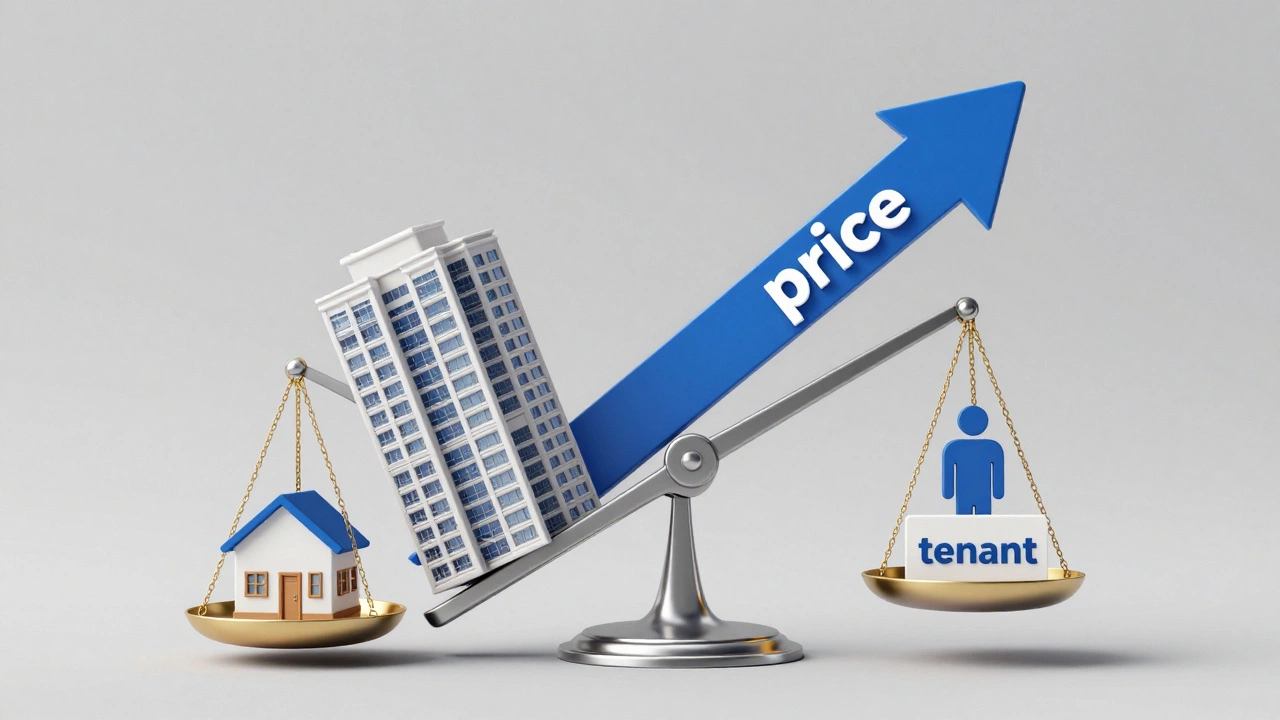
You won't find a state-mandated limit on rent hikes here. Whether you live in a luxury high-rise in Arlington or a small cottage in Roanoke, the market dictates the price. If the demand for housing in your neighborhood spikes because a new tech hub opens or a university expands, your landlord can raise the rent to match that new demand. The only thing keeping the price from jumping overnight is the contract you signed.
How the Virginia Residential Landlord and Tenant Act Works
While there is no cap on the Virginia rent cap or price, there are rules about how the process happens. Most rentals are governed by the Virginia Residential Landlord and Tenant Act (VRLTA). This is the set of laws that defines the legal relationship between landlords and tenants in the state of Virginia. It doesn't stop rent increases, but it does set the ground rules for the lease agreement.
If you have a fixed-term lease (for example, a 12-month agreement), your landlord cannot raise the rent until that lease expires. If you signed a contract for $1,500 a month for one year, they can't suddenly decide in month six that you owe $1,700. However, the moment that lease ends, everything changes. If you don't sign a new long-term lease, you usually move into a "month-to-month" status. At this point, the landlord can raise the rent with proper notice-usually 30 days, though your specific lease might require more.
| Scenario | Can Rent Increase? | When? | Requirement |
|---|---|---|---|
| Fixed-Term Lease | No | After lease expires | Wait until term ends |
| Month-to-Month | Yes | Any time | Proper notice (usually 30 days) |
| Lease Renewal | Yes | Start of new term | Agreement on new price |
Can Local Cities Pass Their Own Rent Caps?
You might think, "I live in a city with a high cost of living; surely the city council can stop this." Unfortunately, Virginia has a law that prevents local governments from implementing rent control. This is known as state preemption. The Virginia General Assembly has made it clear that the state, not the city or county, controls these policies. This means that even if the city of Alexandria or the city of Fairfax wanted to protect renters from price gouging, they legally cannot do so.
This creates a massive gap between Virginia and some of its neighbors. While some municipalities in Maryland might have different approaches, Virginia remains a completely free-market zone for residential rentals. This is why you often see sudden, sharp jumps in rent in areas like Tysons Corner or near the Pentagon-there is simply no legal mechanism to stop it.
What to Do When Your Rent Spikes
Since you can't rely on a law to cap your rent, your best tool is negotiation. Landlords hate "turnover." Turnover means the apartment sits empty for a month, they have to pay for professional cleaning, and they have to spend money on marketing. A good tenant who pays on time and doesn't cause trouble is worth a lot of money to a landlord.
When you receive a notice of a rent increase, don't just accept it or move out immediately. Try these steps:
- Research the market: Look at similar apartments on Zillow or Apartments.com. If your landlord is asking for $2,200 but similar units are going for $2,000, you have leverage.
- Highlight your value: Remind the landlord that you've never missed a payment and you've taken care of the property.
- Offer a longer lease: Landlords love stability. If you offer to sign an 18-month or 24-month lease instead of 12, they might be willing to lower the monthly increase in exchange for the guaranteed occupancy.
- Request a smaller increase: If they want $200 more, ask if they'd settle for $100. Often, they'll meet you in the middle.
Common Pitfalls and Red Flags
Be careful with "verbal agreements." In Virginia, if it isn't in writing, it basically didn't happen. If your landlord says, "Don't worry about the increase for another two months," get that in an email or a signed memo. Otherwise, they can technically charge you the higher rate or claim you're in arrears.
Another common mistake is ignoring the notice period. If your lease says the landlord must give you 60 days' notice for a rent increase, and they only give you 30, that increase is not legally enforceable for the first month. Read your lease carefully. The Lease Agreement is the only "law" that actually limits your rent in Virginia.
Comparing Virginia to Other Rent Environments
To put things in perspective, let's look at how Virginia compares to states with different philosophies. In a "Strong Rent Control" state, the government might decide that rent can only increase by the rate of inflation. In Virginia, the government decides that the landlord knows the value of the property best.
This approach generally leads to higher turnover and faster price adjustments. It also means that while it's harder for long-term tenants to keep their rent low, it's theoretically easier for new renters to find "deals" if a landlord has overpriced their unit and no one is moving in. However, in high-demand areas, this usually just means prices go up faster than wages can keep up.
Is there any limit on how much a landlord can raise rent in Virginia?
No, there is no statewide or local limit on the amount a landlord can increase rent. They can raise it to any amount they believe the market will support, as long as they follow the notice requirements listed in the lease agreement.
How much notice does a landlord have to give before raising the rent?
The notice period depends on your lease. For month-to-month agreements, 30 days is the standard, but you must check your specific contract. If you are in a fixed-term lease, they cannot raise the rent until the term ends.
Can I fight a rent increase in Virginia?
Legally, you cannot "fight" a rent increase based on the amount, because there is no cap. However, you can negotiate with your landlord or check if the landlord failed to provide the legally required notice period.
Does the VRLTA protect me from rent hikes?
The Virginia Residential Landlord and Tenant Act (VRLTA) regulates the conduct of landlords and tenants, but it does not set price controls. It ensures the process is legal, but it does not limit the price of the rent.
What happens if I refuse to pay the increased rent?
If the increase was legal (given with proper notice at the end of a lease), refusing to pay can lead to an eviction filing. In Virginia, the eviction process can move quickly, so it is better to negotiate or move out before the new rate takes effect.
What's Next?
If you're facing a massive rent hike, your first move should be to audit your lease agreement. Look for any clauses regarding "renewal options" or "rent escalation caps" that you might have negotiated when you first moved in. If the lease is silent on the matter, your only move is negotiation or relocation.
For those looking to move, consider looking at areas slightly further from the major transit hubs. Often, moving just ten minutes further away from a Metro station in Northern Virginia can save you hundreds of dollars a month, as the "convenience premium" drops off quickly.