Villa vs Townhouse: Total Cost & Lifestyle Calculator
🏠Villa Inputs
🏘️Townhouse Inputs
Comparison Results
Villa Ownership
Total 10-Year Cost
- Upfront: $0
- Maintenance (10yr): $0
- HOA Fees: $0
- Outdoor Space: Private
Townhouse Ownership
Total 10-Year Cost
- Upfront: $0
- Maintenance (10yr): $0
- HOA Fees (10yr): $0
- Privacy: Shared Walls
Lifestyle Analysis
Recommendation
You’ve probably scrolled through property listings and paused at two very different homes. One is a sprawling standalone house with a massive garden. The other is a sleek, multi-story home attached to its neighbors. You might wonder if you’re looking at the same thing under different names. The short answer is no. There is a significant difference between a villa and a townhouse.
Understanding these differences isn’t just about semantics. It affects your privacy, your maintenance responsibilities, your neighborhood vibe, and ultimately, how much you pay. If you are deciding which one fits your lifestyle, you need to look beyond the photos and understand the structural and legal realities of each property type.
The Core Definition: Standalone vs Attached
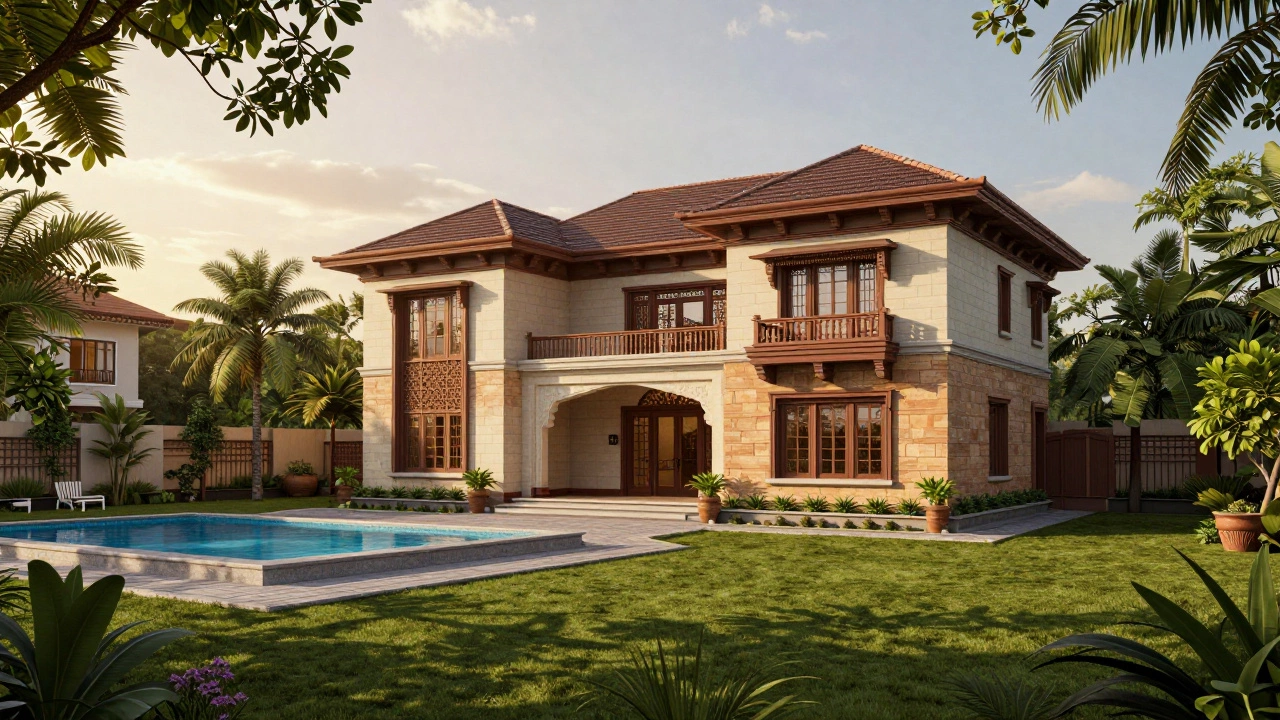
The most fundamental difference lies in the physical structure. A Villa is a detached, single-family residence that stands alone on its own plot of land. When you buy a villa, you own the building and the ground it sits on. No walls are shared with another household. This detachment is the defining feature of a villa.
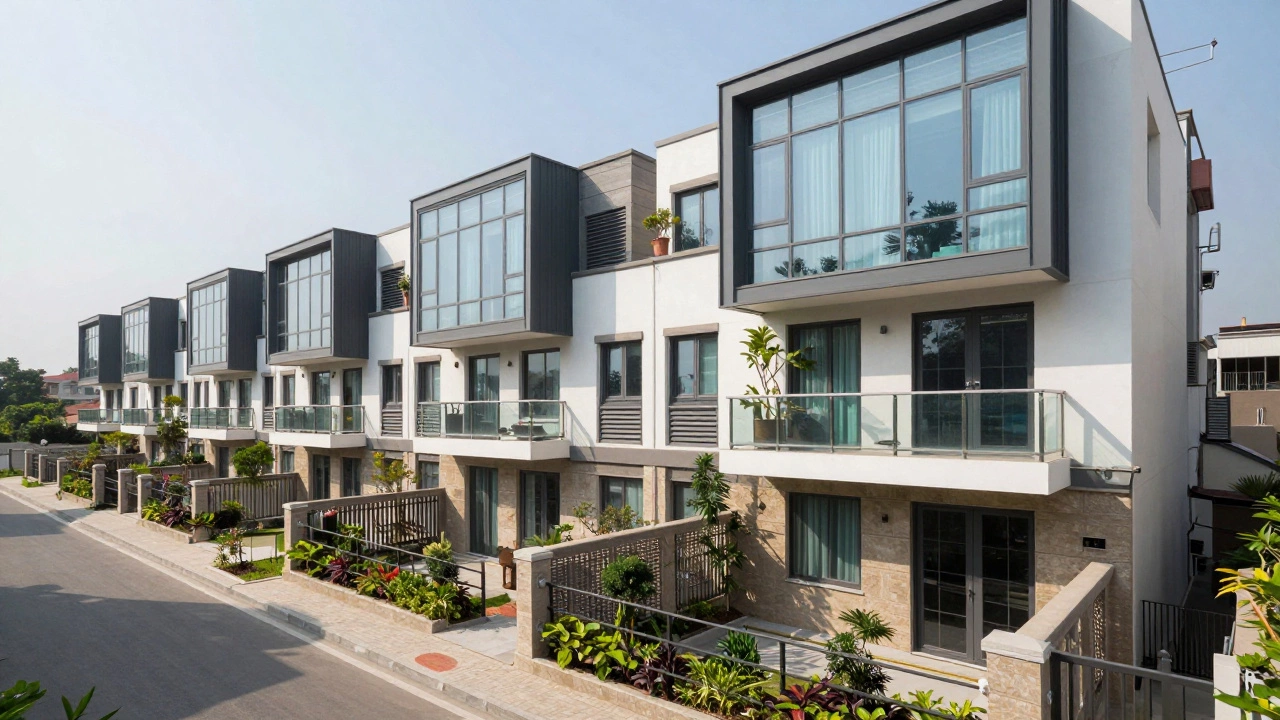
In contrast, a Townhouse is a multi-floor home that shares at least one wall with adjacent properties. Townhouses are part of a row or a cluster. They are designed to maximize space in denser areas by stacking living areas vertically and connecting units horizontally. While they feel like houses inside, their exterior footprint is connected.
This structural difference drives every other aspect of ownership. Because villas are detached, they offer complete separation from neighbors. Townhouses, by virtue of being attached, create a more communal environment but reduce absolute privacy.
Land Ownership and Outdoor Space
When you purchase a villa, you typically acquire exclusive rights to the surrounding land. This means you have a private yard, driveway, and potentially a large garden. You decide what goes on that land. Want to build a pool? Plant an orchard? Build a shed? As long as local zoning laws allow it, it’s your call. The land value often appreciates independently of the house itself.
Townhouse owners usually have limited outdoor space. Most townhouses come with a small front patio and a rear courtyard or balcony. You do not own the entire plot of land beneath and around the building. Instead, you own the airspace within your unit’s boundaries and share common areas like walkways, landscaping zones, or parking lots with other residents. This shared responsibility is managed through a Homeowners Association (HOA).
| Feature | Villa | Townhouse |
|---|---|---|
| Lot Size | Large, exclusive plot | Small or none; shared grounds |
| Garden/Yard | Private, customizable | Limited patio/courtyard |
| Parking | Private driveway/garage | Assigned spots or shared lot |
| Expansion Potential | High (additions allowed) | Low (structural limits) |
Privacy and Noise Levels
Privacy is the biggest trade-off. In a villa, your only neighbors are those across the street or down the road. Sound travels less easily because there are no shared walls. You can play music, host late-night gatherings, or simply enjoy silence without worrying about disturbing someone who lives inches away behind a drywall partition.
Townhouses require a different mindset. You share party walls with neighbors on one or both sides. Footsteps from the unit above, plumbing noises, and conversations can travel through shared structures. While modern construction uses soundproofing materials, it is rarely perfect. If you work from home or value quiet evenings, this is a critical factor. Additionally, townhouses often have higher foot traffic in shared entrances or hallways, reducing the sense of seclusion.
Maintenance Responsibilities
Buying a villa means you are responsible for everything. The roof leaks? You hire a roofer. The lawn grows wild? You mow it or hire a landscaper. The gutter clogs? You clean it. This autonomy gives you control over quality and timing but adds significant time and financial burden. You must budget for unexpected repairs and routine upkeep.
Townhouse ownership shifts some of this burden to the HOA. The association typically handles exterior maintenance, including roof repairs, siding painting, and common area landscaping. For many buyers, this is a major selling point. You trade some freedom for convenience. However, this convenience comes with monthly HOA fees, which can range from $200 to over $1,000 depending on the amenities provided. These fees cover insurance for the building structure, reserve funds for major repairs, and services like trash collection or security.
Cost and Affordability
Generally, villas cost more than townhouses in the same location. You are paying for the land, the larger square footage, and the exclusivity. In high-demand urban areas, a villa might be out of reach for first-time buyers, while a townhouse offers a foothold into homeownership at a lower price point. Townhouses are often priced per square foot similarly to apartments but offer more interior space and multiple levels.
However, the total cost of ownership tells a fuller story. While the upfront price of a townhouse is lower, the recurring HOA fees add up over time. A villa has no HOA fees, but you must account for higher utility bills due to larger spaces and the cost of self-managed maintenance. Over ten years, the gap in total expenditure may narrow, especially if the townhouse HOA raises fees significantly.

Resale Value and Market Demand
Villas tend to hold their value well, particularly in suburban or rural markets where land scarcity is low. Buyers seeking space and privacy consistently drive demand for detached homes. In areas with strong school districts or family-friendly communities, villas often appreciate faster than attached housing.
Townhouses appeal to a specific demographic: young professionals, downsizers, and investors. They are popular in urban centers where land is expensive and transit access is key. Resale value depends heavily on the management quality of the HOA. A well-run association with healthy reserves boosts property values. Poorly managed associations with special assessments can deter buyers and stagnate prices. Location remains king for both, but townhouses are more sensitive to neighborhood dynamics.
Which One Fits Your Lifestyle?
Choosing between a villa and a townhouse comes down to your priorities. Ask yourself these questions:
- Do you crave space and solitude? If yes, a villa is likely the better choice. The ability to expand, modify, and enjoy private outdoor areas is unmatched.
- Are you willing to handle maintenance? If you dislike dealing with contractors or seasonal chores, a townhouse’s included services will save you stress.
- Is budget your primary constraint? Townhouses often provide a lower entry price, allowing you to enter the market sooner. Villas require a larger initial investment.
- Do you prefer community interaction? Townhouses foster closer neighbor relationships due to shared spaces and proximity. Villas offer more isolation.
There is no universally superior option. A villa suits families, remote workers needing quiet, and those who view their home as a long-term legacy asset. A townhouse suits urban dwellers, minimalists, and investors looking for manageable rental properties. Evaluate your daily habits, financial flexibility, and future plans before making a decision.
Can a townhouse be considered a villa?
No. While marketing terms can sometimes blur lines, a true villa is detached and stands alone on its land. A townhouse is attached to neighboring units via shared walls. The structural connection defines a townhouse, whereas independence defines a villa.
Are villas always more expensive than townhouses?
In the same geographic area, yes. Villas command a premium due to land ownership, larger size, and privacy. However, a luxury townhouse in a prime city center can cost more than a modest villa in a rural or less desirable suburb. Always compare properties within the same neighborhood for accurate pricing.
Who pays for roof repairs in a townhouse?
Typically, the Homeowners Association (HOA) covers roof repairs for townhouses since the roof is considered a common element. However, check your specific HOA bylaws. Some associations may charge individual owners for damages caused by negligence or if the repair is deemed cosmetic rather than structural.
Can I rent out my townhouse or villa?
Yes, but restrictions vary. Villas generally have fewer rental restrictions unless local zoning laws prohibit short-term rentals. Townhouses are governed by HOA rules, which may ban rentals entirely, limit them to long-term leases, or impose caps on the number of rental units in the complex. Always review HOA covenants before buying for investment purposes.
Do townhouses appreciate in value as much as villas?
Appreciation rates depend on location and market trends. In growing urban areas, townhouses can appreciate rapidly due to high demand and limited supply. Villas in stable suburban markets tend to appreciate steadily. Generally, land-heavy properties like villas have stronger long-term value retention, but townhouses can outperform in hot real estate markets.