Cow Profitability Estimator
Estimate your potential returns before buying that smallholding. Adjust the variables below to see how feed costs, market prices, and management style impact your bottom line.
Enter your parameters and click calculate to see your projected annual net profit.
You see a listing for a smallholding with grazing land. The seller mentions "potential for livestock." You picture ten cows standing in a green field, and you start doing mental math. How much cash could actually drop into your bank account from those ten animals? It is not just about selling milk or meat. It is about feed costs, vet bills, housing, and the brutal reality of market prices. If you are thinking of buying rural property to start a micro-farm, understanding the profit from 10 cows is the first step before signing any deed.
The answer depends entirely on what you do with them. Are they dairy cows, like Holsteins, designed to produce gallons of milk daily? Or are they beef cattle, like Angus, raised to be sold for meat? These two paths have completely different financial structures. Dairy offers steady monthly income but high operational stress. Beef offers lump-sum payments but requires patience and capital tied up for months or years.
The Dairy Model: Steady Drip vs. High Overhead
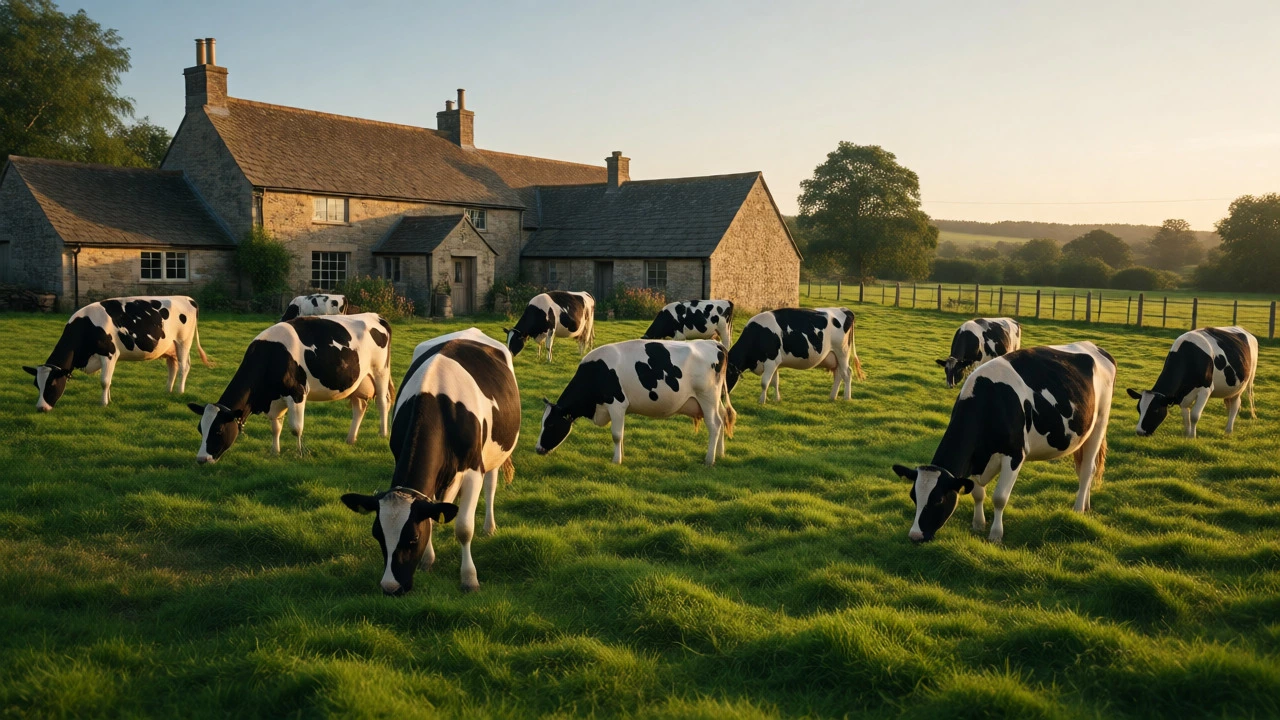
Let's look at dairy first. Imagine you buy ten healthy Holstein heifers. They cost roughly £1,500 to £2,000 each upfront. That is your initial stake. Now, the work begins. A good dairy cow produces about 8 to 10 gallons of milk per day. But here is the catch: they only produce milk after giving birth. So, you need a calving schedule. You cannot just buy ten cows and expect milk forever. You need bulls or artificial insemination services.
In the UK, raw milk prices fluctuate. As of late 2026, farm-gate prices hover around 45-50 pence per liter. Let's assume a conservative 45p. Ten cows producing 30 liters (approx 6.6 gallons) a day gives you 300 liters total. At 45p, that is £135 a day gross revenue. Sounds great, right? Not so fast. You have to subtract the cost of keeping them alive. Feed is the biggest killer. A milking cow eats expensive silage, hay, and grain concentrates. This can cost £10-£15 per cow per day. For ten cows, that is £100-£150 gone before you pay yourself.
- Gross Revenue: ~£49,000 per year (based on average yield).
- Feed Costs: ~£40,000 - £50,000 per year.
- Vet & Breeding: ~£2,000 per year.
- Milking Equipment Maintenance: ~£1,000 per year.
For a small herd of ten, economies of scale are missing. You might break even or make a tiny profit if you own the land and do all the labor yourself. If you hire help, you likely lose money. Dairy is a volume game. Ten cows is often too few to cover fixed costs unless you sell premium artisanal milk directly to neighbors at double the commodity price.
The Beef Model: The Long Game
Beef cattle are simpler operationally but slower financially. You buy calves or young steers, let them graze on grass, and sell them when they reach slaughter weight (usually 18-24 months). Here, the land quality matters more than the animal's genetics. Good grass means lower feed bills. In many parts of the UK, particularly Scotland or Wales, you can finish cattle on grass alone during summer, supplementing with hay in winter.
Let's say you buy ten weaned calves for £800 each. Total investment: £8,000. They grow on your pasture. Your main costs are fencing repairs, mineral supplements, and winter feed. Let's estimate £300 per head per year in overheads. After 18 months, you sell them. Finished steer weights vary, but let's assume 600kg live weight. With current market rates around £2.50 per kg, each animal sells for £1,500. Ten animals bring in £15,000.
| Item | Cost/Revenue Per Head | Total for 10 Heads |
|---|---|---|
| Purchase Calves | -£800 | -£8,000 |
| Feed & Care (18 mo) | -£450 | -£4,500 |
| Sale Price | +£1,500 | +£15,000 |
| Net Profit | +£250 | +£2,500 |
A net profit of £2,500 over 18 months isn't a salary. It is side income. However, if you keep some females for breeding, you build a self-sustaining herd. The value lies in asset appreciation and eventual culling of older cows, which fetch higher prices than young steers.
The Hidden Costs Nobody Mentions
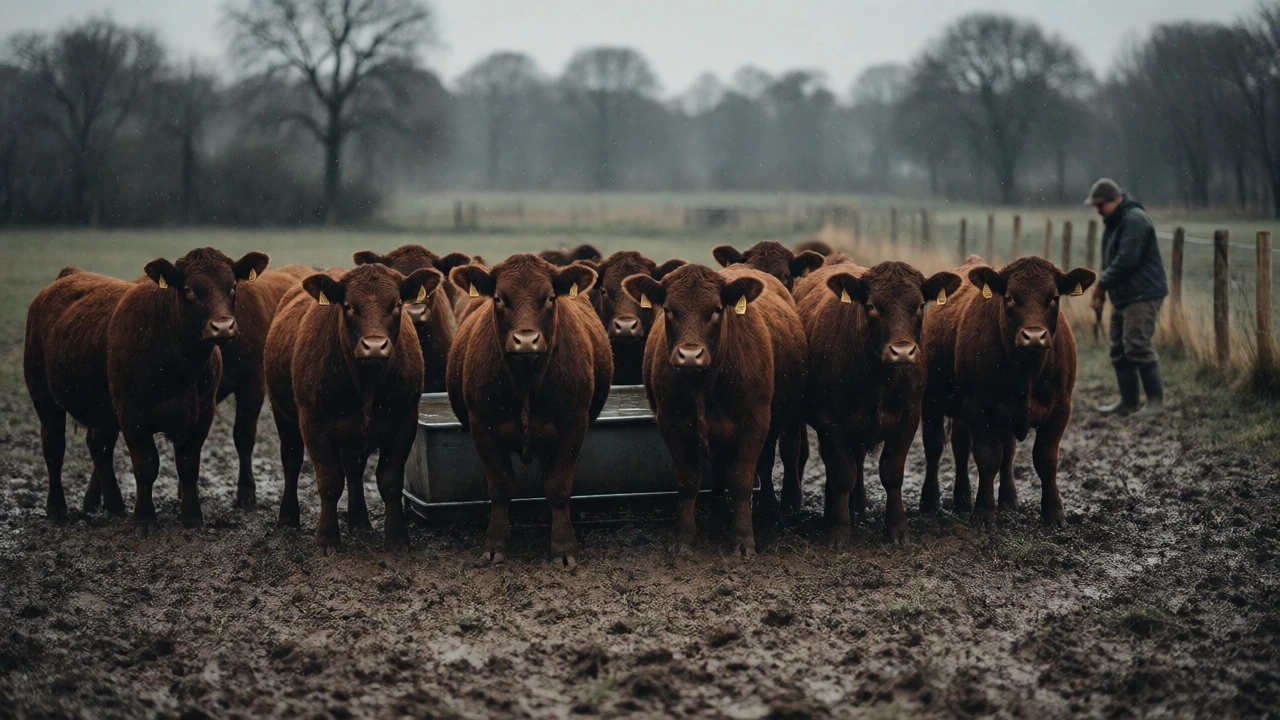
Most beginners forget the infrastructure. You cannot put ten cows on a plot without proper boundaries. Fencing must be stock-proof. Steel post-and-rail fencing costs significantly more than electric mesh. For a typical smallholding, installing secure fencing for 5-10 acres can cost £5,000 to £10,000 upfront. Is this included in the villa price? Check the title deeds carefully.
Then there is waste management. Ten cows produce roughly 100-150kg of manure per day. You need a slurry pit or a composting area. Environmental regulations in the UK are strict. You cannot just dump manure anywhere. You need a nutrient management plan. If your land is too small, you might face fines or be forced to remove the animals. This legal hurdle is why many people buy villas with "barns"-the existing infrastructure saves thousands.
Land Requirements: How Much Space Do You Need?
This ties directly back to real estate. Can you keep ten cows on a standard suburban garden? No. The general rule of thumb in the UK is one dairy cow per 2-3 acres of good grazing land. For beef, it can be slightly less intensive if you supplement with bought-in feed, but aim for at least 5-8 acres to avoid destroying the soil. If you are looking at properties listed under Land for Sale, check the acreage against these numbers. Buying a house with 2 acres and trying to keep ten cows will result in muddy paddocks and sick animals.
Water access is another critical factor. Cows drink 50-100 liters of water per day. In dry summers, natural ponds dry up. You need a reliable trough system connected to mains water or a borehole. Installing this plumbing adds to your setup costs. When viewing potential properties, ask about water rights and drainage capacity.
Value-Added Options: Boosting Your Margins
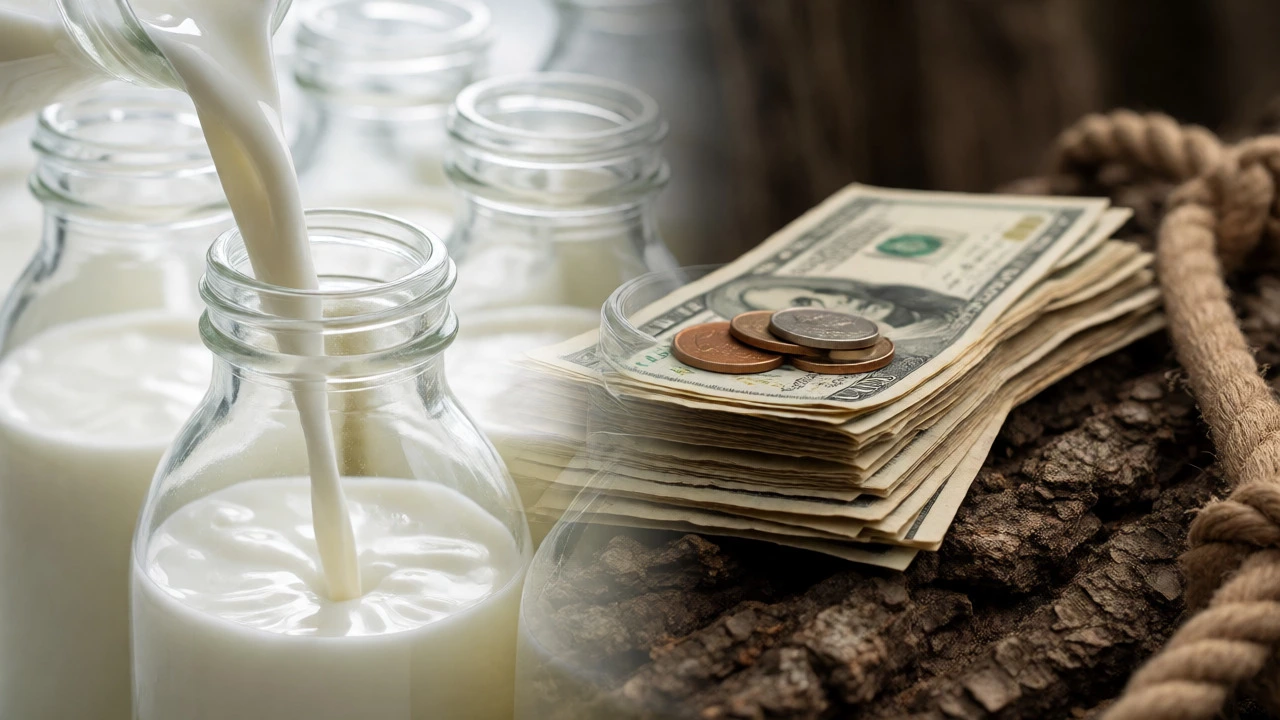
If you want to make serious money from ten cows, don't sell commodities. Sell experiences or premium products. Direct-to-consumer sales bypass the middleman. Selling raw milk in reusable glass bottles to locals can double your revenue compared to selling to a processor. Similarly, selling whole boxes of beef directly from your freezer eliminates abattoir fees and retail markups.
Consider agritourism. Some owners rent out camping spots on their land while the cows graze nearby. This generates extra income that offsets feed costs. It turns the liability of maintenance into an asset. Another option is renting out the grazing rights to a neighbor who has no land but wants to keep horses or sheep. This passive income covers your fencing and insurance costs.
Is It Worth It for a Villa Owner?
Owning a villa with land is a lifestyle choice. Adding ten cows changes that lifestyle drastically. You are now a farmer. You cannot leave for holidays easily because someone needs to milk or feed them. Vet emergencies happen at 3 AM. Winter storms require emergency hay deliveries.
However, the satisfaction of self-sufficiency is real. You eat better food. You know exactly where it came from. And yes, you can make a profit, but think of it as covering your property taxes and maintenance rather than replacing a full-time job. For most villa owners, ten cows provide a modest supplemental income of £2,000-£5,000 annually, depending on efficiency and market conditions. It keeps the land maintained and prevents scrub growth, which can actually increase property value by demonstrating active agricultural use.
How many acres do I need for 10 cows?
You typically need 5 to 10 acres of good quality grazing land for 10 cows. This assumes you have adequate rotational grazing systems. Poorer land may require up to 15 acres to support the same number of animals without degrading the soil.
Can I make a living from 10 cows?
Generally, no. Ten cows generate enough income to cover minor expenses or provide side income, but rarely enough to replace a full-time salary due to high fixed costs and limited economies of scale. Most successful smallholders combine livestock with other ventures like tourism or crop sales.
What is the difference between dairy and beef profitability?
Dairy offers regular monthly cash flow but has very high daily operating costs and labor requirements. Beef has lower daily costs but ties up capital for 18-24 months with a single payout event. Dairy is riskier regarding daily operations; beef is riskier regarding market timing and long-term health of the herd.
Do I need planning permission to keep cows on my land?
In the UK, keeping livestock usually falls under agricultural permitted development rights if the land is already classified as agricultural. However, building new barns, slurry stores, or changing the primary use of residential land may require planning permission. Always check with your local council.
What breeds are best for small holdings?
For beef, Aberdeen Angus and Hereford crosses are popular for their hardiness and good meat quality. For dairy, Jersey cows are efficient grazers with high butterfat milk, suitable for smaller land areas, while Holsteins require more feed and space.