Tennessee Home Build Cost Estimator (2026)
Configure Your Build
Estimated Total Budget
| Hard Costs | $360,000 |
| Soft Costs | $90,000 |
| Site Work | $60,000 |
| Contingency (10%) | $60,000 |
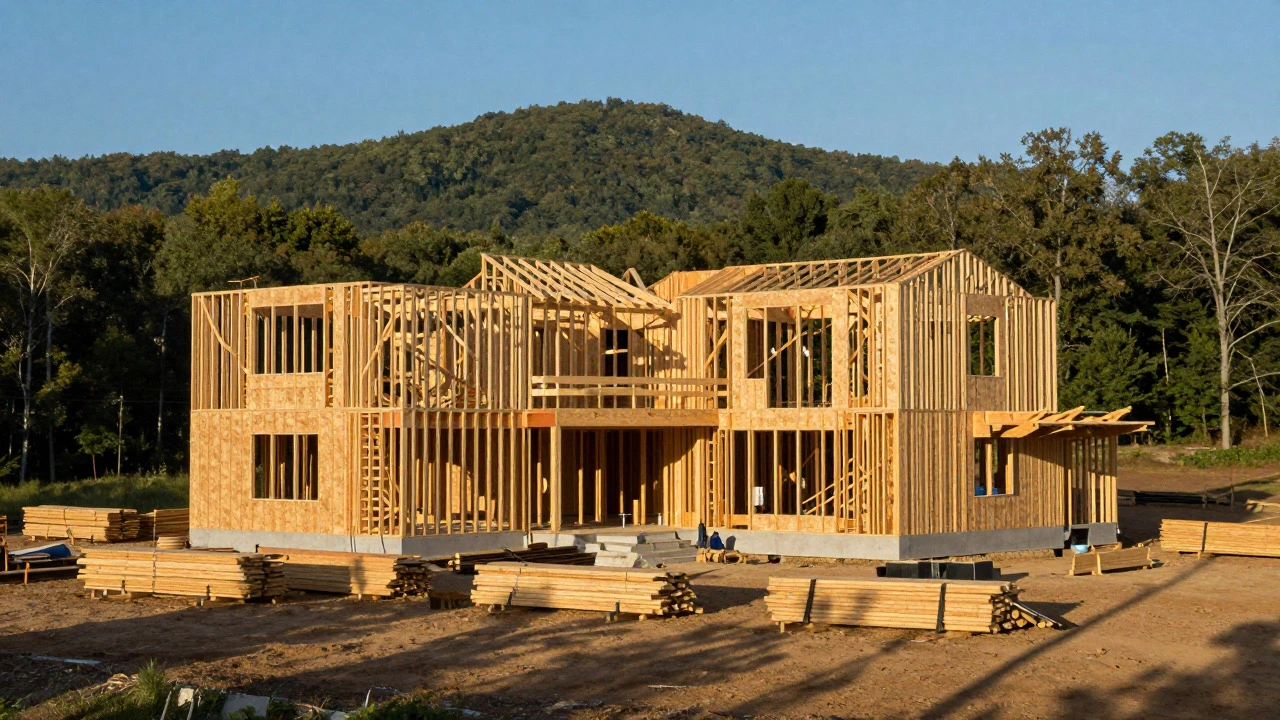
Buying land in Tennessee feels like the easy part. The real shock hits when you look at the quote for putting walls on it. If you are planning to build a 3,000 sq ft house in the Volunteer State right now, you need a realistic number, not a guess. In 2026, the average cost to build a custom home in Tennessee ranges from $150 to $250 per square foot for standard finishes, and easily jumps to $300+ if you want high-end materials.
This means your baseline budget sits between $450,000 and $750,000. That is before you pay for the land, landscaping, or that fancy outdoor kitchen. Why does the price vary so much? It comes down to location, labor rates, material choices, and the specific quirks of Tennessee’s geography. Let’s break down exactly where your money goes.
The Base Cost Breakdown: What You Are Actually Paying For
When builders give you a per-square-foot estimate, they are averaging out fixed costs and variable costs. To understand the total price tag, you have to look at the three main buckets of expense: hard costs, soft costs, and site work.
| Cost Category | Percentage of Total Budget | Estimated Cost Range ($) |
|---|---|---|
| Hard Costs (Materials & Labor) | 60-70% | $270,000 - $525,000 |
| Soft Costs (Permits, Fees, Design) | 10-15% | $45,000 - $112,500 |
| Site Work (Foundation, Utilities) | 10-20% | $45,000 - $150,000+ |
| Contingency Fund | 10% | $45,000 - $75,000 |
Hard costs are the bricks, mortar, lumber, drywall, and the sweat equity of the crew installing them. This includes framing, roofing, electrical, plumbing, and HVAC. In Tennessee, labor costs have risen steadily since 2023 due to a shortage of skilled tradespeople. A carpenter in Nashville charges significantly more than one in rural East Tennessee, but even in cheaper areas, material transport fees keep prices elevated.
Soft costs are the invisible bills. These include architectural drawings, engineering stamps, building permits, and impact fees charged by local municipalities. Don’t underestimate these. A permit package for a large custom home can run $5,000 to $15,000 alone, depending on the county.
Location Matters: Nashville vs. Knoxville vs. Rural Areas
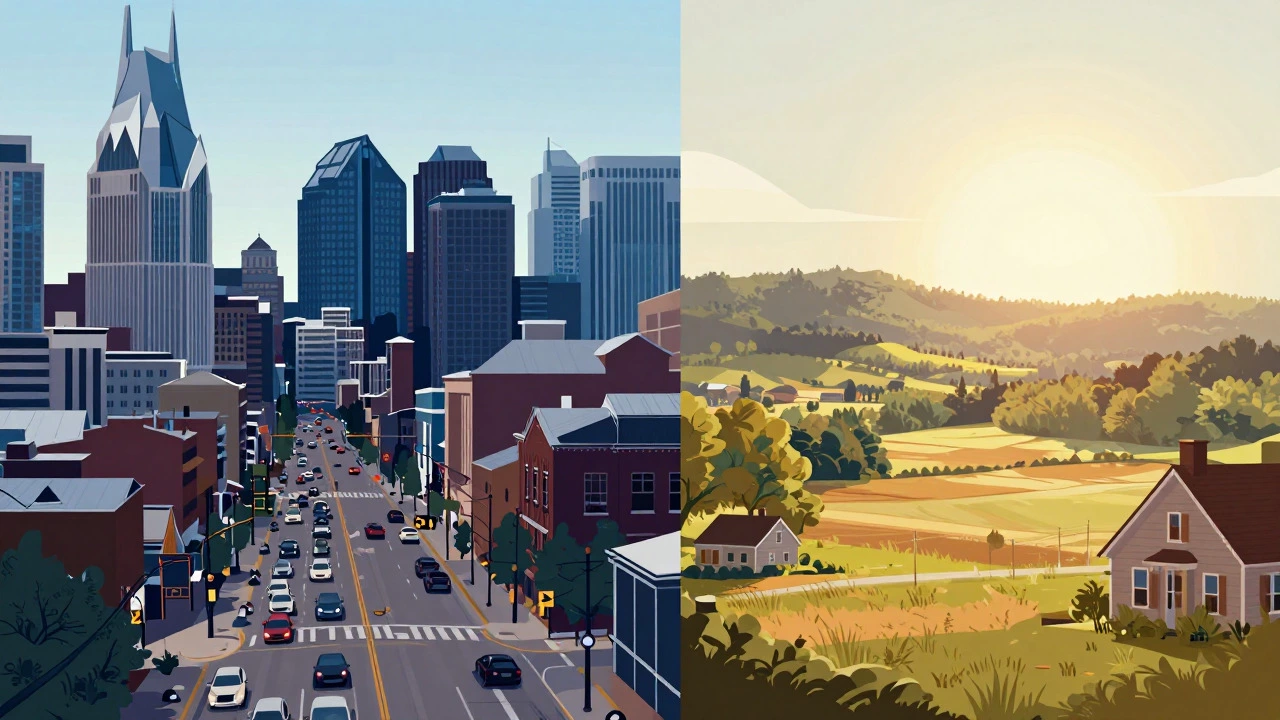
Tennessee is not a monolith. Building a 3,000 sq ft home in Davidson County (Nashville) will cost you 15-25% more than building the exact same house in Cocke County. Why? Land scarcity and labor demand.
In the Nashville metropolitan area, lot sizes are shrinking, and competition among builders is fierce. Contractors prioritize larger commercial projects or high-end luxury homes because the margins are better. If you hire a small local crew, you might save money, but you risk delays if they get pulled into a bigger job. In contrast, Knoxville and Chattanooga offer a middle ground. Labor is slightly cheaper, and there is more availability of subcontractors. Rural areas in East and West Tennessee offer the lowest labor rates, but you may face higher costs for hauling materials to remote sites.
If you are buying property online, check the zoning and utility access immediately. A cheap lot in a rural area might require a $30,000 well and septic system installation, which eats into your savings instantly.
Material Choices: Where You Can Save (and Where You Should Splurge)
Your finish level dictates the final price more than anything else. Here is how different tiers affect your 3,000 sq ft budget:
- Builder Grade ($150-$180/sq ft): Laminate countertops, vinyl flooring, standard windows, basic trim. This looks fine but lacks longevity. Good for investment properties or first-time buyers on a tight budget.
- Mid-Range ($180-$250/sq ft): Quartz countertops, hardwood floors in key areas, energy-efficient windows, upgraded fixtures. This is the sweet spot for most homeowners in Tennessee. It balances aesthetics with resale value.
- High-End ($300+/sq ft): Marble or granite, custom cabinetry, smart home integration, premium insulation, designer lighting. This tier often involves custom millwork and imported materials.
In 2026, sustainability is no longer a niche; it’s a cost factor. Installing solar panels or a heat pump system upfront increases your initial cost by $10,000-$20,000 but qualifies you for federal tax credits and reduces monthly utility bills. Given Tennessee’s hot summers and mild winters, a high-efficiency HVAC system is non-negotiable for comfort and long-term savings.
The Hidden Costs: Site Work and Foundation Issues
This is where most budgets blow up. Tennessee’s terrain varies from flat river valleys to steep hillsides. If your lot is sloped, you cannot use a simple slab foundation. You’ll need a crawlspace or full basement, which adds significant excavation costs.
Excavation in rocky soil-common in parts of Middle Tennessee-requires heavy machinery and blasting, which can add $10,000 to $50,000 to your bill. Additionally, bringing utilities to the site (water, sewer, electricity, internet) can be expensive if the lot is not already serviced. Some counties charge "impact fees" for new connections, which can range from $2,000 to $10,000 per utility line.
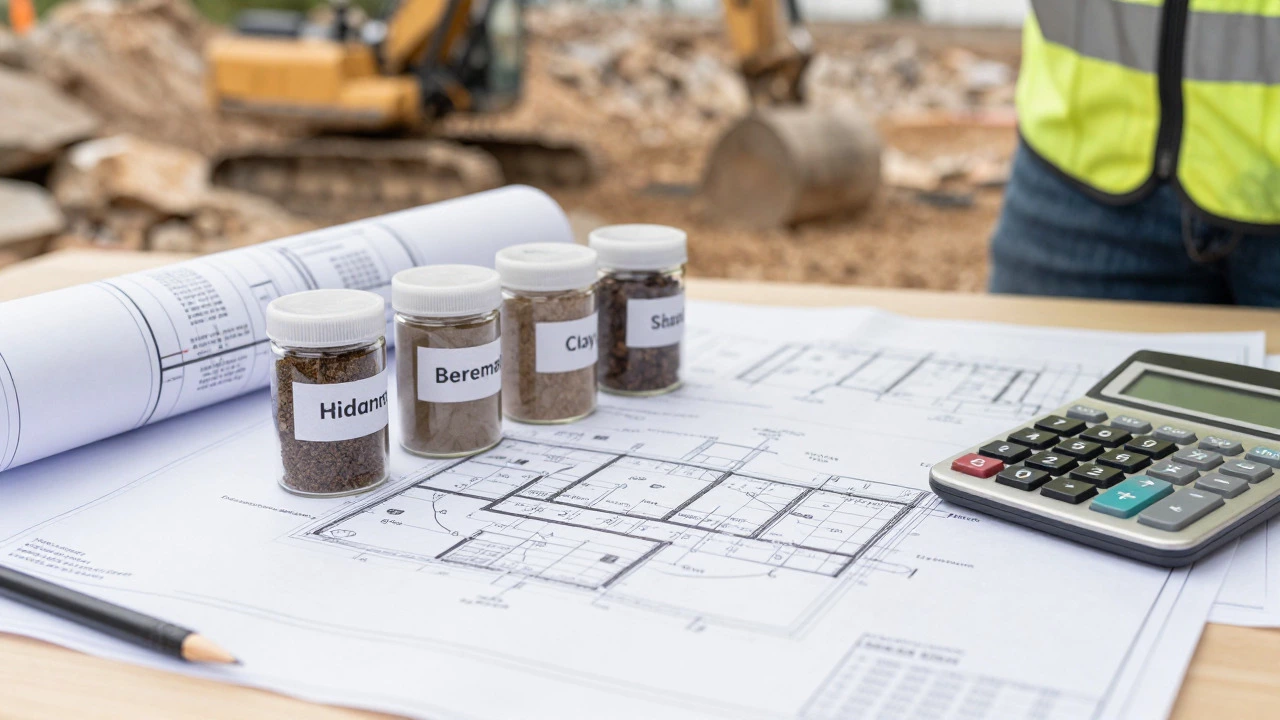
Always get a geotechnical report before signing a contract with a builder. If the soil has expansive clay-a common issue in parts of Tennessee-it may require special foundation engineering to prevent cracking later. Skipping this step saves money today but costs thousands in repairs tomorrow.
Labor Shortages and Timeline Delays
Building a 3,000 sq ft home typically takes 9 to 14 months in Tennessee. However, labor shortages continue to push timelines back. If your builder promises an 8-month completion date, ask for references and proof of recent project completions.
Delays cost money. Every month you live in a rental while waiting for your home to finish adds to your carrying costs. Interest on construction loans accrues during the build phase. If your loan has a 6% interest rate, a two-month delay on a $500,000 loan costs you roughly $5,000 in extra interest.
To mitigate this, consider using a design-build firm rather than hiring an architect and builder separately. Design-build teams have established relationships with subcontractors and can streamline the scheduling process, reducing the risk of bottlenecks.
Financing Your Build: Construction Loans vs. Traditional Mortgages
You cannot buy a custom home with a standard mortgage. You need a construction-to-permanent loan. This is a single-close loan that covers the building phase and then converts to a traditional mortgage once the home is complete.
Lenders will disburse funds in stages called "draws." You get paid as milestones are met: foundation poured, framing done, roof on, etc. Each draw requires an inspection. Make sure your builder is comfortable with this process. Some smaller contractors prefer lump-sum payments, which raises red flags for lenders.
Interest rates in 2026 remain volatile. Lock in your rate early if possible. Also, remember that lenders usually require a 20-25% down payment for construction loans, compared to 3-5% for existing homes. Factor this cash requirement into your liquidity planning.
Should You Build or Buy Existing?
Before breaking ground, compare the cost of building against buying a similar existing home in your target neighborhood. In many Tennessee markets, inventory has increased slightly, making it easier to find move-in-ready homes at competitive prices.
Building gives you control over layout, materials, and energy efficiency. Buying existing offers speed and certainty. If you find a 3,000 sq ft home listed for $450,000 that needs minor updates, it might be cheaper and faster than building for $500,000+. However, if you want a specific floor plan or modern open-concept design that doesn’t exist in the market, building is the only option.
What is the cheapest way to build a 3,000 sq ft house in Tennessee?
The cheapest approach involves choosing a simple rectangular floor plan (which reduces exterior wall costs), using standard builder-grade finishes, selecting a flat lot with existing utilities, and hiring a local contractor with lower overhead. Expect to spend around $450,000-$500,000 all-in, including land and site work, if you are careful with selections.
How much do building permits cost in Tennessee?
Permit costs vary by county but generally range from $1,500 to $5,000 for a new home. Additional fees for inspections, impact fees, and engineering reviews can add another $2,000 to $10,000. Always check with your local building department for exact figures before budgeting.
Is it more expensive to build in Nashville or Knoxville?
Yes, building in Nashville is typically 15-25% more expensive than in Knoxville due to higher land costs, stricter zoning regulations, and higher labor wages. Chattanooga falls somewhere in between, offering a balance of amenities and moderate costs.
Do I need an architect to build a custom home?
Not necessarily. Many builders offer in-house design services or have partnerships with draftsmen who can create plans for a fraction of an architect’s fee. However, for complex designs or unique sites, hiring a licensed architect ensures structural integrity and compliance with local codes, potentially saving money on rework.
What is the biggest hidden cost in home construction?
Site work is the most common surprise. Unexpected rock removal, poor soil conditions requiring special foundations, or the need to extend utility lines far from the street can add tens of thousands of dollars to your budget. Always conduct a thorough site assessment before finalizing your contract.