Villa vs. Apartment Cost Calculator
Cost Comparison Breakdown
Villa Total
Apartment Total
Monthly Difference
Enter values above to see comparison
There is a persistent myth that villas are exclusively the domain of holiday rentals or luxury resorts. You see them on Instagram with infinity pools and tropical backdrops, often booked by tourists for a week. But the reality is quite different. Thousands of people live in villas as their primary, permanent homes. The question isn't really *if* you can live in a villa, but rather if you are prepared for the specific responsibilities and financial structures that come with owning a standalone property.
Living in a villa offers a distinct lifestyle compared to apartment living. It provides privacy, land ownership, and architectural freedom. However, it also demands a higher level of personal management regarding maintenance, security, and utilities. Before signing any contracts, you need to understand the practicalities of daily life in a detached home.
The Legal Reality: Ownership vs. Usage Rights
The first hurdle in answering "can you live in a villa" is legal status. In many countries, particularly those popular with foreign buyers like Thailand, Spain, or Turkey, there are strict laws regarding freehold ownership. For example, in Thailand, foreigners generally cannot own land outright. They can own the building (the villa structure) but must lease the land beneath it. This doesn't stop you from living there; it just changes the long-term asset strategy.
In other regions, such as parts of Europe or North America, you typically buy both the land and the structure. Here, the barrier is less about legality and more about zoning. Ensure the villa is zoned for residential use. Some properties labeled as "villas" might be classified as commercial holiday lets. If you move into a property designated strictly for short-term tourism, you could face fines or eviction. Always check the title deed and local zoning regulations before committing.
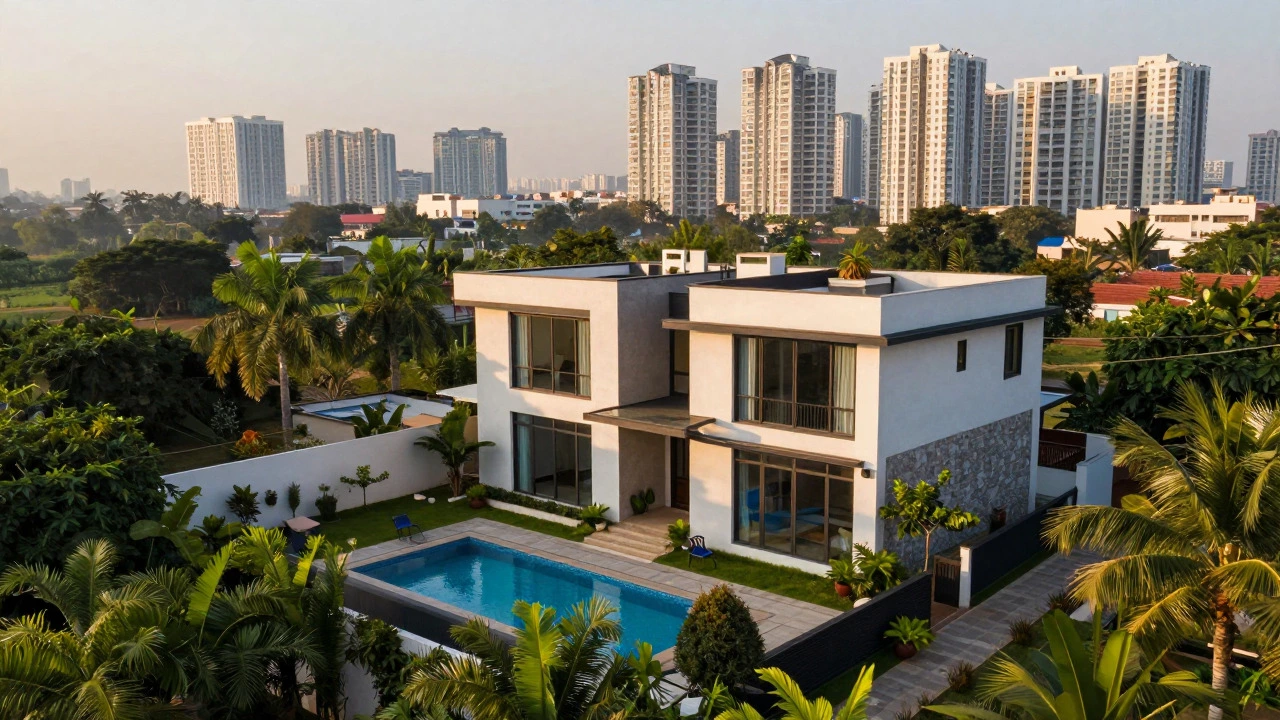
Villa is a standalone residential dwelling, typically detached and situated on its own plot of land, offering greater privacy and space than apartments or townhouses. Unlike apartments, which share walls and common areas, a villa provides exclusive access to exterior spaces.The Financial Commitment Beyond the Purchase Price
Buying a villa is expensive, but living in one costs money every single month. Many prospective owners focus solely on the purchase price and mortgage rates, ignoring the operational costs. These ongoing expenses can add up to 1-4% of the property's value annually.
- Maintenance: Unlike an apartment where the landlord or HOA handles roof repairs, you are responsible for everything. Gutters, roofing, plumbing, and electrical systems are all on you.
- Gardening and Landscaping: Villas come with land. That land needs care. Depending on the size, you might hire a landscaper weekly or do it yourself. This is a recurring cost that doesn't exist in high-rise living.
- Utilities: Heating and cooling a large, standalone structure is energy-intensive. Without shared walls to retain heat, your electricity and gas bills will likely be higher than in an insulated apartment block.
- Insurance: Homeowners insurance for a villa is more complex than renter's insurance. You need coverage for the structure, liability for guests on your land, and potentially flood or earthquake insurance depending on the location.
| Expense Category | Villa Owner | Apartment Renter/Owner |
|---|---|---|
| Mortgage/Rent | High (Principal + Interest) | Medium (Rent) or Low (Condo Mortgage) |
| Maintenance Reserve | Required ($200-$500/month avg) | Covered by HOA/Landlord |
| Landscaping | Owner's Responsibility | Often Included or Minimal |
| Utilities | Higher (Larger square footage) | Lower (Shared walls/efficiency) |
| HOA Fees | Variable (Gated communities charge fees) | Standard (Covers amenities/maintenance) |
Daily Life: Privacy vs. Isolation
The biggest draw of villa living is privacy. You don't hear your neighbors' television through the wall. You can renovate without seeking approval from a board of directors (unless you're in a gated community with strict covenants). You have direct access to outdoor space, which is invaluable for families with children or pets.
However, this privacy comes with a trade-off: isolation. In a dense urban apartment, you walk out and are immediately surrounded by shops, cafes, and social opportunities. In a villa, especially in suburban or rural settings, you are often dependent on a car. If you lose your vehicle, your mobility drops significantly. Socially, you have to make more effort to connect with neighbors because physical proximity doesn't force interaction.
Security is another factor. An apartment building has concierges, keycard access, and cameras in lobbies. A villa relies on perimeter security. You need to invest in alarm systems, smart locks, and good lighting. The sense of safety is subjective; some feel safer behind a locked gate, while others feel vulnerable without immediate neighbors nearby.
Maintenance: The Hidden Job Description
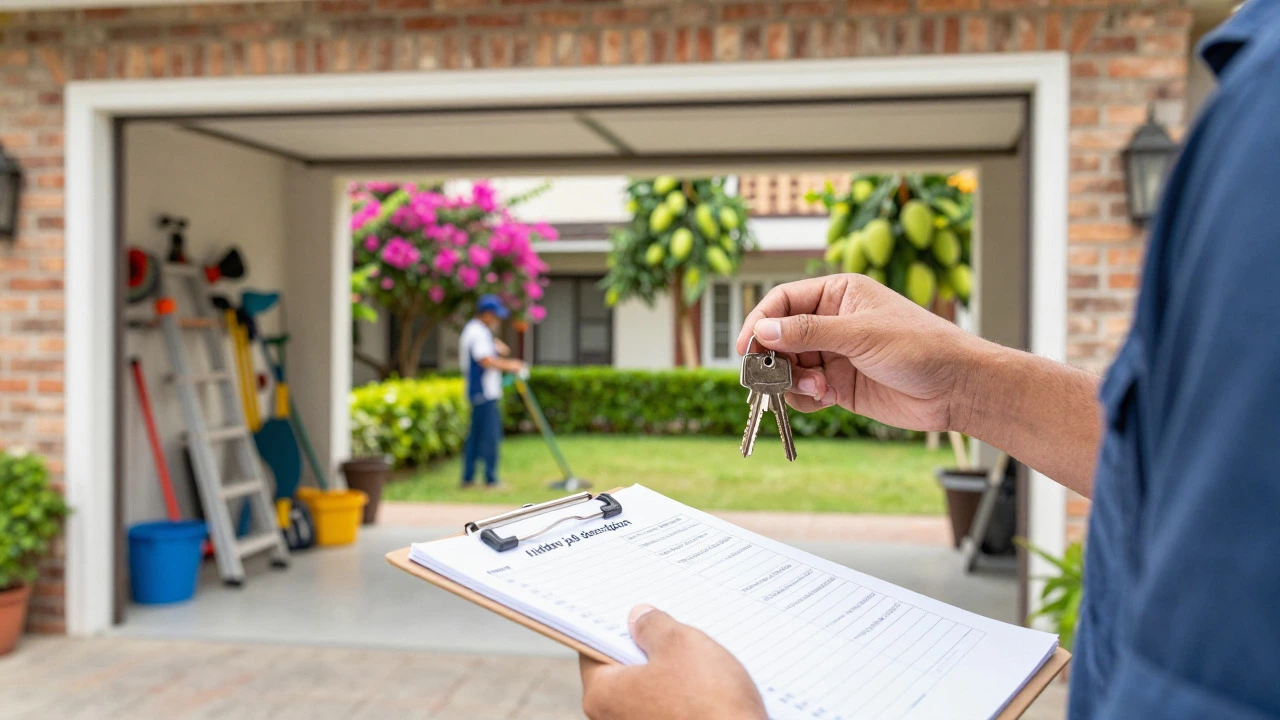
If you live in a villa, you are effectively hiring yourself as the facility manager. When the water heater breaks at 2 AM on a Sunday, there is no super to call. You need to know who the local plumbers are, how to shut off the main water valve, and how to handle minor fixes.
This doesn't mean you must be handy, but you must be organized. Create a maintenance schedule:
- Quarterly: Clean gutters, service HVAC filters, check roof for debris.
- Annually: Inspect chimney (if applicable), pressure test water heater, deep clean carpets.
- Every 5-10 Years: Repaint exterior, replace roof shingles, resurface driveway.
Failing to plan for these cycles leads to emergency spending. A small leak ignored for months can rot structural beams, turning a $500 repair into a $50,000 project.

Location Strategy: Urban Fringe vs. Rural Retreat
Where you choose to live in a villa drastically affects your quality of life. There are two main archetypes: Urban Fringe Villas: Located on the outskirts of major cities. These offer a compromise: enough space for a garden and garage, but within commuting distance to jobs and entertainment. Property values here tend to appreciate steadily due to demand for space near city centers. Rural/Vacation Villas: Located in countryside or coastal resort areas. These are ideal for retirement or remote workers who don't mind being far from infrastructure. However, services like internet connectivity, healthcare, and grocery delivery may be limited or slower. If you work remotely, verify the broadband speed and reliability before buying.
Is Villa Living Right for You?
To decide if you should live in a villa, ask yourself three questions:
- Do I have the budget for unexpected repairs?
- Am I willing to spend time maintaining the exterior of my home?
- Do I value privacy and space over convenience and community density?
If the answer is yes, villa living can provide a deeply satisfying, autonomous lifestyle. It allows you to create a sanctuary that reflects your personality, from the paint color on the walls to the plants in the garden. It is not just a place to sleep; it is a piece of land you control.
Can foreigners legally live in a villa they own?
Yes, in most countries, foreigners can live in villas they own. However, ownership laws vary. In some nations like Thailand, foreigners own the building but lease the land. In others, like Spain or the US, full freehold ownership is common. Always consult a local real estate attorney to ensure your visa status allows for long-term residency and that the property title is clear for foreign ownership.
Are villas more expensive to maintain than apartments?
Generally, yes. Villas require owner-funded maintenance for roofs, exteriors, landscaping, and private utilities. Apartments typically include these costs in monthly HOA or condo fees. While the total annual cost might be similar, the cash flow burden is higher for villa owners who must pay for repairs out-of-pocket as they occur.
What are the biggest risks of living in a villa?
The primary risks are financial (unexpected major repairs), security (lack of immediate neighbors or concierge), and isolation (dependency on cars for daily needs). Additionally, in some markets, villa values can be more volatile than urban apartments if the local economy shifts or if the area becomes less desirable for commuters.
Do I need a car to live in a villa?
In most cases, yes. Villas are typically located in suburban or rural areas with lower population density. Public transportation is often less frequent or non-existent compared to city centers. Having a reliable vehicle is usually essential for groceries, work, and social activities.
Can I rent out part of my villa if I live there?
It depends on local zoning laws and homeowners association (HOA) rules. Some areas allow accessory dwelling units (ADUs) or guest houses to be rented. Others restrict short-term rentals (like Airbnb) even for primary residences. Check local ordinances before purchasing if generating rental income is part of your plan.