Remote Property Yield Calculator
Calculate potential rental income and annual returns for remote property investments in popular international markets. Enter your investment amount and select your target country to see estimated returns based on current market data.
Estimated Returns
Monthly Rental Income
Based on current market yields
Annual Return Rate
Note: These are estimates based on current market data. Actual returns may vary based on market conditions, property quality, and management costs. Rental yields over 8% typically indicate higher risk.
Yes, you can invest in real estate remotely - and thousands of people already are. You don’t need to live in the city, tour every property in person, or hire a local agent just to get started. With today’s tools, data, and legal frameworks, buying property from another country, state, or even continent is not just possible - it’s common.
How remote real estate investing actually works
Remote real estate investing means buying, managing, and profiting from property without setting foot on the land. You sign contracts digitally, hire local professionals to handle inspections and repairs, and use property management companies to collect rent and deal with tenants. It’s not magic. It’s logistics.
Take someone in Berlin who wants to buy a rental apartment in Lisbon. They use an online platform to browse listings with verified photos, 3D tours, and historical rent data. They hire a local lawyer to check titles and contracts. A property inspector sends a video walkthrough and a written report. Once the deal closes, a property manager takes over. The investor gets monthly rent payments via bank transfer. No plane ticket needed.
This model works because the industry has built systems to replace in-person steps. You’re not skipping due diligence - you’re outsourcing it to trained professionals who do this every day.
What you need to get started
Here’s the bare minimum to begin investing remotely:
- A reliable online platform - Sites like PropertyPartner (UK), Fundrise (US), or local portals in target countries offer vetted listings with financial projections.
- A local lawyer or conveyancer - They handle legal checks, contracts, and tax filings. In Spain, for example, a notario is legally required to finalize sales.
- A property manager - They find tenants, collect rent, handle maintenance, and report monthly. Look for firms with 5+ years of experience in the area.
- A way to transfer money internationally - Use services like Wise or Revolut to avoid bank fees and get real exchange rates.
- Access to local data - Check average rental yields, vacancy rates, and property tax rates from government sources or trusted real estate analytics tools.
You don’t need to be rich. Many platforms allow you to start with as little as £500 in fractional ownership deals. Others let you buy whole apartments with 15-25% down payments.
Where to look: top markets for remote investors in 2026
Not all markets are equal. Some are easy to invest in remotely. Others are full of hidden traps.
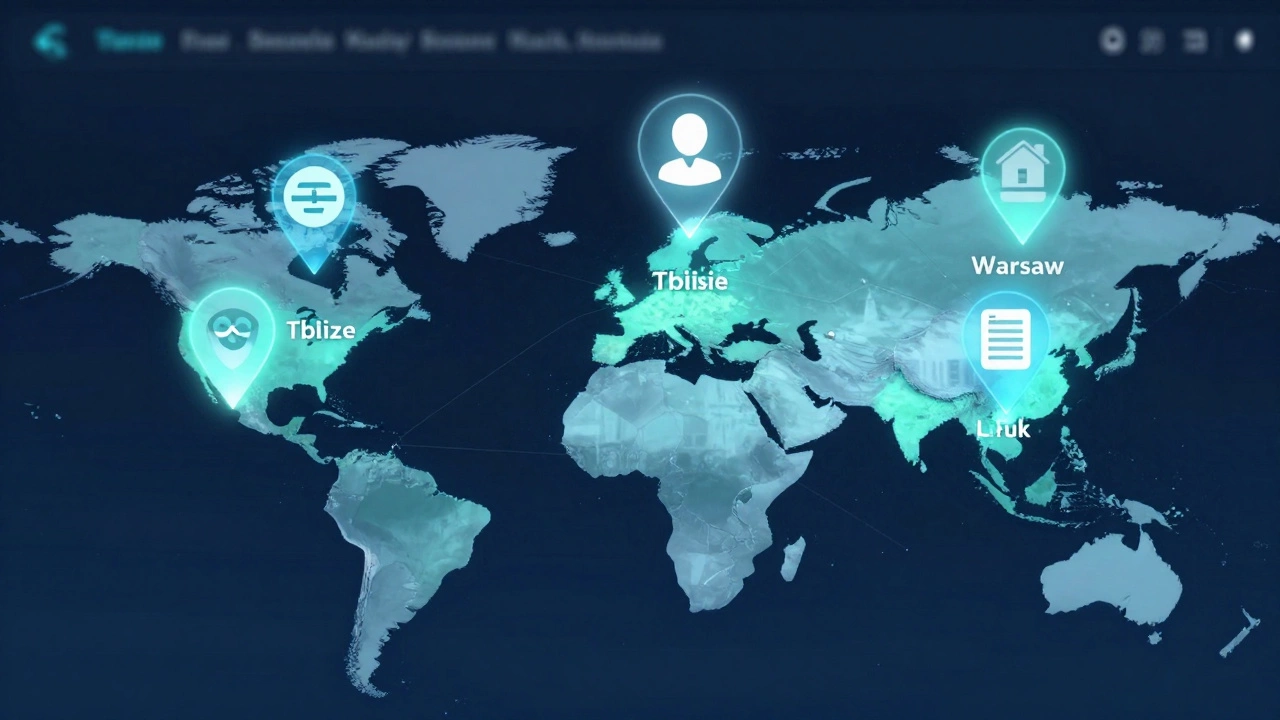
Portugal - Popular with EU investors. The Golden Visa program ended in 2023, but non-residents can still buy property. Lisbon and Porto have rental yields of 5-7%. Digital contracts are legally binding. Property managers are abundant.
Georgia (country) - Foreigners can own land outright. No capital gains tax for non-residents. Average rental yield: 8-10%. Registration is fully online. Many investors use Tbilisi as a base for regional portfolios.
Poland - Strong demand for rentals in Warsaw, Kraków, and Wrocław. Rental yields around 6%. EU citizens face no restrictions. Title deeds are digitized. Local banks offer mortgages to non-residents.
Malaysia - Low entry point: condos start under £50,000. Foreigners can buy in designated zones. Government encourages foreign investment. Rental demand from expats and digital nomads is rising.
Avoid markets where foreign ownership is restricted, titles are paper-based, or legal disputes take years to resolve. Countries like Thailand or Mexico have high yields but come with legal risks that are hard to manage remotely.
Red flags to watch out for
Not every online listing is legit. Here’s what to avoid:
- “Guaranteed 15% returns” - Any promise above 7-8% in stable markets is either a scam or a high-risk property (e.g., unrentable location, no permits).
- No access to title deeds - If the seller won’t let you see the official land registry extract, walk away.
- Pressure to pay quickly - Legitimate deals don’t vanish overnight. If they say “this unit is gone in 24 hours,” they’re creating false urgency.
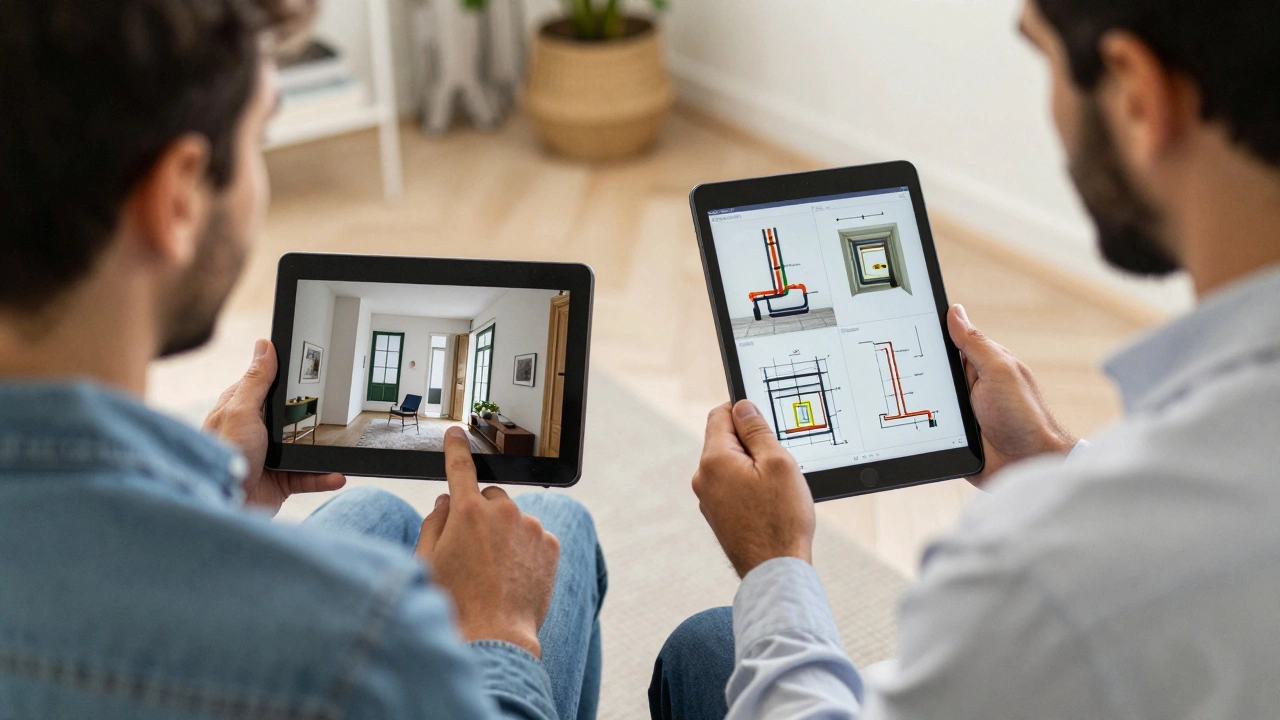
- No independent inspection - Always pay for a third-party inspector. Don’t trust agent photos.
- Unlicensed property managers - Check if they’re registered with local authorities. In the UK, they must be members of ARLA or NARPM.
One investor in Manchester bought a flat in Belgrade based on a video tour. The agent said repairs were done. Later, the property manager found the plumbing was still broken, and the previous tenant had left behind €12,000 in unpaid utility bills. The investor had no recourse because the contract didn’t include a warranty clause.
How to verify a property before buying
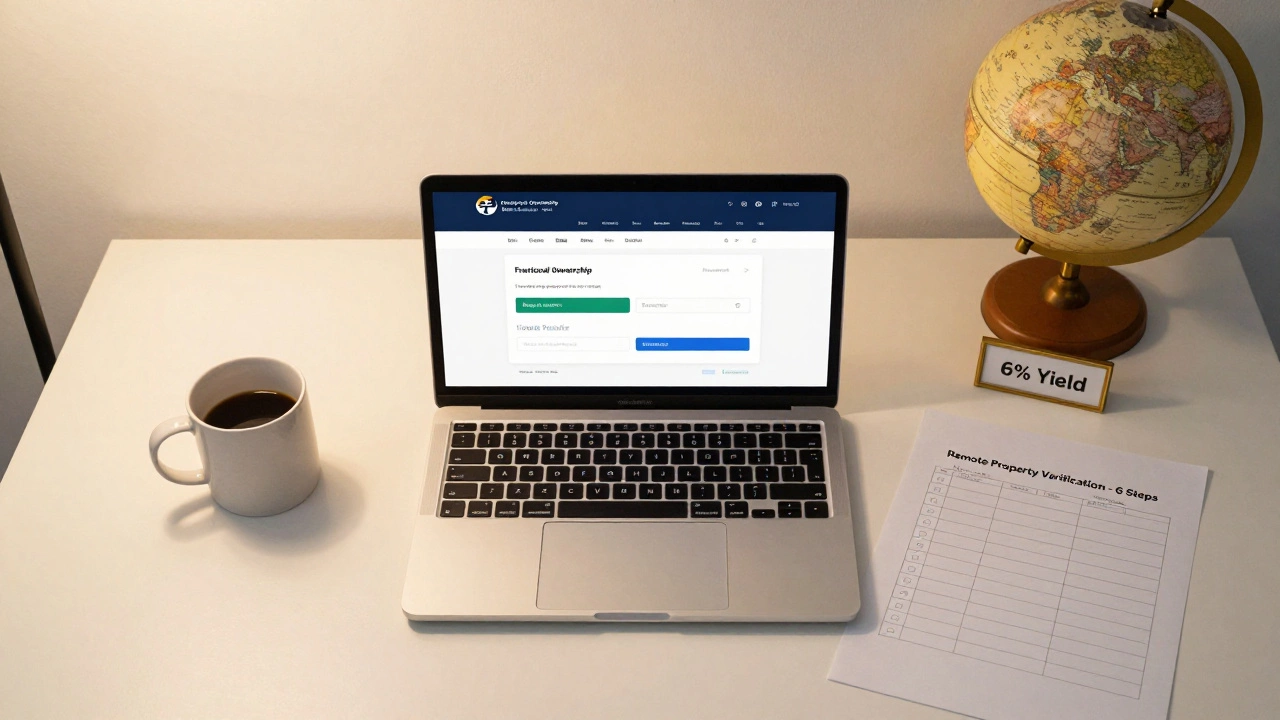
Here’s a simple checklist you can use for every remote purchase:
- Get the official property ID number from the national land registry (e.g., Land Registry in the UK, Cadastro in Portugal).
- Ask for a recent tax receipt showing the owner paid property taxes.
- Request a copy of the last 12 months of rental income statements (if already rented).
- Pay for a video inspection with a licensed inspector - they should show all rooms, plumbing, electrical, and structural points.
- Confirm the seller owns the property. Use a local lawyer to run a title search.
- Check if there are any pending building violations or planned construction nearby.
If you can’t get all six items, delay the purchase. There will be another deal tomorrow.
Managing your property without being there
Once you own it, the real work begins - and it’s easier than you think.
Use a property manager who offers:
- Monthly financial reports (rent received, expenses paid)
- 24/7 emergency contact for tenants
- Pre-approved vendor network (plumbers, electricians, cleaners)
- Annual inspection reports with photos
- Online dashboard to view rent history and maintenance logs
Most charge 8-12% of monthly rent. That’s cheaper than flying out to fix a leaky faucet yourself.
Set up automatic rent collection. Use apps like PayRent or local equivalents. Link them to your bank so you get paid on the 1st of every month - no chasing tenants.
Legal and tax realities you can’t ignore
Buying remotely doesn’t mean you escape taxes. You still owe:
- Income tax on rental profits in the country where the property is located.
- Capital gains tax if you sell the property for a profit.
- Local property taxes - often paid annually.
Many countries have tax treaties with others to avoid double taxation. For example, if you’re a UK resident and earn rent in Portugal, you pay tax in Portugal but get credit against your UK tax bill.
Always consult a cross-border tax advisor before buying. Don’t rely on a property manager’s advice - they’re not tax experts.
Is remote real estate investing right for you?
It’s a great fit if you:
- Have a steady income and can handle a 3-6 month waiting period for returns
- Understand that property isn’t a get-rich-quick scheme
- Are comfortable trusting professionals to act on your behalf
- Want to diversify beyond stocks and savings
It’s not for you if:
- You want to flip houses in 6 months
- You’re uncomfortable with long-term commitments
- You think you can save money by skipping inspections or legal checks
Real estate is slow money. It grows over years, not weeks. But when done right, it’s one of the most reliable ways to build wealth without active work.
Start small. Test the system.
Don’t buy your dream villa on day one. Start with a £10,000 fractional share in a London flat via a regulated platform. Or buy a single apartment in a stable market with a 6% yield. See how the property manager performs. See how rent flows in. See if the paperwork is clear.
If it works smoothly for 12 months, then scale up. If not, learn why and try a different market.
Remote real estate investing isn’t about being everywhere. It’s about being smart - and letting experts do what they’re trained for.
Can I buy property overseas without visiting?
Yes. Many countries allow foreign buyers to complete transactions remotely using digital signatures, local lawyers, and property managers. Portugal, Georgia, Poland, and Malaysia are especially open to non-resident investors. You’ll need to verify titles, hire inspectors, and use secure payment systems - but you don’t need to step foot on the property.
What’s the cheapest way to start remote real estate investing?
Fractional ownership platforms let you invest from as little as £500. These platforms pool investor money to buy entire properties, then divide ownership into shares. You earn rent proportional to your share. Examples include PropertyPartner (UK) and Arrived (US). It’s low-risk, low-control, and perfect for testing the waters.
Are remote property managers trustworthy?
Some are, some aren’t. Always check if they’re licensed by local authorities (e.g., ARLA in the UK, NARPM in the US). Look for firms with 5+ years in business, client reviews on independent sites like Trustpilot, and transparent reporting. Never hire someone who won’t show you their credentials or refuses to provide references.
Do I pay taxes on rental income from abroad?
Yes. You pay income tax in the country where the property is located. Most countries have tax treaties to prevent double taxation. For example, if you’re a UK resident earning rent in Spain, you pay Spanish income tax first, then claim a credit on your UK tax return. Always consult a cross-border tax advisor - don’t rely on your property manager.
How do I know if a property listing is real?
Verify the property ID number through the national land registry. Ask for recent tax receipts, rental history, and a video inspection by an independent inspector. Cross-check the address on Google Maps and local real estate portals. If the seller pressures you to pay quickly or refuses to provide documents, it’s likely a scam.