Land Investment Matchmaker
Answer these questions to see which state aligns best with your goals in 2026.
Your Top Matches
You’re staring at a map of the United States, coffee getting cold, wondering where your next chapter begins. It’s not just about picking a city with good coffee shops or low taxes. If you’re serious about land investment, you need to look beyond the obvious coastal hubs. The market has shifted. In 2026, remote work is no longer a perk; it’s the standard. This means the best value isn’t always where the jobs are-it’s where the land is affordable, the zoning is friendly, and the community is growing.
Choosing a state is a massive decision. It affects your wallet, your lifestyle, and your long-term wealth. But let’s be real: there is no single "best" state for everyone. Your perfect spot depends on what you want to do with that dirt. Are you building a homestead? Flipping acreage? Or just parking cash in something tangible while inflation eats away at bank savings? Let’s break down the top contenders based on current data, legal frameworks, and market trends.
Texas: The Big Play for Infrastructure and Growth
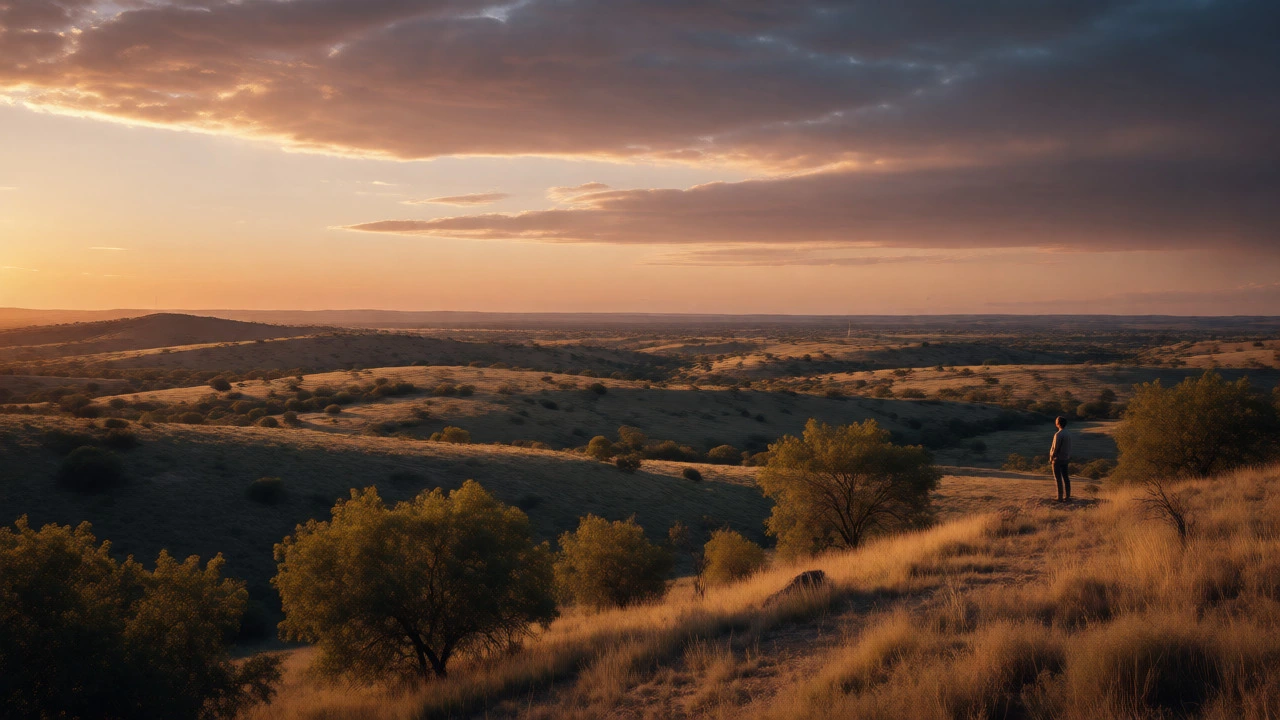
Texas remains a heavyweight contender for a reason. It’s huge, diverse, and aggressively pro-business. When people ask about moving here, they usually think of Austin or Dallas. But the real opportunity in 2026 lies in the secondary markets-places like Waco, Lubbock, or the Hill Country outside San Antonio. Why? Because infrastructure follows population. Texas has poured billions into rural broadband expansion, making these areas viable for remote workers who previously needed fiber-optic connections in major metros.
The legal landscape is another draw. Texas has some of the most favorable property tax exemptions in the country, particularly if you qualify for an agricultural exemption. This can slash your annual holding costs by up to 90%. However, don’t ignore the risks. Property taxes are high compared to national averages, and insurance premiums have skyrocketed due to extreme weather events. You need to run the numbers carefully. If you’re buying raw land, check the water rights immediately. In parts of West Texas, water is more valuable than the soil itself.
| Metric | Value/Status | Investor Note |
|---|---|---|
| Avg. Price per Acre | $3,500 - $12,000 | Highly variable by region; East TX is cheaper. |
| Property Tax Rate | 1.8% - 2.2% | High, but offset by Ag Exemptions. |
| Zoning Flexibility | High | Rural areas often lack strict zoning codes. |
| Water Availability | Critical Concern | Always test wells before closing. |
Tennessee: The Middle Ground for Lifestyle and Value
If Texas feels too sprawling, look east. Tennessee offers a compelling mix of affordability and access. Nashville has exploded, pushing prices up, but drive two hours west toward Jackson or north toward Clarksville, and you find pristine rural land at reasonable rates. Tennessee doesn’t have a state income tax on wages, which is a nice bonus for salaried employees, though it does tax interest and dividends.
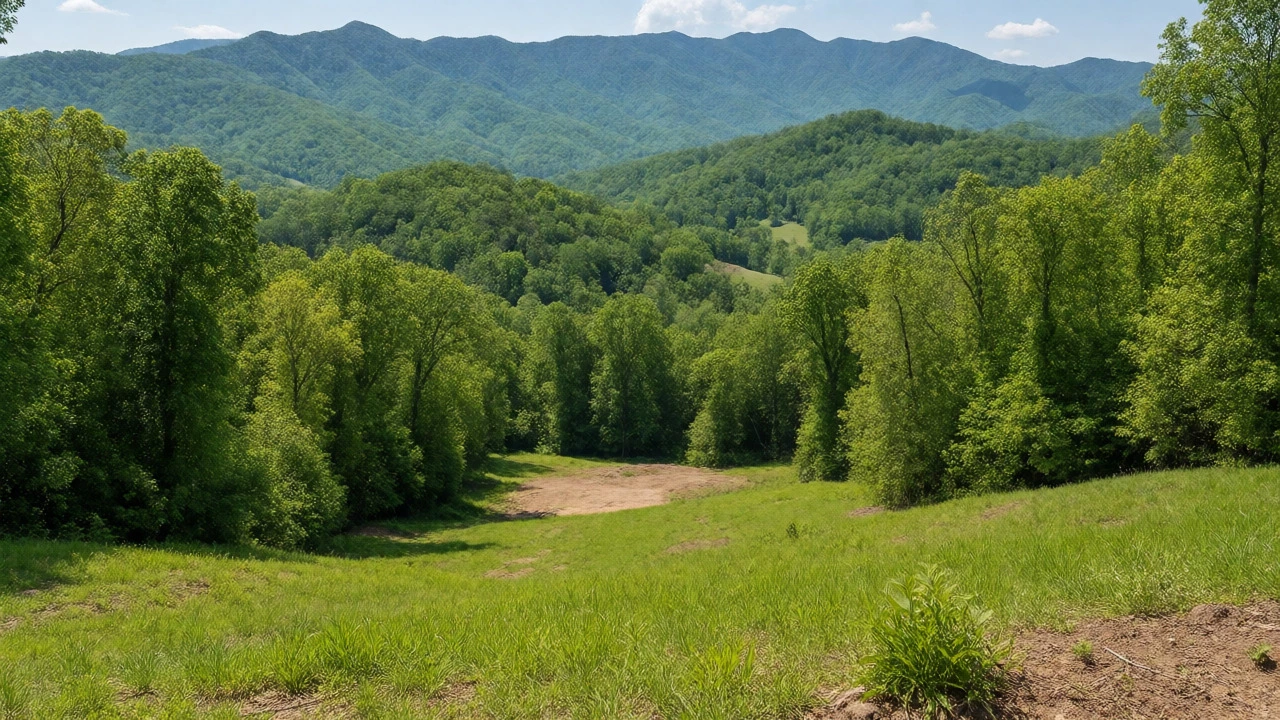
The terrain here is beautiful-rolling hills, dense forests, and proximity to the Great Smoky Mountains. For those looking to build a retirement home or a weekend retreat, this is prime territory. The community vibe is generally welcoming, and the cost of living index sits comfortably below the national average. But watch out for septic regulations. In many unincorporated counties, you’ll need to pass a perc test (percolation test) to ensure the soil can handle a septic system. Failing this test can render a parcel useless for residential building, so never skip the due diligence.
Idaho: The Frontier for Privacy and Recreation
Want space? Real space? Idaho delivers. After the pandemic boom drove prices through the roof in 2021-2023, the market has cooled significantly in 2026. We’re seeing a correction phase, which creates buying opportunities for patient investors. Northern Idaho, near Coeur d’Alene, still commands premium prices, but Central Idaho and the Panhandle offer acres for a fraction of the cost.
This state is ideal for those seeking privacy. Zoning laws are often lax in rural areas, allowing for off-grid living, tiny homes, and agricultural uses without much bureaucratic headache. Plus, the outdoor recreation is unmatched. Skiing, hiking, fishing-you name it. The downside? Winters are brutal. If you hate snow, this might not be your paradise. Also, check local ordinances regarding short-term rentals. Some counties have started cracking down on Airbnb-style operations to preserve neighborhood character.
North Carolina: The Balanced Choice for Climate and Economy
North Carolina consistently ranks as one of the top destinations for relocation. It’s not just hype. The Research Triangle (Raleigh-Durham-Chapel Hill) provides strong job security, while the mountains and coast offer incredible lifestyle options. Land prices vary wildly here. Coastal parcels are expensive and subject to flood zones, but the Piedmont region offers excellent value.
What makes NC attractive is its moderate climate and robust healthcare system. For families or retirees, this matters. The state also has a relatively straightforward process for transferring property titles, reducing legal friction. However, humidity is real. Mold issues can plague older structures, and maintaining a wooden cabin in the mountains requires constant upkeep. If you’re buying wooded lots, budget for tree clearing. It’s not cheap, and contractors are in high demand.
How to Evaluate Land Before You Move
Don’t just fall in love with the view. Land is technical. Here’s a quick checklist to keep you from making a six-figure mistake:
- Access Rights: Is the land landlocked? Does it have a recorded easement? Verbal agreements with neighbors don’t hold up in court.
- Utilities: How far is the nearest power line? Running electricity over a mile can cost $50,000+. Water and sewer availability are equally critical.
- Topography: Steep slopes increase construction costs dramatically. Flat land is easier to build on but may have drainage issues.
- Environmental Restrictions: Check for wetlands, endangered species habitats, or protected forests. These can limit what you can cut or build.
- Future Development: Look at county comprehensive plans. Is that quiet field slated for a Walmart supercenter in five years?
Financial Implications of Rural Living
Moving to rural land changes your financial reality. You won’t have municipal trash pickup or water service. You’ll need a well, a septic tank, and possibly a generator. Budget $15,000-$30,000 upfront for these systems if they aren’t already installed. Also, consider internet. Satellite providers like Starlink have improved rural connectivity, but latency can still be an issue for gamers or video-heavy professionals. Test the connection speed before you commit.
Insurance is another hidden cost. Wildfire risk in the West and hurricane risk in the South have driven premiums up. Get quotes early. Some insurers refuse to write policies for properties more than 30 miles from a fire station. Knowing this upfront saves you from scrambling after you’ve signed the contract.
Final Thoughts: Trust Your Gut, Verify the Data
There’s no magic formula. The "best" state is the one where your specific goals align with local conditions. If you want appreciation, look for growth corridors near expanding cities. If you want cash flow, target tourist-heavy areas with short-term rental potential. If you want peace, go deep into the countryside where developers haven’t touched yet.
Visit the area multiple times. Rent a house there for a month. Talk to locals. Ask them what annoys them about the town. Then, make your move with confidence, knowing you’ve done the homework.
Is it better to buy land in Texas or Tennessee?
It depends on your priorities. Texas offers larger parcels, no state income tax, and strong economic growth, but comes with higher property taxes and weather risks. Tennessee offers lower overall costs, beautiful scenery, and no state income tax on wages, but has stricter septic regulations in some areas. Choose Texas for scale and business, Tennessee for lifestyle and balance.
Can I build a house anywhere on rural land?
No. You must check zoning ordinances, environmental restrictions, and utility availability. Many rural parcels require a septic perc test to prove the soil can handle waste. Additionally, some lands are designated for agricultural use only, prohibiting residential construction.
What are the hidden costs of owning rural land?
Common hidden costs include drilling wells ($10k-$20k), installing septic systems ($5k-$15k), running electricity ($1-$5 per foot), road maintenance fees, and higher insurance premiums due to distance from emergency services. Always budget 20% above your estimated construction costs.
Which state has the cheapest land for sale?
As of 2026, states like Wyoming, New Mexico, and parts of Kansas often have the lowest price-per-acre averages. However, remoteness can add significant logistical costs. Always compare total cost of ownership, not just sticker price.
Do I need a lawyer to buy land?
Yes, highly recommended. Land transactions involve complex title searches, easements, and survey reviews that differ from standard home purchases. A real estate attorney ensures clear title and helps navigate local zoning nuances.