Commercial Real Estate Asset Matcher
Answer three questions to find your ideal commercial property sector for 2026.
You’re staring at a spreadsheet with three tabs. One shows a sleek office tower in the City of London with 95% occupancy but flat rents. Another lists a sprawling logistics warehouse in the Midlands with double-digit yield growth. The third? A charming high-street shop that’s been empty for six months. Which one do you buy? If you’ve ever felt paralyzed by this choice, you aren’t alone. There is no single "best" asset class for commercial real estate. The right answer depends entirely on your risk tolerance, capital horizon, and how much effort you want to put into management.
Let’s cut through the noise. In 2026, the landscape has shifted dramatically since the pandemic era. Remote work didn't kill offices, but it did permanently alter their value proposition. Meanwhile, e-commerce didn't just boost warehouses; it created a new infrastructure requirement for last-mile delivery. Retail isn't dead, but it’s evolved into an experience-driven model. So, instead of asking "what is best," we need to ask "what is best for me?" This guide breaks down the major commercial property types, weighs their pros and cons against current market data, and helps you decide which asset aligns with your financial goals.
Industrial and Logistics: The Current Market Darling
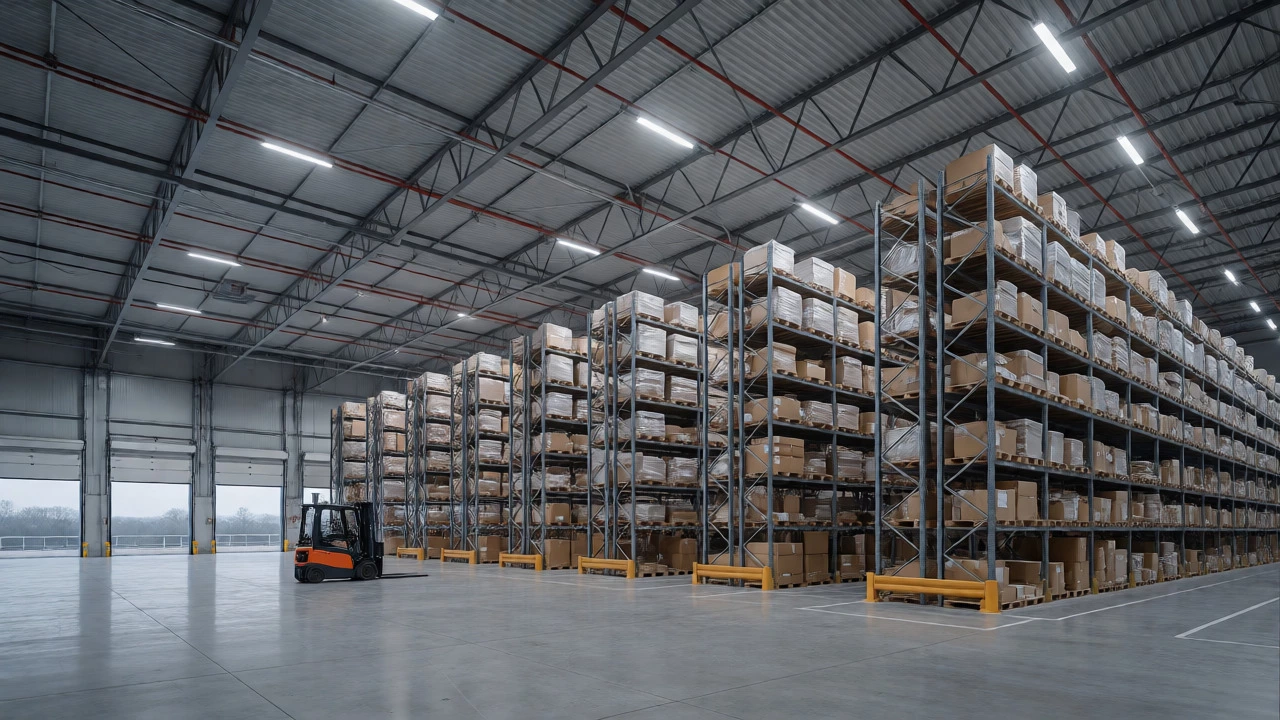
If you look at transaction volumes over the last three years, industrial property has dominated headlines. Why? Because supply chains needed resilience, not just efficiency. Companies stopped relying on "just-in-time" inventory and started holding more stock closer to customers. This shift fueled demand for large distribution centers and smaller urban fulfillment hubs.
The appeal here is straightforward. Leases are typically long-term (five to ten years), tenants are often large corporations or third-party logistics providers with strong credit ratings, and maintenance costs are relatively low compared to residential or retail. You aren’t dealing with broken boilers every Tuesday. However, don’t assume all warehouses are created equal. A facility built in the 1980s with low ceiling heights and no electric vehicle charging points might struggle to attract modern tenants. The "best" industrial assets today feature high clear heights (over 10 meters), ample dock doors, and proximity to major motorway junctions like the M1 or M25.
One pitfall to watch: oversupply. Developers rushed to build speculative warehouses between 2021 and 2024. By late 2026, some secondary markets are seeing vacancy rates creep up as new stock hits the market faster than demand can absorb it. Stick to prime locations near population centers if you want stability.
Office Space: The Contrarian Play
Around 2023, everyone said offices were obsolete. Fast forward to 2026, and the narrative has nuanced significantly. Hybrid work is now standard, meaning companies still need physical spaces, but they need fewer of them-and better ones. This creates a bifurcated market. Grade A offices in central business districts with excellent transport links and sustainability certifications (like BREEAM Excellent) are commanding premium rents. Older, inefficient buildings are struggling to find tenants even at discounted rates.
Buying office space today is less about collecting rent and more about strategic positioning. If you purchase a well-located, energy-efficient building, you benefit from limited new supply due to high construction costs and planning restrictions. Tenants are willing to pay for quality because attracting talent requires a workplace employees actually want to visit. Conversely, buying a tired suburban office park without renovation potential is risky. Vacancy periods can stretch beyond two years, and capital expenditure to make the building compliant with new environmental regulations can eat into your returns.
For investors seeking higher yields, secondary office markets offer opportunities. But be prepared for active management. You’ll likely need to invest in amenities-gyms, cafes, collaborative zones-to justify higher rents. It’s not passive income; it’s operational leverage.
Retail: Experience Over Transaction
Retail has undergone the most radical transformation. The traditional model of leasing square footage to sell goods is fading. Today, successful retail assets serve as brand showrooms, experience centers, or service hubs. Think gyms, healthcare clinics, co-working spaces, and restaurants rather than clothing stores selling items available online.
High street shops in affluent areas remain resilient because consumers still value convenience and immediate access. However, shopping centers have struggled unless they repositioned themselves as mixed-use destinations with leisure components. If you’re looking at retail, focus on location density and footfall analytics. A store in a neighborhood with high disposable income and limited parking alternatives will outperform a mall unit in a declining town center.
The risk here is tenant health. Retailers operate on thin margins. If your tenant goes bust, you’re left with a vacant unit and potentially expensive fit-out costs to convert it for another use. Lease structures matter immensely. Look for tenants with diversified revenue streams or those offering essential services. Avoid fashion retailers dependent on seasonal trends unless you have a very specific thesis on their longevity.

Healthcare and Senior Living: Demographic Tailwinds
While industrial and office get the headlines, healthcare real estate offers steady, unglamorous growth. The UK population is aging. Demand for care homes, outpatient clinics, and specialized medical facilities continues to rise regardless of economic cycles. People get sick and need care whether interest rates are high or low.
This asset class often provides inflation-linked rents, protecting your purchasing power. However, it comes with regulatory complexity. Operating licenses, staffing shortages, and compliance standards directly impact tenant viability. A care home operator facing staff vacancies may default on rent, even if the building itself is perfect. Therefore, diversifying across multiple operators or choosing assets with flexible layouts that can be converted to other uses (like student housing or general office) adds a layer of safety.
Specialized healthcare facilities, such as dialysis centers or imaging suites, often command higher rents per square foot than general office space because they require specific infrastructure upgrades. These are niche investments requiring deeper due diligence but offering lower correlation with broader economic downturns.
Data Centers and Digital Infrastructure
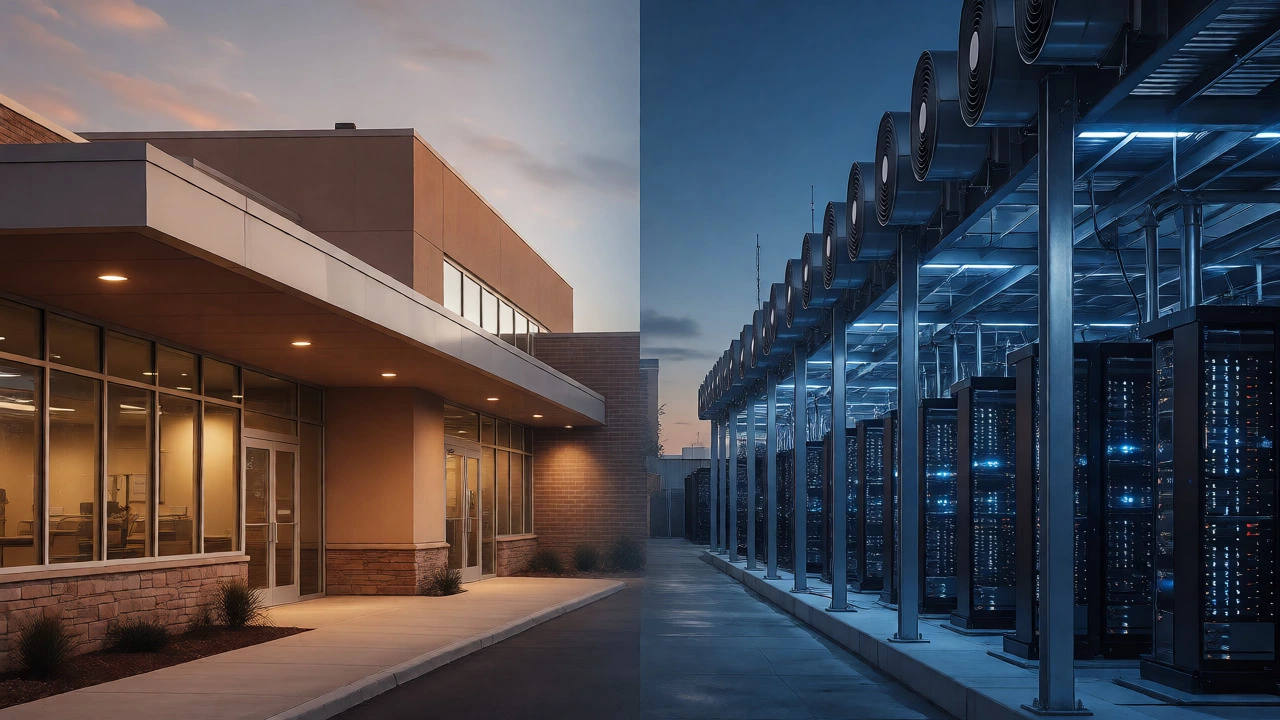
With the explosion of AI and cloud computing, data centers have emerged as a critical commercial asset class. They consume massive amounts of electricity and require robust cooling systems. In 2026, power availability has become the primary constraint on new developments, not land or zoning.
Investing in data centers usually involves partnering with experienced operators rather than direct ownership of the hardware. Returns are attractive, often exceeding traditional office yields, but the entry barrier is high. You need significant capital and technical expertise. Additionally, technology evolves rapidly. A facility optimized for current server densities might become obsolete within a decade if liquid cooling becomes standard. This makes data centers a high-growth, high-complexity play suitable for institutional investors or sophisticated individuals with access to specialist funds.
How to Choose: Matching Asset to Investor Profile
So, which one wins? It depends on your personal constraints. Let’s break it down by investor type.
| Asset Class | Typical Yield Range | Management Intensity | Growth Potential | Key Risk Factor |
|---|---|---|---|---|
| Industrial/Logistics | 4.5% - 6.0% | Low | Moderate-High | Oversupply in secondary markets |
| Prime Office | 5.0% - 6.5% | Medium-High | Stable | Obsolescence of non-Green buildings |
| Retail | 6.0% - 8.5% | High | Volatile | Tenant insolvency |
| Healthcare | 5.5% - 7.0% | Medium | Steady | Regulatory changes |
| Data Centers | 6.5% - 9.0% | Very High (Technical) | High | Technology obsolescence |
If you want passive income and minimal headaches, industrial property remains the strongest contender. The leases are clean, the tenants are stable, and the buildings don’t require constant aesthetic updates. If you enjoy hands-on management and believe in the revival of city centers, prime office space offers upside through value-add renovations. For those seeking defensive plays against recession, healthcare assets provide consistent cash flow driven by demographics rather than consumer sentiment.
Consider your exit strategy too. Industrial properties tend to have deep buyer pools, making them easier to sell quickly. Niche assets like specialized healthcare facilities or data centers may take longer to find the right buyer, potentially locking up your capital for extended periods. Liquidity matters when you eventually need to realize gains.
Due Diligence Pitfalls to Avoid
No matter which asset class you choose, skipping thorough due diligence is where most amateur investors lose money. Here are three common traps:
- Ignoring Environmental Compliance: New regulations in the UK require commercial buildings to meet strict energy efficiency standards. Failing to assess a building’s EPC rating can lead to costly retrofitting bills shortly after purchase. Always hire a specialist to evaluate carbon footprint liabilities.
- Overlooking Lease Break Clauses: A five-year lease sounds secure until you realize the tenant has a break option at year two. Review every contract line-by-line. A tenant with a break clause effectively turns a long-term investment into a short-term bet.
- Underestimating Service Charges: In multi-tenant buildings, service charges cover maintenance, insurance, and cleaning. If these are poorly managed, disputes arise, and collections drop. Audit the previous two years of service charge accounts to ensure the landlord has been competent.
Also, verify the local planning authority’s future development plans. A new bypass could ruin the quiet charm of a boutique retail spot, while a new train station could skyrocket the value of an overlooked office block. Location dynamics change; stay informed on municipal infrastructure projects.
Final Thoughts on Portfolio Construction
Diversification is your best defense. Don’t put all your capital into one asset class. Perhaps start with a core holding in industrial property for stability, then allocate a portion to opportunistic office or retail deals where you can add value. Monitor global trends-interest rates, inflation, and labor shortages-but remember that local micro-markets often behave differently than national averages.
The "best" asset class isn’t static. It shifts with economic conditions and technological advancements. In 2026, adaptability is key. Whether you choose bricks-and-mortar warehouses or digital data hubs, success comes from understanding the underlying demand drivers and managing risks proactively. Start small, learn the ropes, and scale as your confidence grows.
Is industrial real estate still a good investment in 2026?
Yes, industrial real estate remains one of the most resilient sectors. While initial yields have compressed due to high demand, the fundamental driver-e-commerce and supply chain resilience-remains strong. Focus on prime locations with good transport links to avoid oversupply issues in secondary markets.
What is the biggest risk when buying office space?
The biggest risk is functional obsolescence. Buildings that fail to meet modern environmental standards (such as low EPC ratings) or lack hybrid-work amenities face rising vacancy rates and falling values. Retrofitting these costs can significantly erode returns.
Which commercial asset class offers the highest yields?
Retail and data centers typically offer the highest headline yields, often ranging from 6% to 9%. However, these come with higher risks: retail faces tenant insolvency challenges, while data centers require significant technical expertise and capital expenditure.
Do I need a lot of money to start investing in commercial real estate?
Traditional direct ownership requires substantial capital, often starting around £500,000 for a small unit. However, you can gain exposure through REITs (Real Estate Investment Trusts) or property funds with much lower entry points, allowing diversification across multiple asset classes without managing physical properties.
How does inflation affect commercial property investments?
Commercial leases often include rent reviews linked to inflation (CPI/RPI), providing a hedge against rising prices. However, high inflation also increases construction and financing costs, which can suppress new supply and potentially drive up existing property values if demand remains steady.