Property Valuation: How to Know What Your Home Is Really Worth
When you think about property valuation, the process of estimating the monetary value of a real estate asset based on market conditions, location, and physical attributes. Also known as home appraisal, it’s not just a number on a sheet—it’s the foundation for selling, buying, or investing in real estate. Too many people assume their home is worth what they paid for it, or what their neighbor’s house sold for. But property valuation depends on far more than that.
What actually moves the needle? Location is the biggest factor—properties near good schools, transit, or low-crime areas hold value better. Condition matters too: a freshly painted kitchen or updated plumbing can add thousands, while a leaky roof or outdated wiring can drag it down. Then there’s the market itself. In 2025, cities like Bangalore and Pune saw rapid price growth because demand outpaced supply. Meanwhile, smaller towns with little development saw flat or falling values. You can’t guess this—you need data.
There are three main ways to get a real property appraisal, a professional assessment of a property’s market value, usually done by a licensed appraiser. The first is a comparative market analysis (CMA), where agents look at similar homes that sold nearby in the last 90 days. The second is a formal appraisal, often required by banks before lending—it’s detailed, expensive, and highly accurate. The third is online tools, like Zillow’s Zestimate, which are fast but often off by 10–20% because they don’t see the inside of your home. For serious decisions, skip the apps and talk to someone who’s walked through your exact neighborhood.
Don’t forget taxes and zoning. If your area is being rezoned for mixed-use development, your single-family home could suddenly be worth more as a potential duplex. Property taxes also play a role—if your tax bill jumped 30% last year, that’s a red flag for buyers. And if your property sits on flood-prone land, even a beautiful house might struggle to find buyers unless you’re offering a deep discount.
Investors look at cash flow and ROI, not just square footage. A two-bedroom apartment in Hyderabad might sell for ₹50 lakh, but if it rents for ₹20,000 a month, its value isn’t just in the sale price—it’s in the income it generates. That’s why market value, the price a property would sell for in a competitive, open market under normal conditions. is different from what you’d pay if you were just buying a place to live. For sellers, it’s about timing. For buyers, it’s about spotting undervalued opportunities.
What you’ll find in the posts below are real examples of how people actually figure this out—whether it’s understanding Section 8 voucher limits that affect rental demand, knowing how many tenants can legally live in a Virginia home, or learning why land in Utah is so expensive. These aren’t abstract ideas. They’re the hidden factors that change property value every day. You don’t need a degree in real estate to make smart decisions. You just need to know what to look for.
How Much Money Do You Get for a Commercial Property Sale?

Wondering how much you'll actually pocket from a commercial property sale? Learn how NOI, Cap Rates, and lease terms determine your final payout.
- April 24 2026
- Archer Hollings
- 0 Comments
How to Sell Commercial Property: A Step-by-Step Guide for 2026

Learn how to sell commercial property effectively. This guide covers valuation, preparation, marketing, and closing steps to maximize your sale price and avoid common pitfalls in 2026.
- February 6 2026
- Archer Hollings
- 0 Comments
What Is the 3 Rule Money in Commercial Property Sales?

The 3 rule money is a simple way to judge if a commercial property is priced fairly: buy only if the price is three times or less than the annual rent. It's a proven filter for investors in the UK.
- December 12 2025
- Archer Hollings
- 0 Comments
Which home estimate is most accurate for buying property in 2025?
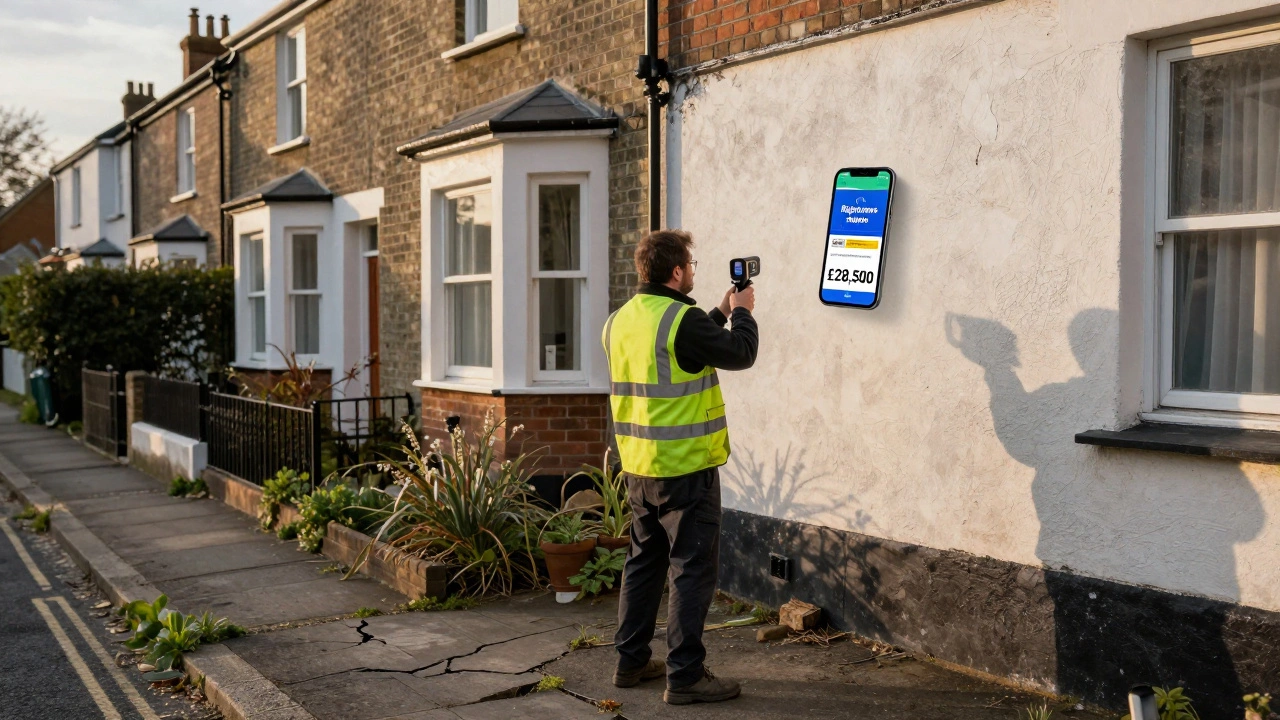
Online home estimates like Rightmove and Zoopla often miss key details that affect property value. Learn why a RICS surveyor’s valuation is the most accurate way to buy a home in 2025-and how to avoid overpaying.
- December 5 2025
- Archer Hollings
- 0 Comments
How Math Is Used in Real Estate by Agents Every Day
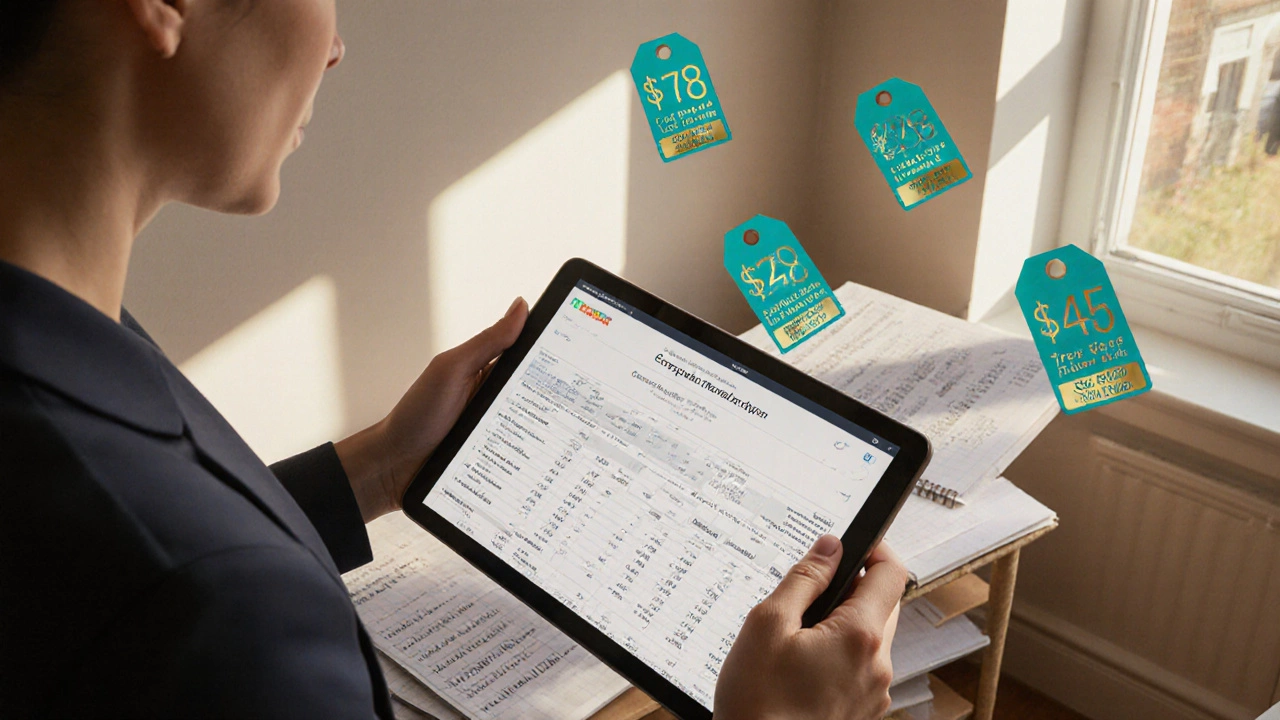
Real estate agents use math daily to price homes, calculate commissions, assess mortgages, and evaluate investments. Learn how basic calculations impact every sale and why numbers matter more than charm.
- October 30 2025
- Archer Hollings
- 0 Comments
Understanding Good Yield in Commercial Property

A good yield in commercial property is crucial for investors eyeing profits and sustainability. This article explores how to evaluate yields, factors affecting returns, and market trends. Discover tips for maximizing your investments and gain insights into what constitutes a lucrative opportunity. Whether you're a seasoned investor or a newcomer, understanding yields can shape your investment strategy.
- April 15 2025
- Archer Hollings
- 0 Comments