Off-Grid Living: What It Really Takes to Live Outside the Grid
When you hear off-grid living, a lifestyle where people disconnect from public utilities like electricity, water, and sewage systems and rely on their own resources. Also known as self-sufficient living, it’s not just about moving to the woods—it’s about building systems that keep you alive without relying on city infrastructure. People think it’s all about solar panels and rainwater collectors, but the real challenge is consistency. What happens when the sun doesn’t shine for a week? Or your well runs dry in summer? Most who try it underestimate how much maintenance, planning, and problem-solving it demands.
off-grid home, a residential structure designed to operate without connection to municipal services, often featuring renewable energy, composting toilets, and independent water sources. It’s not just a house—it’s a system. A true off-grid home needs power, water, waste management, food production, and backup plans. Solar panels are common, but batteries are the real bottleneck. A 10kW system sounds great until you realize you need 400Ah of lithium batteries to get through a cloudy stretch. And those batteries? They cost more than the panels. Water isn’t just about collecting rain—it’s about filtering, storing, and protecting it from contamination. Many off-gridders end up drilling wells or hauling water, which adds cost and labor most don’t plan for.
solar power for home, a system that converts sunlight into electricity using photovoltaic panels and batteries to store energy for use when the sun isn’t available. It’s the backbone of most off-grid setups, but it’s not magic. You can’t just buy a kit off Amazon and call it done. System sizing matters. A 5kW system might power lights and a fridge, but add a washing machine or electric heater, and you’re over capacity. And in winter? Sun hours drop. You need extra capacity—or a backup generator. Most people skip the generator because they think solar is enough. Then they’re stuck in the dark.
water independence, the ability to source, store, filter, and manage your own water supply without relying on municipal lines or shared wells. This is where many off-grid dreams crash. Rainwater harvesting sounds simple until you realize you need 10,000 gallons of storage to last through a dry season. And filtering it? You need multi-stage systems—sediment, carbon, UV. One mistake, and you’re sick. Groundwater is better, but drilling a well costs $10,000+ and isn’t guaranteed to work. In some places, you need permits just to collect rainwater.
Off-grid living isn’t a trend. It’s a daily job. You’re the utility company, the plumber, the electrician, and the farmer. It’s not for everyone, but for those who do it right, it’s freedom. You control your power, your water, your food. No bills. No interruptions. But it doesn’t happen by accident. It happens because someone planned for the worst case, not the best.
Below, you’ll find real guides on layouts, costs, legal traps, and how to actually make it work—no fluff, no hype. Just what people learned the hard way.
Best US States for Living Off the Land
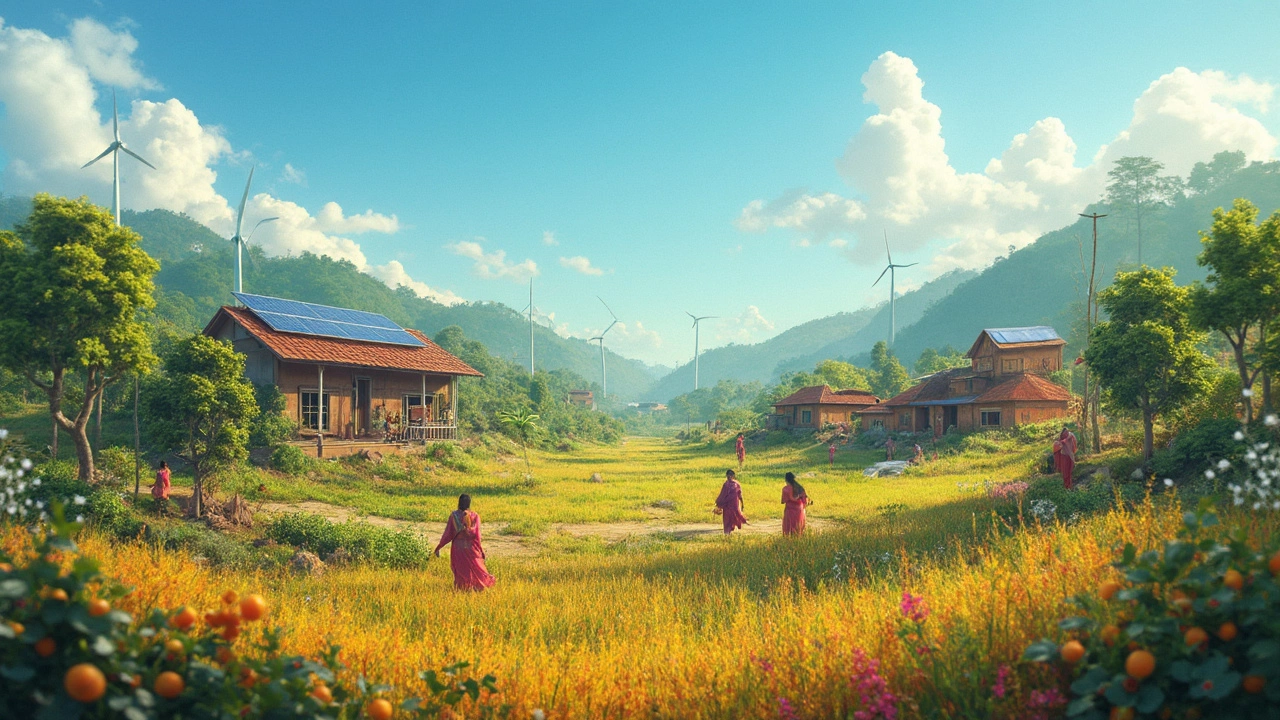
Thinking about embracing a self-sufficient lifestyle? Discover which U.S. states offer the most resources, favorable climate, and affordable land for living off the land. We'll cover essential factors like climate, property costs, and community support to help you make an informed decision.
- February 24 2025
- Archer Hollings
- 0 Comments