Acre Size: What You Need to Know About Land Measurements for Homes and Investments
When you hear acre size, a standard unit of land area equal to 43,560 square feet or about 90% of a football field. Also known as land measurement, it’s the go-to way real estate professionals and buyers describe plot sizes in India and the U.S. But knowing the number isn’t enough—you need to understand what it actually means for your home, investment, or land purchase.
Lot size, the actual area of land assigned to a property. Also known as property size, it’s what determines whether you get a backyard big enough for kids to play, space for a garden, or enough room to build a villa without crowding neighbors. A 0.25-acre lot might sound small, but in cities like Bangalore or Pune, it’s enough for a 2BHK home with a small garden. Meanwhile, a full acre in rural Tamil Nadu or Rajasthan could mean a standalone farmhouse with room to spare. The same acre size means very different things depending on location, zoning rules, and local demand.
People often confuse acre size with villa size, the built-up area of a home, not the land it sits on. Also known as floor space, it’s measured in square feet, not acres. A 5,000 sq ft villa on a half-acre plot is very different from a 5,000 sq ft villa on a 2-acre plot. One feels crowded. The other feels private. That’s why smart buyers check both numbers—what’s built and what’s land.
Land isn’t just about square footage—it’s about shape, access, slope, and water rights. In places like Utah or Virginia, land prices jump because of limited developable space, water rules, or high demand. In India, a 1-acre plot in Gurgaon might cost 10 times more than one in Madhya Pradesh, not because the land is better, but because of infrastructure, proximity to cities, and future development plans. An acre is an acre—but its value? That’s another story.
And don’t forget: property size affects your taxes, your loan eligibility, and even your resale value. Banks often use land area to calculate loan-to-value ratios. Local governments use it to set property tax rates. Buyers compare lot sizes like they compare car engines—bigger isn’t always better, but it’s always a factor.
What you’ll find below are real examples from buyers, renters, and investors who’ve dealt with these numbers firsthand. From how a 550 sq ft apartment stacks up against a full-acre plot, to why a villa’s true value isn’t just in its rooms but in the land it sits on—you’ll see how acre size shapes decisions, budgets, and lifestyles. No fluff. Just facts that help you know what you’re really buying.
How Many NFL Football Fields Fit in an Acre?
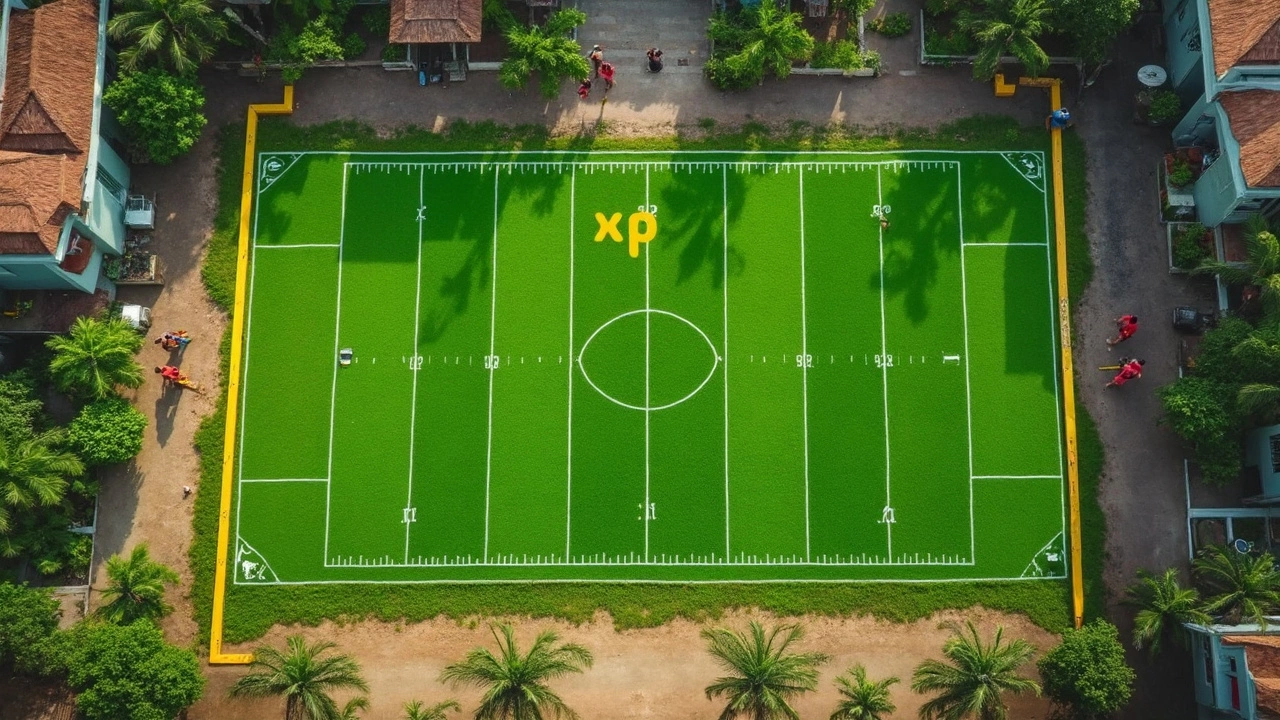
Wondering how big an acre really is? Here’s a quick breakdown using something we all recognize—a football field. This guide explains how many NFL fields could fit in an acre, complete with dimensions and practical land-buying tips. If you’re shopping for property, the simple comparisons here are a game-changer. You’ll see land size in a way that actually makes sense.
- May 6 2025
- Archer Hollings
- 0 Comments